
“Make the healthy choice the easier choice” Alumni*ae Talk: Dr Carola Reimann on public health, prevention and social justice
How can a society stay healthy? What role do science, politics and the healthcare system play in this? On 16 June 2026, Dr Carola Reimann addressed these questions as part of the “Alumni*ae in the Spotlight” lecture series at Technische Universität Braunschweig. As Chair of the Executive Board of the AOK Federal Association, she explained why public health is much more than just the treatment of diseases and why health promotion and prevention are among the most important tasks of our society.
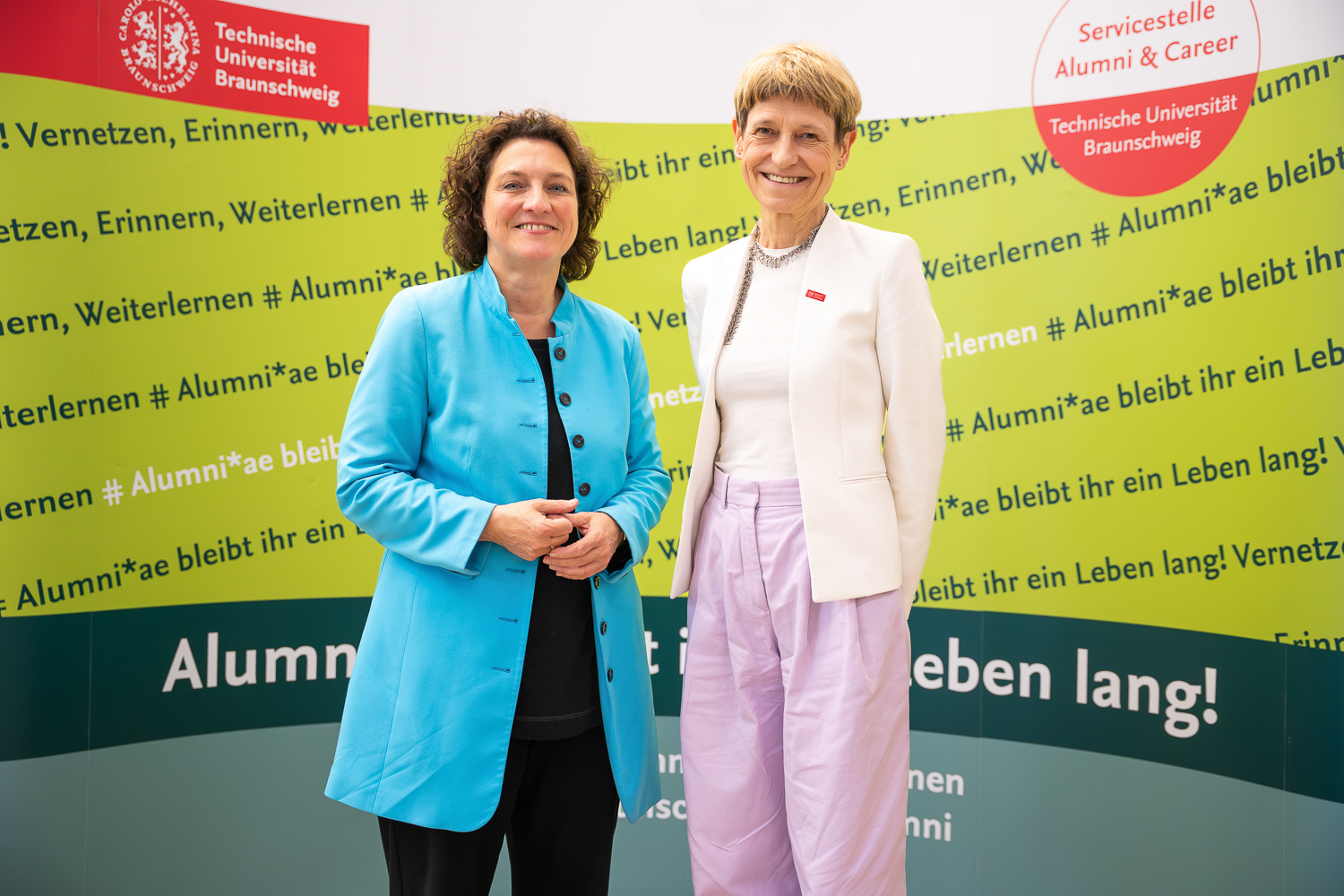
Dr Carola Reimann and TU President Prof. Angela Ittel. Photo credit: Ahmed Nassef/TU Braunschweig
Even before her lecture, Dr Carola Reimann gained insights into current health research at her alma mater. At the Braunschweig Centre for Systems Biology (BRICS), Professor Dieter Jahn and Professor Peter Jomo Walla gave her a tour of the laboratories and research areas. The former Lower Saxony Minister for Social Affairs, Health and Equality, who holds a PhD in biotechnology, was impressed by the combination of modern research infrastructure, close collaboration across different disciplines and socially relevant research. She noted that the collaborative, multi-perspective approach to health issues at TU Braunschweig sends an important signal for the future.
Health does not begin in the hospital
Reimann began her lecture with a critical assessment of the state of the German healthcare system. She noted that Germany has one of the most expensive healthcare systems in Europe, yet achieves comparatively low life expectancy figures. She explained that the main causes of this lie in preventable risk factors such as smoking, an unhealthy diet, lack of exercise and alcohol consumption. At the same time, Reimann noted, alcohol and tobacco products are subject to comparatively low taxation in Germany and are ubiquitous in everyday life and in advertising.
Health does not originate solely in doctors’ surgeries or hospitals, but in people’s everyday lives – in schools, at work, in their neighbourhoods and within the social conditions of their lives. Anyone wishing to improve health outcomes must therefore think beyond the boundaries of individual specialist disciplines. Public health means shaping the social framework in such a way that healthy behaviour becomes easier. Or, as Reimann put it: “Make the healthy choice the easier choice.”
Drawing on her own career, she traced a path from her time at Technische Universität Braunschweig, through her many years of work in health and social policy, to her current role at the helm of the AOK Federal Association. Her experiences in academia, politics, and professional practice have demonstrated the close interlinking of these areas and the importance of scientifically sound decision-making for the further development of the healthcare system.
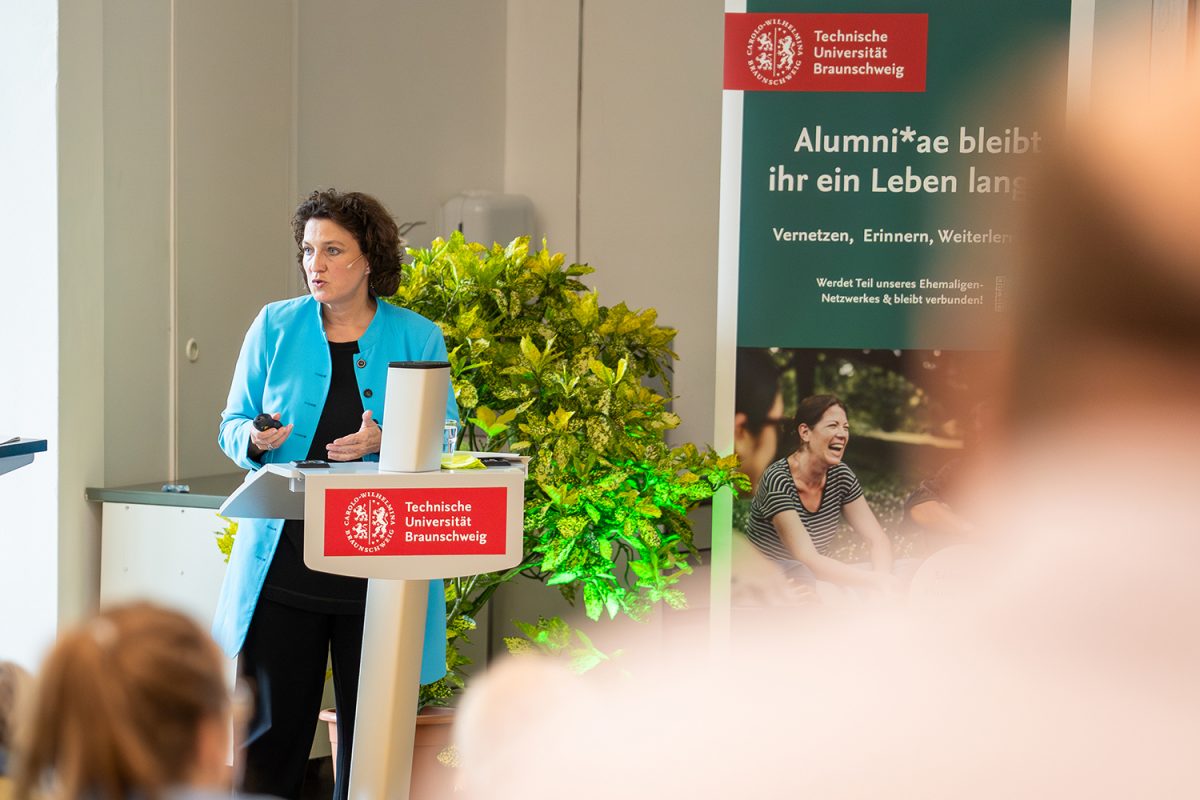
Dr Carola Reimann, Chair of the Executive Board of the AOK Federal Association. Photo credit: Ahmed Nassef/TU Braunschweig
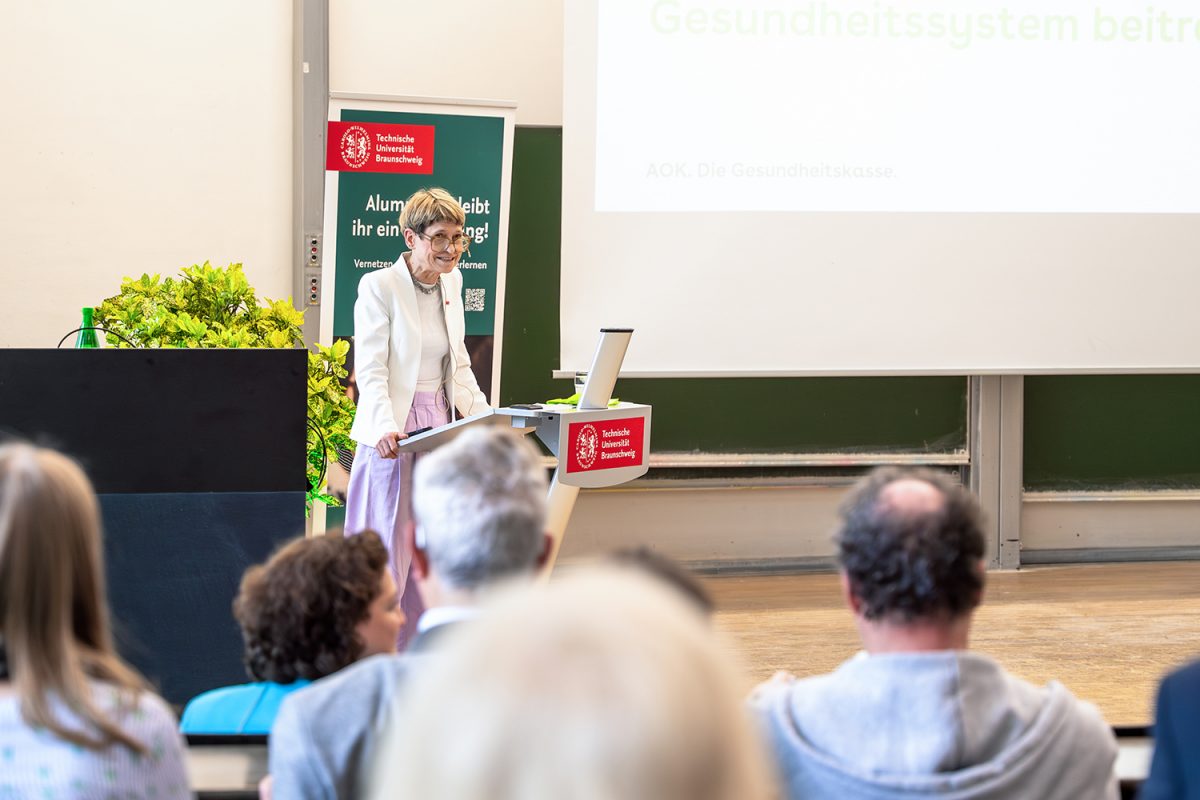
TU President Prof. Angela Ittel welcomed guests to the Alumni*ae Talk. Photo credit: Ahmed Nassef/TU Braunschweig
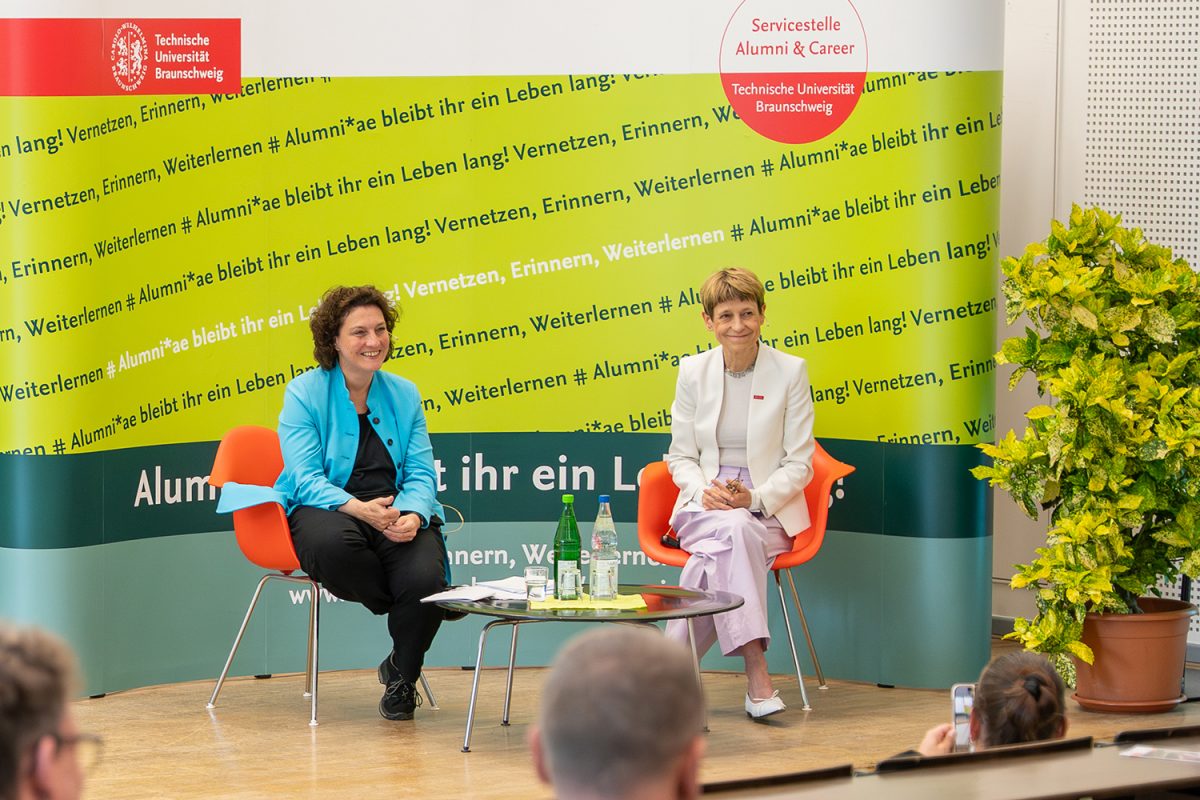
Dr Carola Reimann’s lecture was followed by a panel discussion. Photo credit: Ahmed Nassef/TU Braunschweig
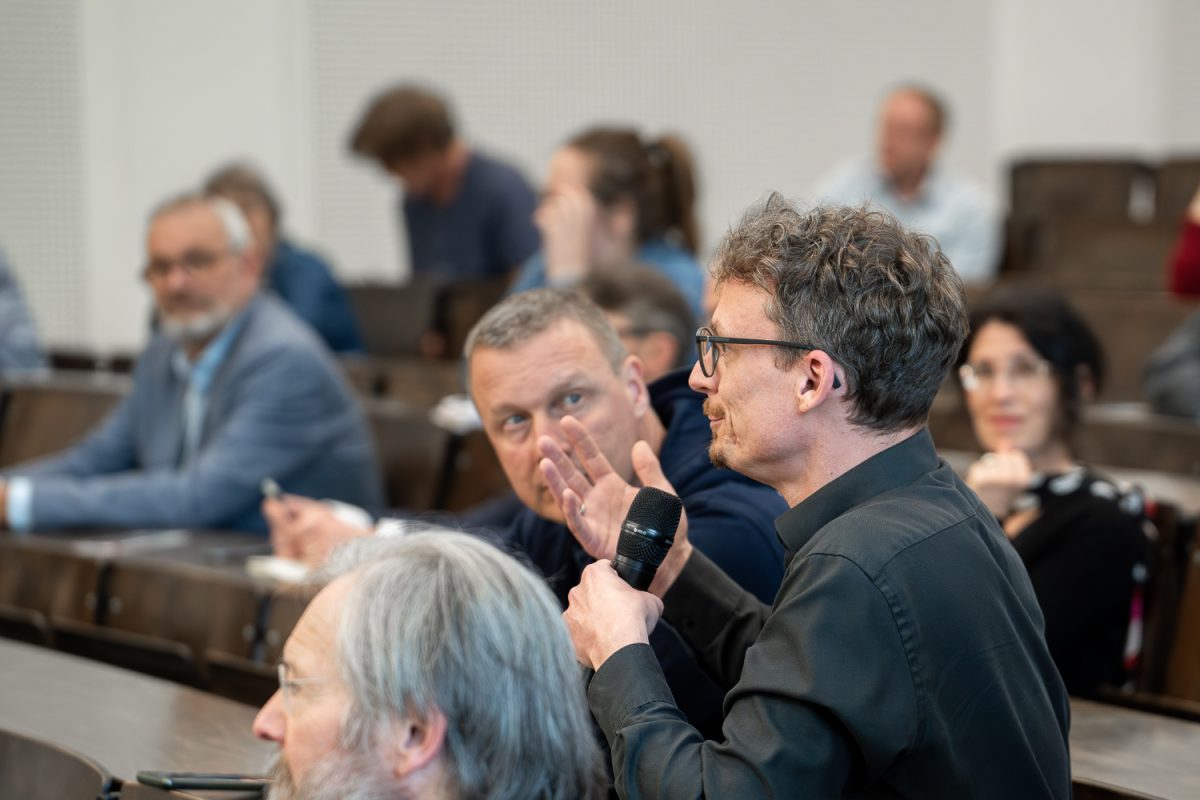
During the discussion that followed, it became clear just how great the interest is in issues relating to healthcare, equality of opportunity and prevention. Photo credit: Ahmed Nassef/TU Braunschweig
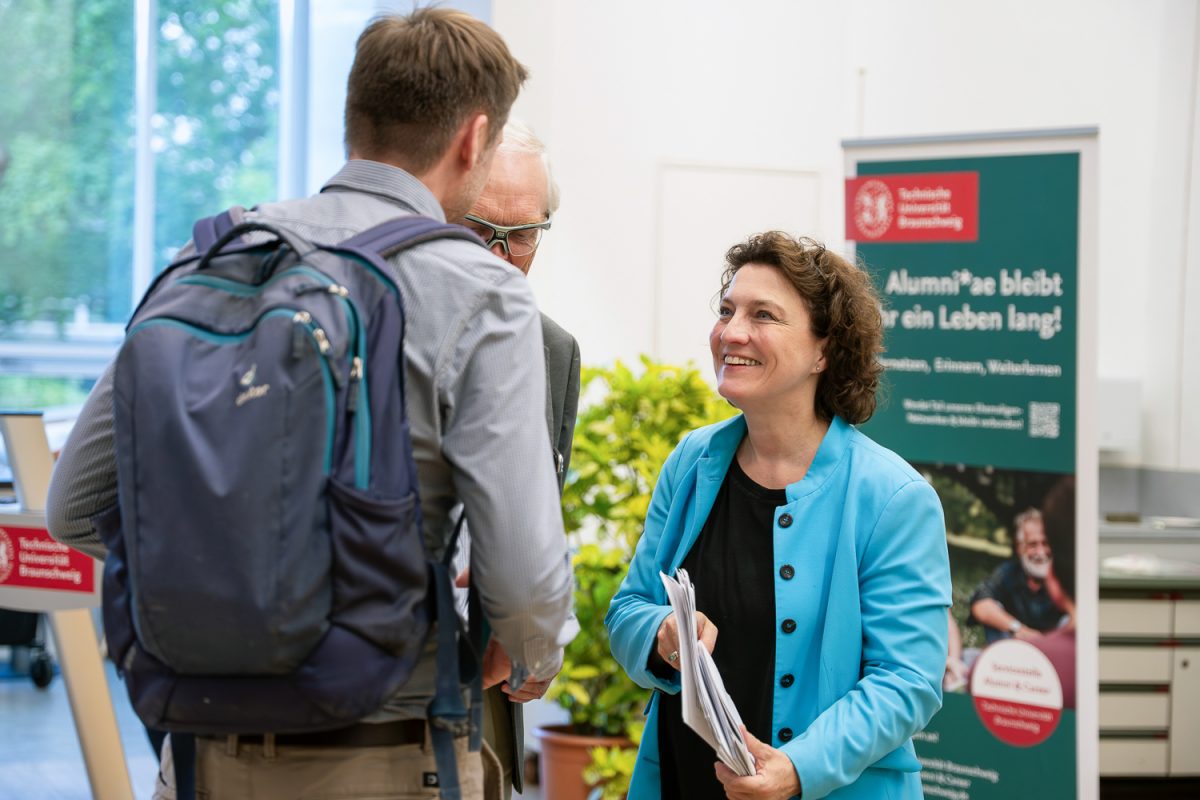
After the event, there was time for further questions. Photo credit: Ahmed Nassef/TU Braunschweig
Prevention as a societal responsibility
A key theme of the evening was the importance of prevention and health literacy. Reimann advocated placing a stronger focus on disease prevention and curbing harmful consumption patterns more effectively.In her view, this should include policy measures such as higher taxes on alcohol, tobacco, and sugar-rich products, as well as stricter regulations and higher age limits for particularly harmful consumer goods. She said that prevention is not an additional task, but an investment in the future of the solidarity-based healthcare system.
During the subsequent discussion, the significant interest in issues relating to healthcare, equality of opportunity and prevention was evident. Participants addressed the current challenges facing the healthcare system and the role of universities in driving social transformation.
Text: Melanie Schaller, Alumni & Career Service Centre