
Mail from … Mumbai Computer science student Caroline Krebs reports from India
General Information
This is where I currently live:
Mumbai, India.
Here’s what I’m doing in Mumbai:
I’m spending a semester abroad at the Indian Institute of Technology Bombay (IITB). I’m taking three computer science courses here, as well as a design course called “Pottery for Beginners,” where we’re learning to use a potter’s wheel. I also attend a Hindi language class once a week, where I’m learning my first words and the alphabet.
My stay will last a total of:
It will last five months and is part of an exchange program organized by TU Braunschweig.
Here’s why I decided to study abroad:
I deliberately wanted to experience an environment outside the “Western comfort zone.” India offers a completely different cultural perspective, and at the same time, the widespread use of English makes it much easier to settle in and communicate with locals.
Local life
This is where I live in Mumbai:
I live on campus – in a single room in a newly built dormitory. The dorms are separated by gender. However, we share a cafeteria with two men’s dorms. All meals are served there, along with an afternoon snack.
In general, the campus is laid out like a small town. In addition to the students, professors and other staff members also live on campus. In addition to the dining halls, there are several cafeterias, a restaurant, and a number of small shops. The biodiversity within the fenced-in campus grounds is particularly impressive. There are stray dogs and cats here, and a few times I’ve even spotted monkeys and parrots.
The range of recreational activities is also enormous: I took the opportunity to try out activities that were new to me, such as cricket, Bollywood dancing, and morning yoga. I also go swimming or running regularly at the campus pool. In addition, there are numerous clubs and inter-hostel competitions that make campus life very lively. At the end of the year, there are also two festivals, “Mood Indigo” and “Techfest.”
What distinguishes studying at IIT Bombay from studying in Germany?
At IIT, attendance is mandatory for all my courses. There are quizzes throughout the semester, a midterm exam, and a final exam. As at TU Braunschweig, there are assignments throughout the semester—but here, they count toward the final grade. Another difference is that grades are determined not only by absolute performance (such as the number of points earned), but also by relative performance (such as one’s position in the ranking of participants), so that one’s own grade also depends on how well the others perform. Overall, IIT is considered very demanding and is extremely selective.
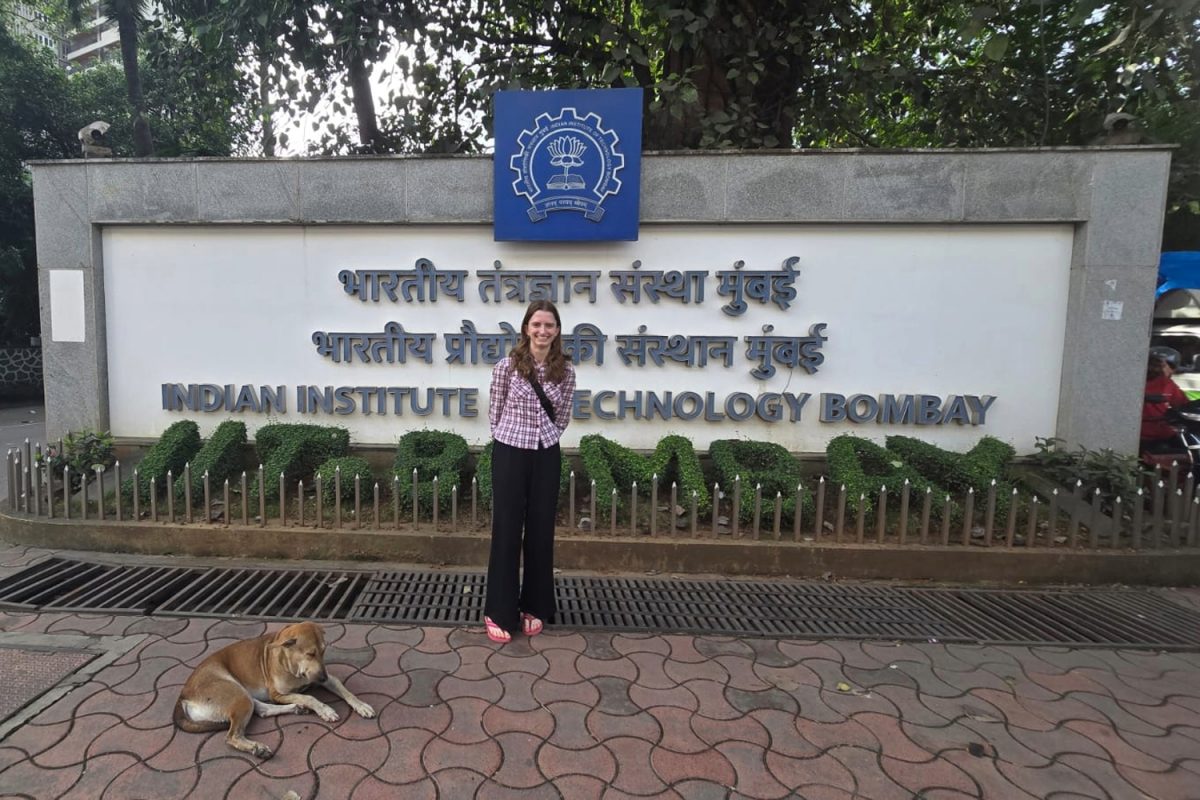
Here you can see the Main Gate, one of the three entrances to the campus. To enter the campus, I have to show my student ID. Picture credits: Caroline Krebs/TU Braunschweig
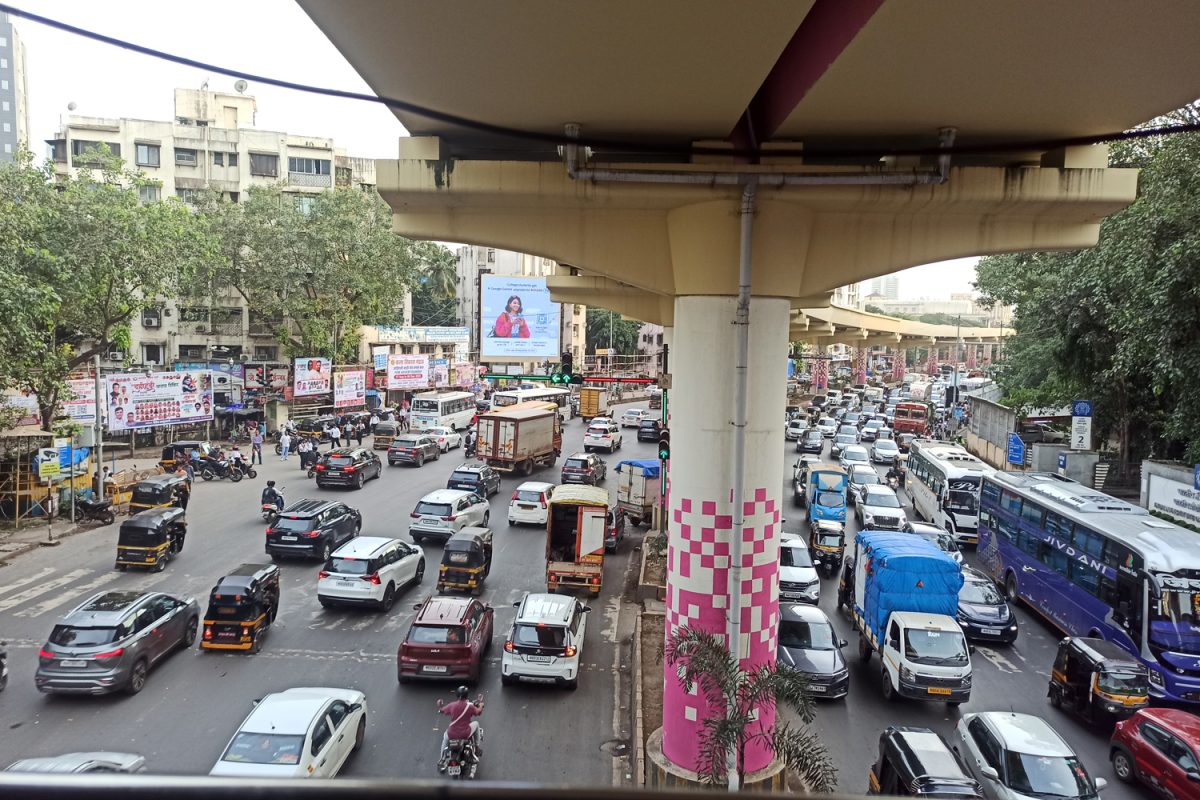
The street in front of the Main Gate, photographed from the pedestrian bridge. Most of the time, however, people don't use the bridge; instead, they cross the street directly when the traffic lights are red. Picture credits: Caroline Krebs/TU
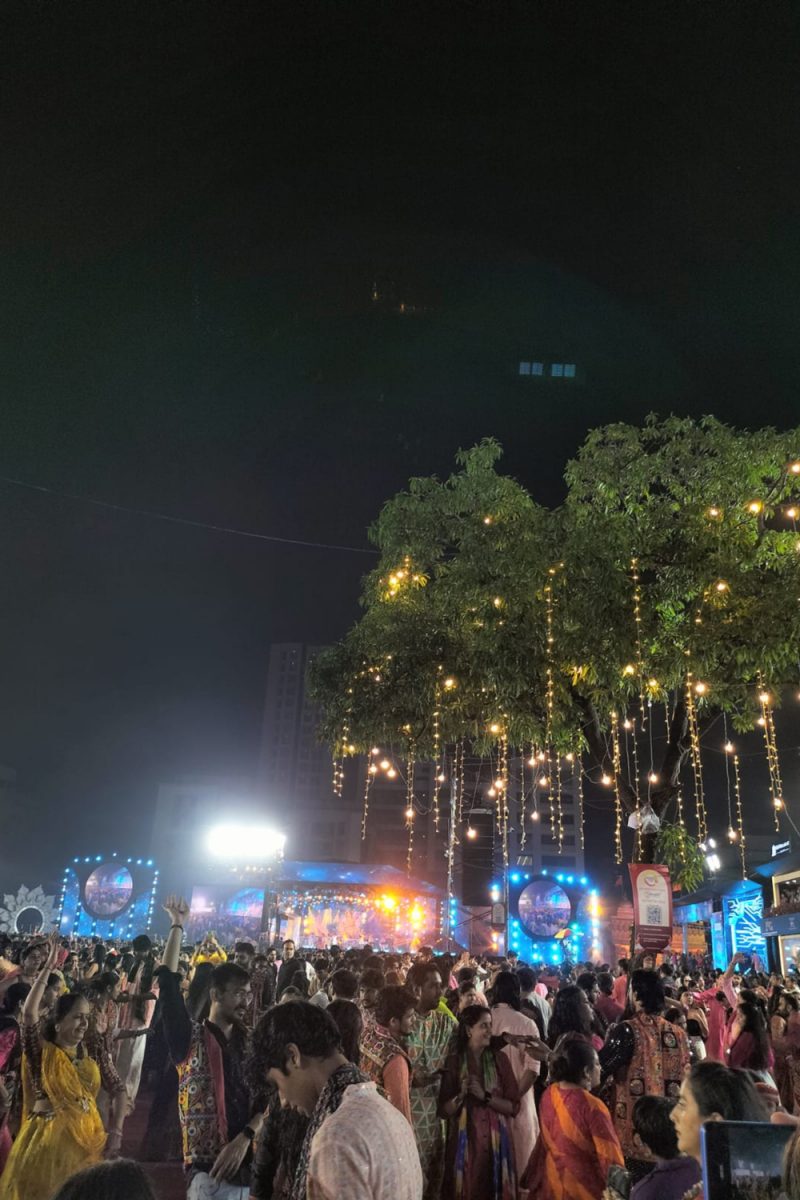
I had already experienced “Garba” on a smaller scale on campus, where there was also a performance at the beginning. Other students took me to this Garba Night so I could experience the festival off-campus as well. Together, we took the local trains to another part of the city. Garba is a traditional circle dance that takes place during the Hindu Navratri festival, which is celebrated over nine nights. Picture credits: Caroline Krebs/TU Braunschweig
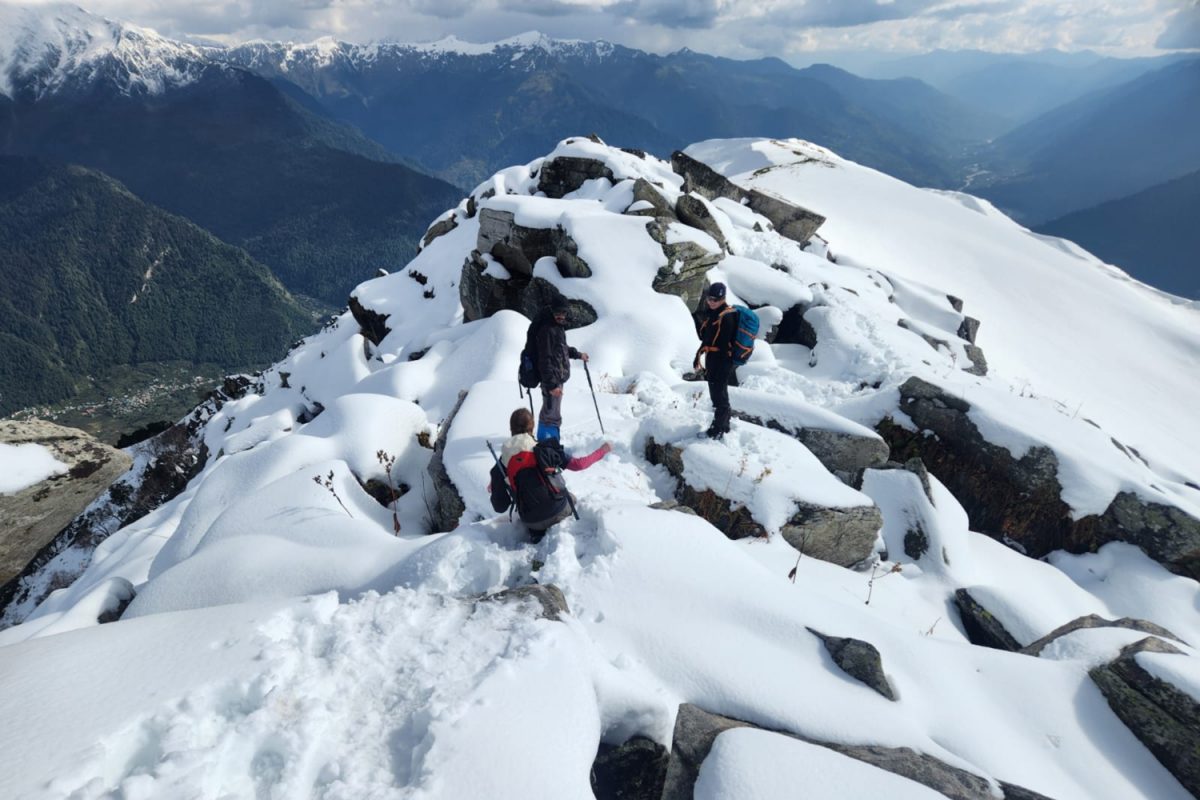
Here I was hiking in Himachal Pradesh with my sister, who was visiting me. The view of the Himalayas is truly beautiful. Picture credits: Caroline Krebs/TU Braunschweig
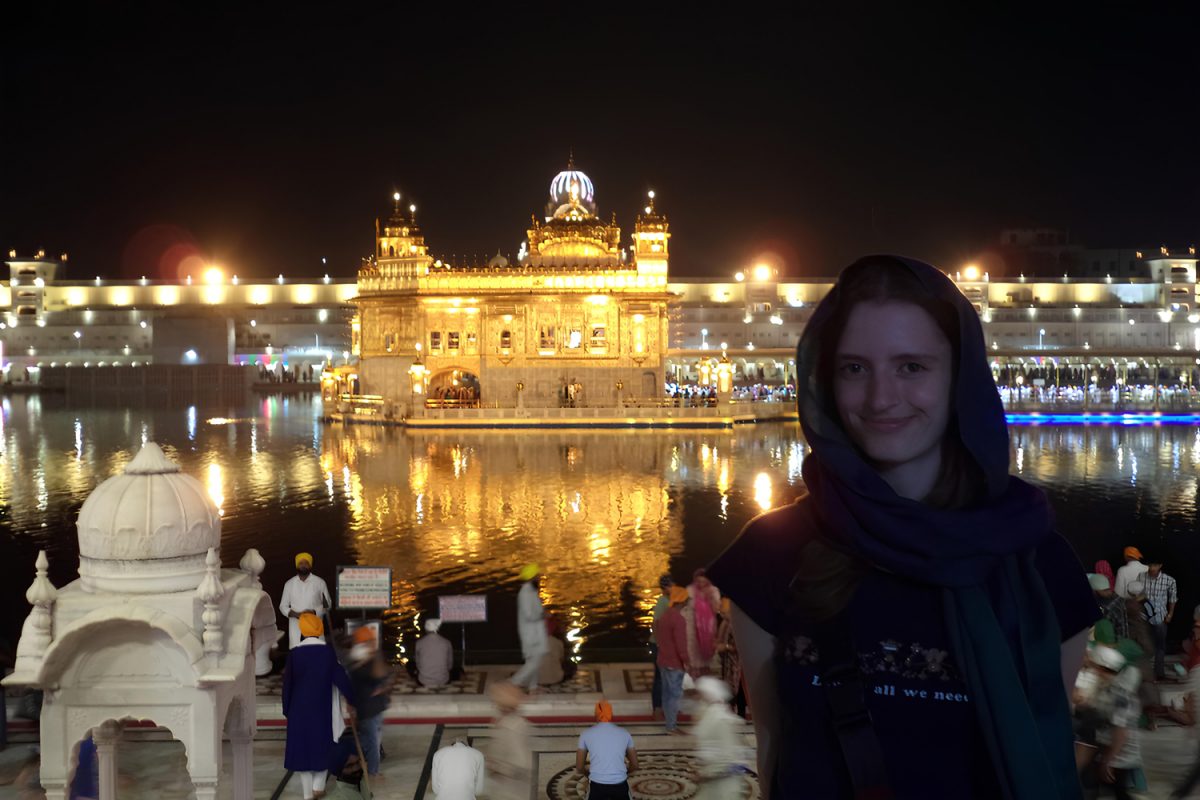
I traveled to Amritsar with other exchange students. The Golden Temple in Amritsar is one of the most important religious sites in Sikhism. Picture credits: Caroline Krebs/TU Braunschweig
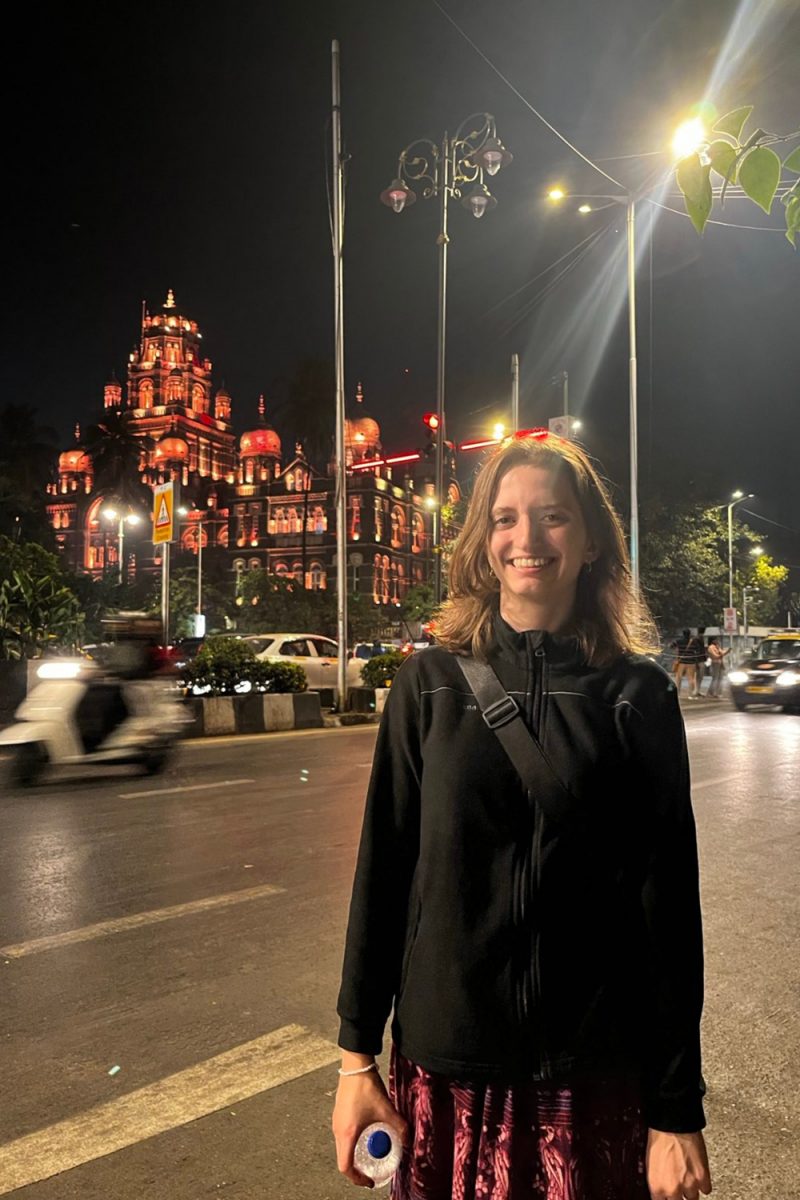
Here you can see me in front of Chhatrapati Shivaji Maharaj Terminus in South Mumbai at night. It is one of the largest train stations in the world. Picture credits: Caroline Krebs/TU Braunschweig
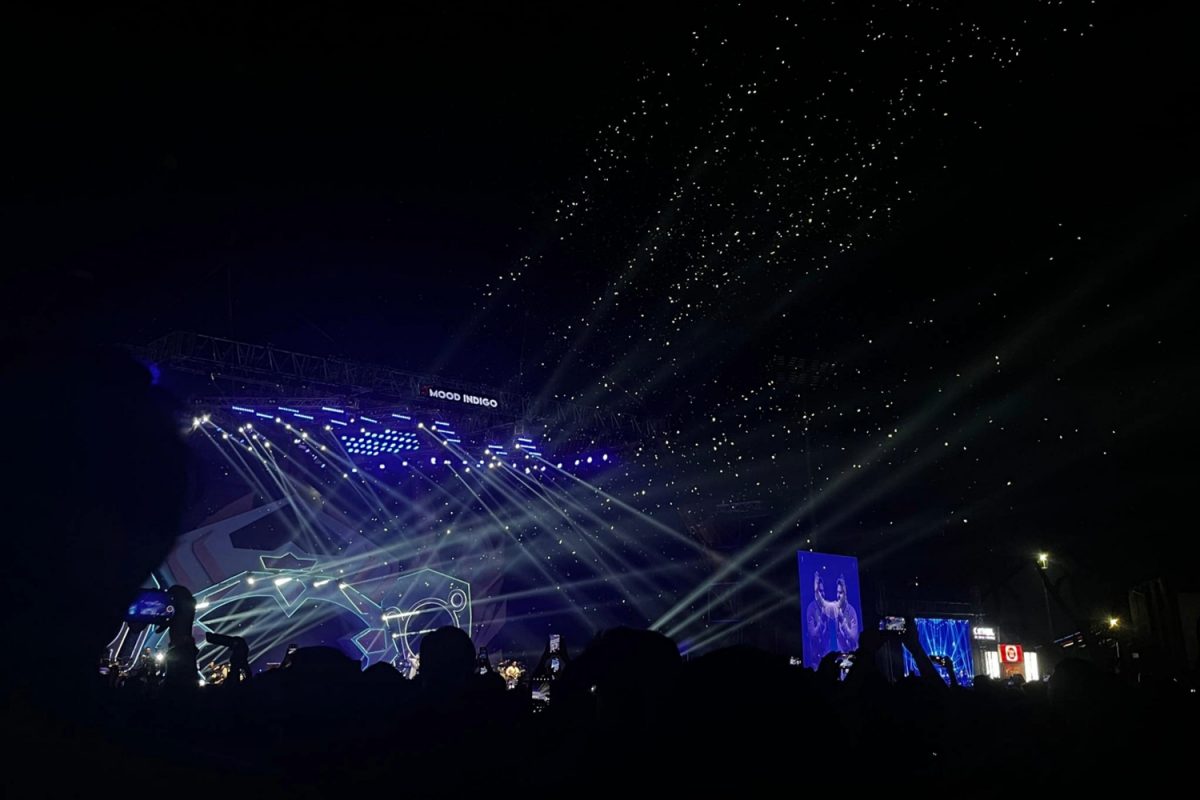
At the end of the year, “Mood Indigo” - one of India’s largest student cultural festivals - takes place on campus, featuring concerts, competitions, and numerous events. Picture credits: Caroline Krebs/TU Braunschweig
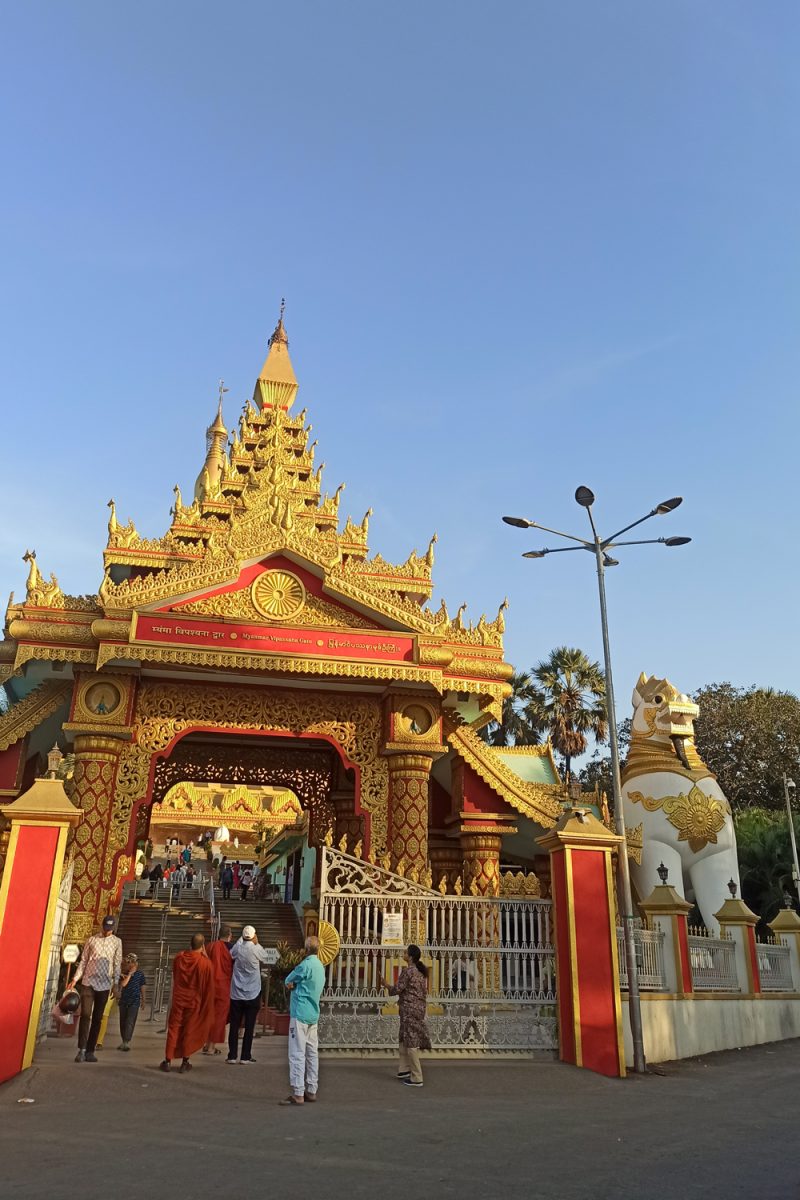
Entrance to the Global Vipassana Pagoda. It can accommodate up to 8,000 meditators. Picture credits: Caroline Krebs/TU Braunschweig
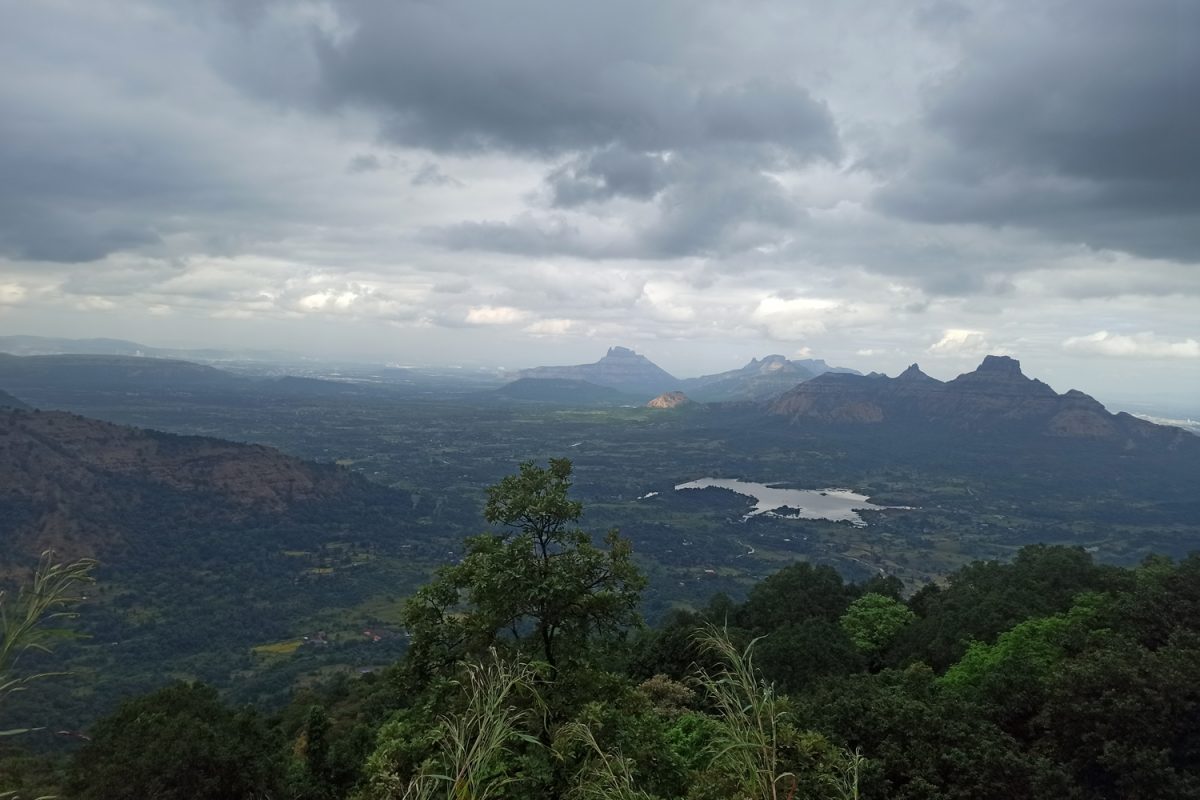
Trekking with the Adventure Club. During the hike, we experienced drastic changes in the weather: first it was cool, then bright sunshine, followed by heavy rain, and then bright sunshine again. Picture credits: Caroline Krebs/TU Braunschweig
One thing that’s particularly typical of the country I’m staying in is:
It’s common here to eat with your hands. I got used to it after just a short while. Also, people don’t put the bottle to their lips when drinking.
The people in Mumbai are very friendly and helpful. Communication is often more direct and personal. It’s much more common here to call someone than to send a text message.
Here’s what I’ve learned in my first three days here:
Since I arrived in Mumbai at the end of July during the monsoon season, I quickly learned to always make sure I have my umbrella with me.
The biggest challenge I’ve faced so far during my stay:
Daily life is heavily digitized. A local cell phone number is required for many things, which is why we were helped right at the beginning to get a SIM card. Payments are also often made digitally, which is why it was necessary to open an Indian bank account.
Another challenge was booking train tickets: The website for creating an account was constantly down, so I couldn’t set up my own account and had to ask friends with existing accounts to help me out.
The funniest misunderstanding I’ve had due to language barriers:
I didn’t really have any language barriers, since it’s easy to communicate in English. What stands out more are differences in word usage: for example, tuk-tuks are called “cars” here. Other terms like “brinjal” (eggplant) or “hostel” (student dormitory) also differ from standard English.
Good to know
My insider tip for anyone traveling to Mumbai:
A trip to the Global Vipassana Pagoda in northwest Mumbai is well worth it. The pagoda is an impressive, peaceful place away from the hustle and bustle of city life and is one of the largest self-supporting stone domes in the world. It is closely associated with Vipassana meditation and was built to preserve and spread this tradition.
I also recommend taking a midnight bike tour through South Mumbai—preferably in a group. At night, the city is much quieter, the temperatures are more pleasant, and many familiar landmarks take on a completely different atmosphere in the dark.
You absolutely must try this traditional dish:
Everything is really delicious! It’s also very easy to eat vegetarian in India. Since I’m vegan, I always ask when I’m eating if the dish can be prepared without dairy products. That works out very well. I really enjoy eating dosa, samosas, and okra with roti. I definitely recommend fresh juices like mosambi and sugarcane.
What blunders should you avoid in Mumbai?
Although cars in Mumbai use meters (taximeters), drivers sometimes try to charge higher prices. It’s rarely worth arguing; it’s usually easier to just take another car or use Uber.
Here’s my advice for other students and researchers who want to study abroad:
Just do it! And if you have the time, travel as much as you can!