
Mail from … Riga Architecture student Martha Zimmermann shares her experiences of her stay in Riga.
General information
This is where I currently live:
In Riga, Latvia..
This is what I’m doing in Riga:
I’m spending my semester abroad at the Faculty of Architecture and Design at the Riga International School of Economics and Business Administration (RISEBA). I’m taking two lectures here, as well as a landscape architecture course and an interior design course. As part of the interior design course, we took part in a competition and presented our designs to the client at the end.
My stay will last a total of:
It lasts five months and is part of the Erasmus+ exchange programme at TU Braunschweig.
That’s why I decided to study abroad:
I didn’t just want to experience a new city over a long weekend; I wanted to get to know it with all its positives and negatives through a stay lasting several months.
Local life
This is where I live in Riga:
I live in the centre of Riga in a shared flat with two German medical students.
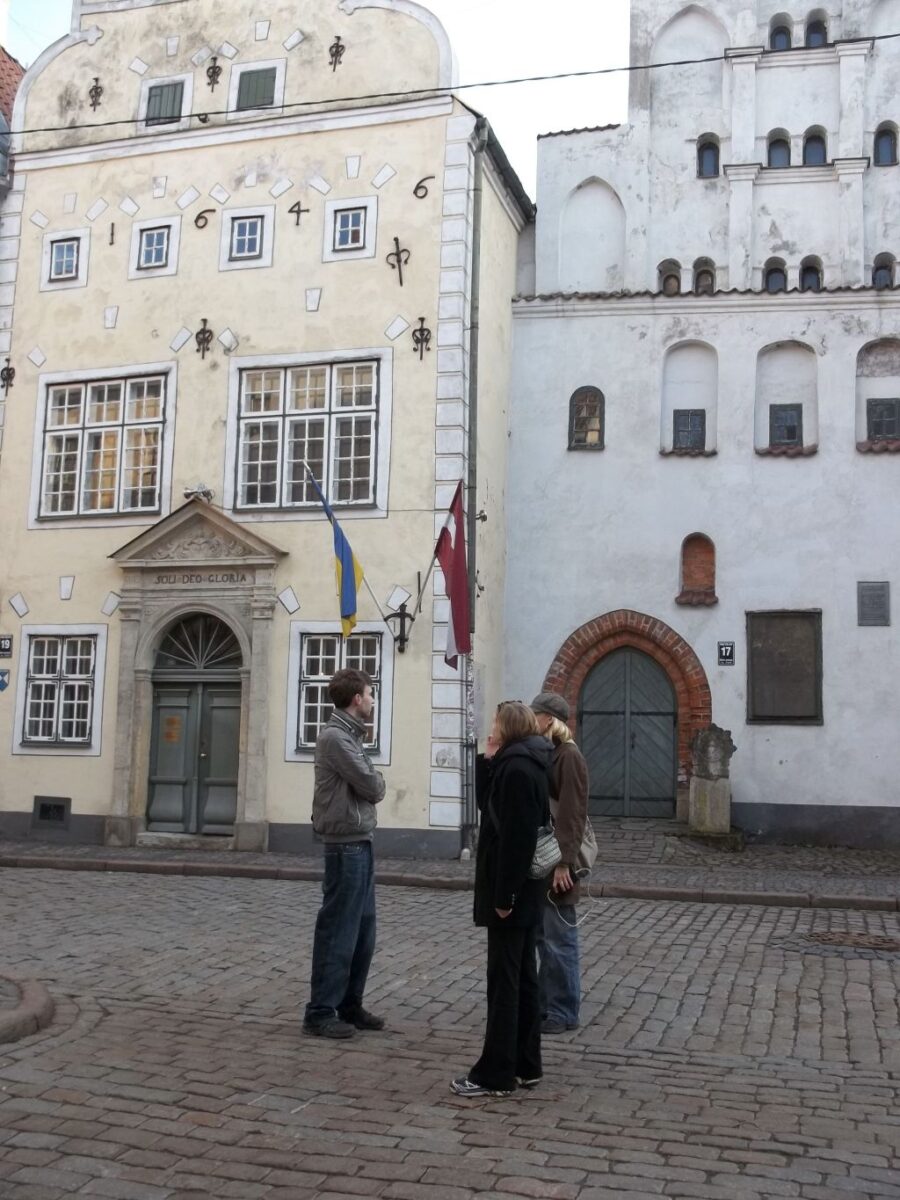
No guided tour of the city would be complete without a visit to the Three Brothers. They form the oldest ensemble of residential buildings in Riga, with some parts dating back to the 15th century. Picture Credit: Martha Zimmermann
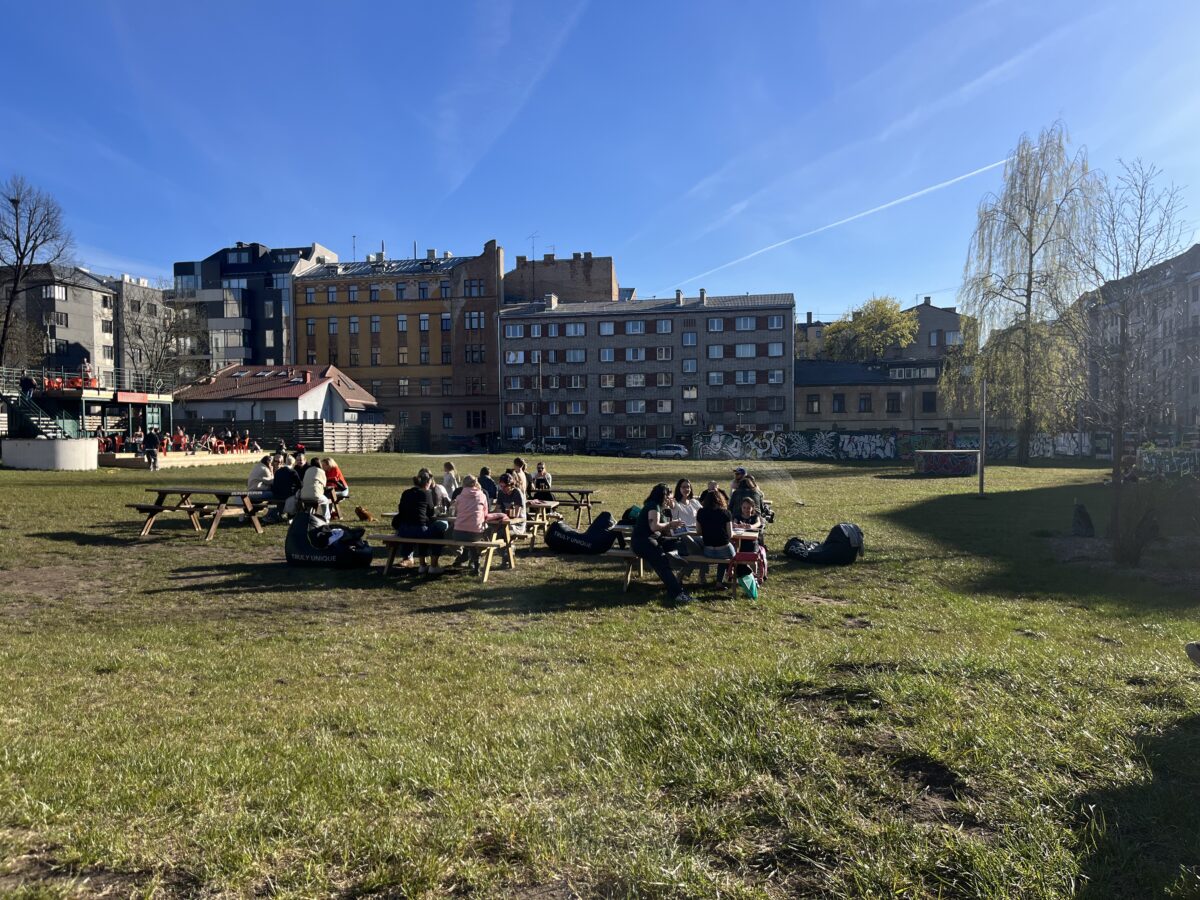
During my time in Riga, I really enjoyed spending time in the Kimmel Quarter. There was a lot going on there, including open-air events, live music and public viewing. Picture Credit: Martha Zimmermann/TU Braunschweig
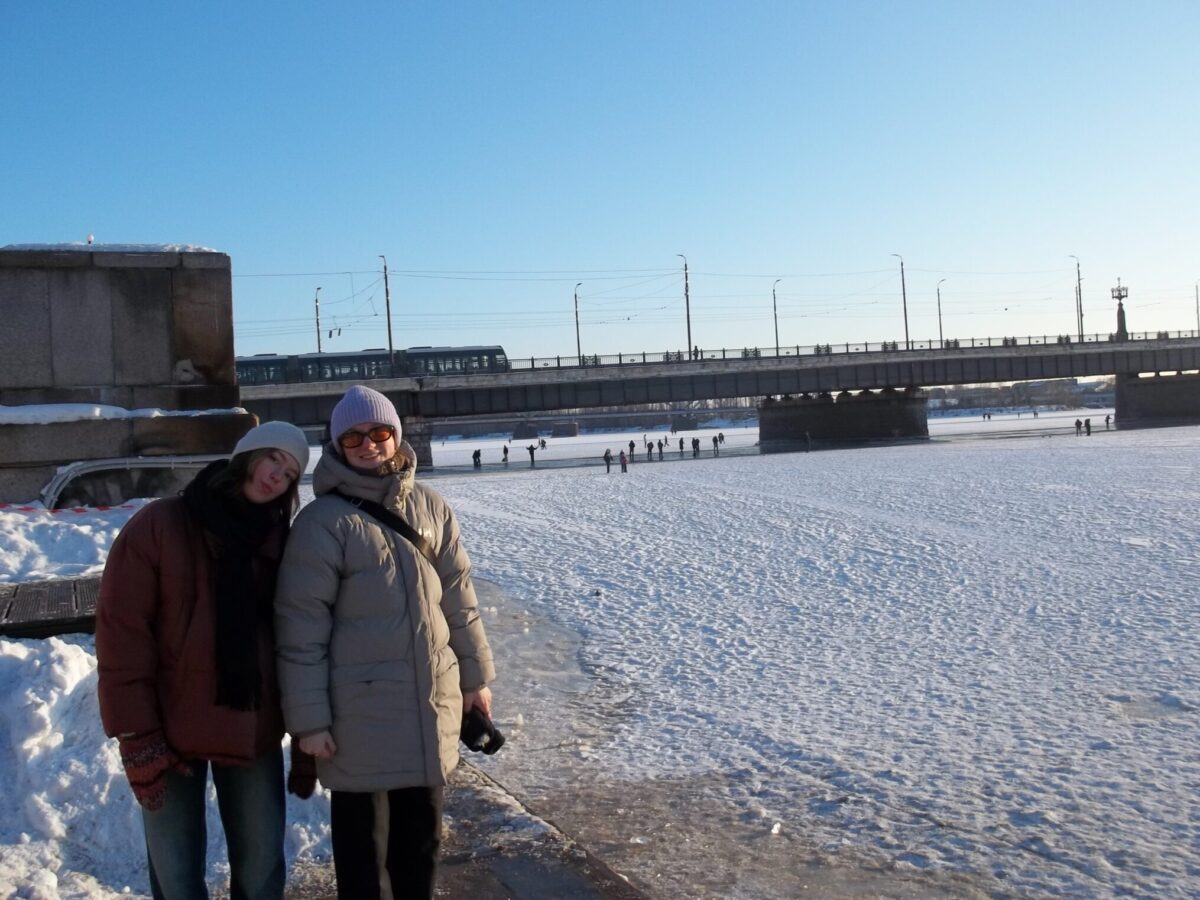
When we arrived in Riga in February, the Baltic Sea and the Daugava were still frozen and open to the public, so we ventured out for a walk on the river on one of our first days there. Picture Credit: Martha Zimmermann/TU Braunschweig
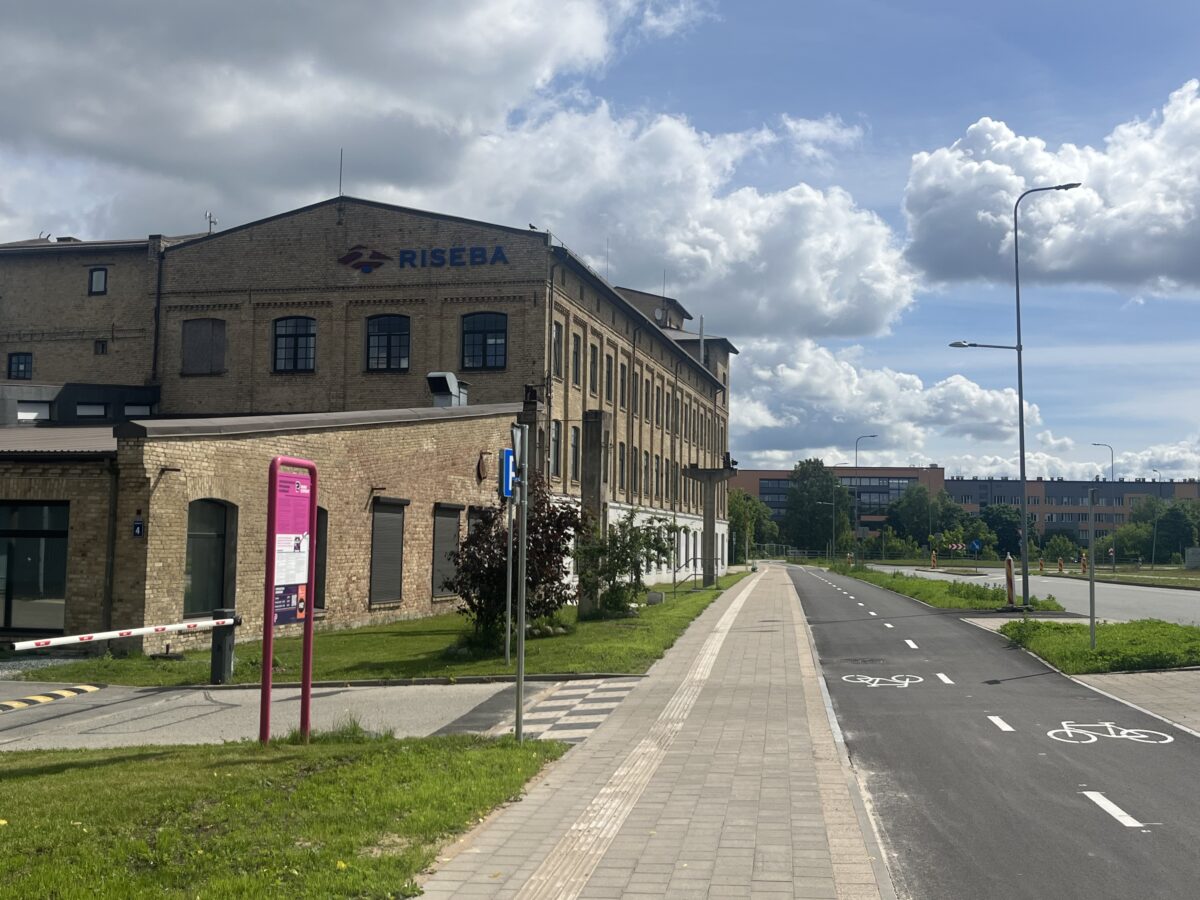
In this building, everything related to the Faculty of Architecture and Design takes place. Picture Credit: Martha Zimmermann/TU Braunschweig
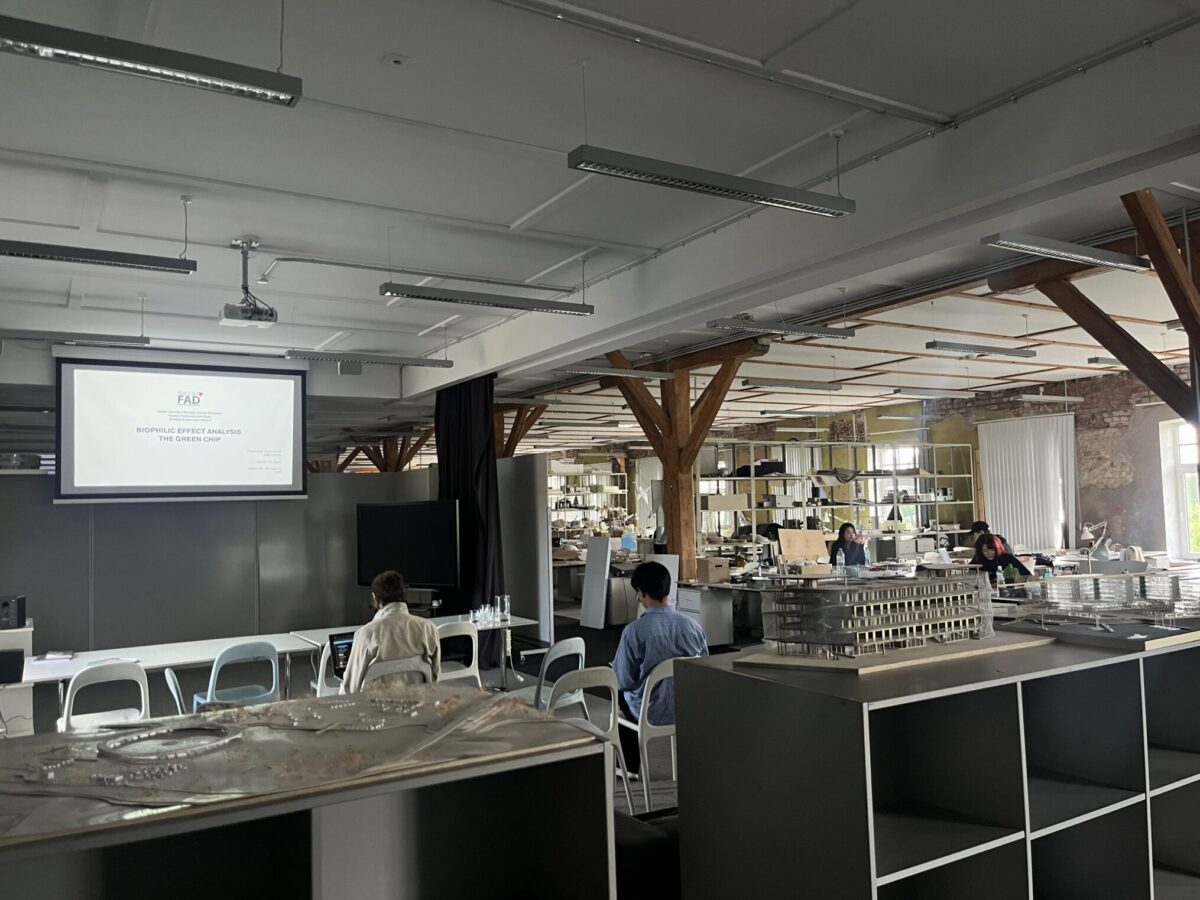
At RISEBA, the students’ study areas are right next to the lecture rooms. Picture Credit: Martha Zimmermann/TU Braunschweig
What’s the difference between studying at RISEBA and studying at TU Braunschweig?
There are only about 30 students per year group at RISEBA. So everyone really does know everyone else, and this means the lecturers have even closer contact with the students. The lectures and the students’ workspaces are all in one large room, separated only by shelves and curtains. So here, nobody runs the risk of their model ending up in the Oker on their way to the “Scheibe” [Okerhochhaus]. However, at TU Braunschweig we have a much better infrastructure thanks to the model-making studio, the drawing rooms and other available workspaces – as long as they aren’t under water ;).
Something particularly typical about the country I’m staying in is:
The silence on the tram.
This is what I’ve learnt here during the first three days:
In the first few days, I immediately noticed that loud conversation isn’t appreciated on public transport. It was particularly quiet in winter. Only slowly, as the temperatures began to rise, did the Latvians start chatting on the tram as well.
Good to know
My inside tip for anyone travelling to Riga:
It’s not exactly an inside tip, but the Museum of the Occupation of Latvia is a MUST if you want to learn more about German-Latvian and Latvian-Russian history, as well as the people and the country. Unfortunately, this was hardly covered at all in my history lessons.
My favorite-„quarter”:
Riga has several ‘quarters’ where, for example, various bars, restaurants and even exhibition spaces are housed within a single neighbourhood, often in old factory buildings. The Kimmel Quarter (Kimmel Kvartāls) hosted various open-air events. Sometimes you could watch sport, other times listen to live music. I spent a lot of time here.
One must-try local dish:
I can highly recommend the cold beetroot soup.
What blunders should you avoid in Latvia?
You must always “register” your ticket on public transport as soon as you board the bus or tram. However, if you forget to do so or don’t have a ticket, you’ll simply have to pay a fine of €15.
Here’s a tip I would give to other students/researchers who want to go abroad:
Enjoy your stay to the fullest and make the most of your free time to explore the country or even neighbouring countries.