
Why responsible behaviour is no longer a ‘nice-to-have’ Ann-Marie Ingrid Nienaber is the new professor of business ethics, sustainability and social change
How do organisations make decisions under high pressure and tight time constraints when, among other things, artificial intelligence accelerates processes – and the consequences extend far beyond their own company? And how can responsibility, trust and ethical decision-making function under these conditions? These are the questions addressed by Ann-Marie Ingrid Nienaber, the new professor of business ethics, sustainability and social change at the Institute for Business Management and Organisation at Technische Universität Braunschweig. In this interview, Professor Nienaber explains why business ethics, responsibility and sustainability have long since become drivers of social change.
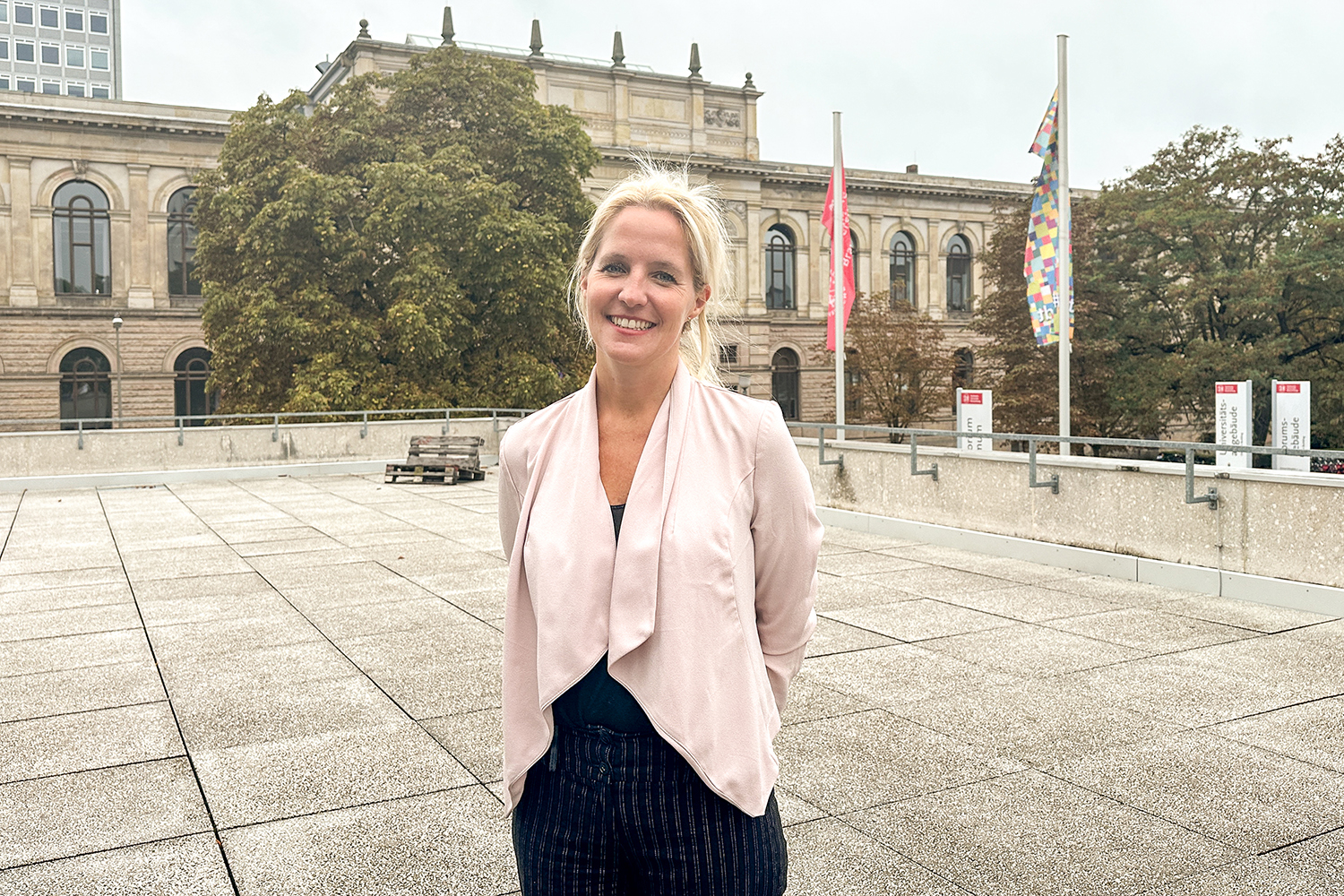
Professor Ann-Marie Ingrid Nienaber. Photo credits: Jessica Lüders/TU Braunschweig
Why did you choose TU Braunschweig?
TU Braunschweig offers an excellent interdisciplinary environment in which technological innovation, economic development and social responsibility are closely linked. I was particularly impressed by the opportunity to anchor ethical and sustainability-related issues in current transformation processes – for example, where new technologies such as artificial intelligence are changing decision-making processes. This combination of technology, organisation and responsibility makes TU Braunschweig an ideal place for my work.
What exactly do you do in your research? How would you explain your work to someone who is not familiar with the subject?
In my research, I investigate how organisations can act responsibly – especially in times of profound change. It’s about how values, trust and ethical principles shape decisions and how this translates into concrete behaviour. This applies to classic organisational issues as well as new contexts, such as dealing with AI-supported decision-making systems or sustainable innovation processes. People and their responsibility are always at the centre of this.
What are the main research areas and projects you will be working on at TU Braunschweig?
My work at TU Braunschweig focuses on three key areas: business ethics and social responsibility, especially in situations of transformation and crisis; trust, values and behaviour in organisations, including in interaction with digital and AI-based systems; and sustainability and social change, with a focus on long-term impact, acceptance and governance.
I work on these topics in international research projects and in dialogue with partners from business, politics and civil society.
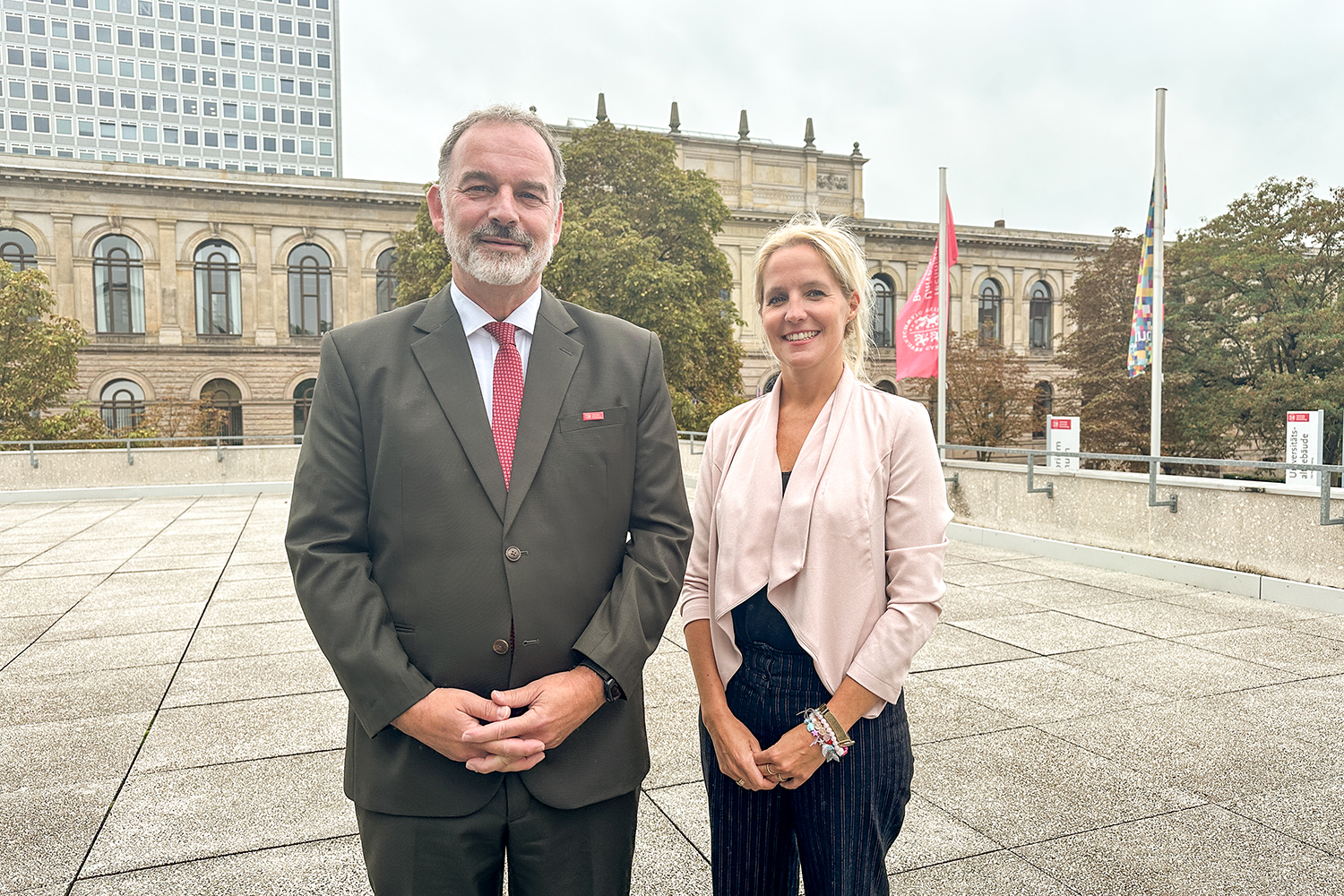
Professor Ann-Marie Ingrid Nienaber with Manfred Krafczyk, Vice-President for Digitalisation and Sustainability at TU Braunschweig. Photo credits: Jessica Lüders/TU Braunschweig
What motivated you to conduct research in this area?
I am driven by the question of why organisations today seem to know exactly what responsible action means – and yet fail precisely when the pressure is greatest. In times of profound transformation, whether due to sustainability requirements, geopolitical crises or the use of new technologies such as AI, decisions are becoming faster, more complex and more consequential. This is precisely where it becomes apparent whether values and ethical principles actually guide action or only exist on paper.
This is where my research comes in. It aims to show how responsibility, trust and ethical decision-making can work under real-world conditions – in organisations that have to survive economically and in a society that is directly affected by these decisions. After all, responsible behaviour is no longer a ‘nice-to-have’ today, but a central prerequisite for long-term legitimacy, trust and social cohesion.
How would you describe your everyday work in three keywords?
Interdisciplinary, international, future-oriented.