
Mail from … Trondheim TU employee Daria Horte shares her experiences from Norway
General Information
Daria Horte has been a member of TU Braunschweig since 2020. She’s currently working as the programme coordinator for Computational Sciences in Engineering (CSE) and as a research assistant at the Institute of Structural Analysis. In early December, she went on an Erasmus+ staff exchange to Trondheim, Norway.
This is why I decided to go abroad:
I decided to spend time abroad at the Norwegian University of Science and Technology (NTNU) in Trondheim, Norway, in order to expand my intercultural skills and at the same time grow my international network. Through personal contact with local staff, I was not only able to learn about different ways of thinking and working in another academic culture, but also to strengthen existing international cooperation and further promote the exchange of knowledge.
This is how I organised my stay abroad:
After my successful application to the International House and the grant approval, I contacted the Marine Civil Engineering research group at NTNU, thanks to existing scientific collaborations. Once we had agreed on the travel dates, I submitted the necessary documents and booked my flight and accommodation.
There were these challenges or particularly positive experiences during the organisation:
The biggest challenge was determining the travel period, as I had to coordinate my professional and personal commitments with the availability of my colleagues at NTNU.
I would like to give special mention to the fantastic support I received from International House in submitting the funding application documents – particularly from Mr Ducatelli and his team – for which I would like to express my sincere thanks!
This is how I prepared for my stay abroad:
Since English is widely spoken in Scandinavia, there was no need to take a Norwegian language course. Nevertheless, a warm ‘Hei’ (hello) and ‘Takk’ (thank you) were very useful and were rewarded with a smile everywhere I went.
At the top of my packing list was a credit card, as cashless payments are almost exclusively used in Scandinavia. And, of course, I had to pack my warmest jacket and winter boots to be well prepared for the Scandinavian winter.
How long does the stay last and what programme is used?
My stay at NTNU lasted one week and was funded by the ERASMUS+ programme for staff mobility.
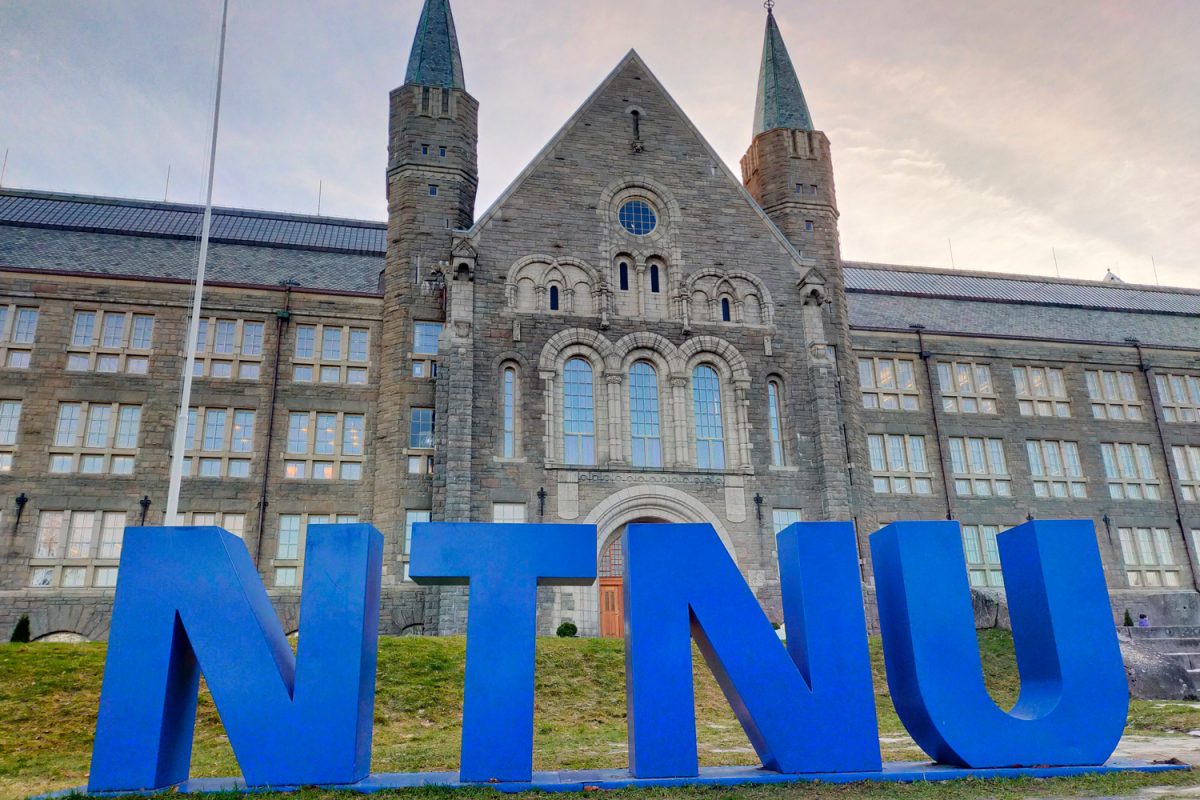
The “Gammelbygg” (“Old Building”) at the Norwegian University of Science and Technology (NTNU) in Trondheim. Picture credits: Daria Horte/TU Braunschweig
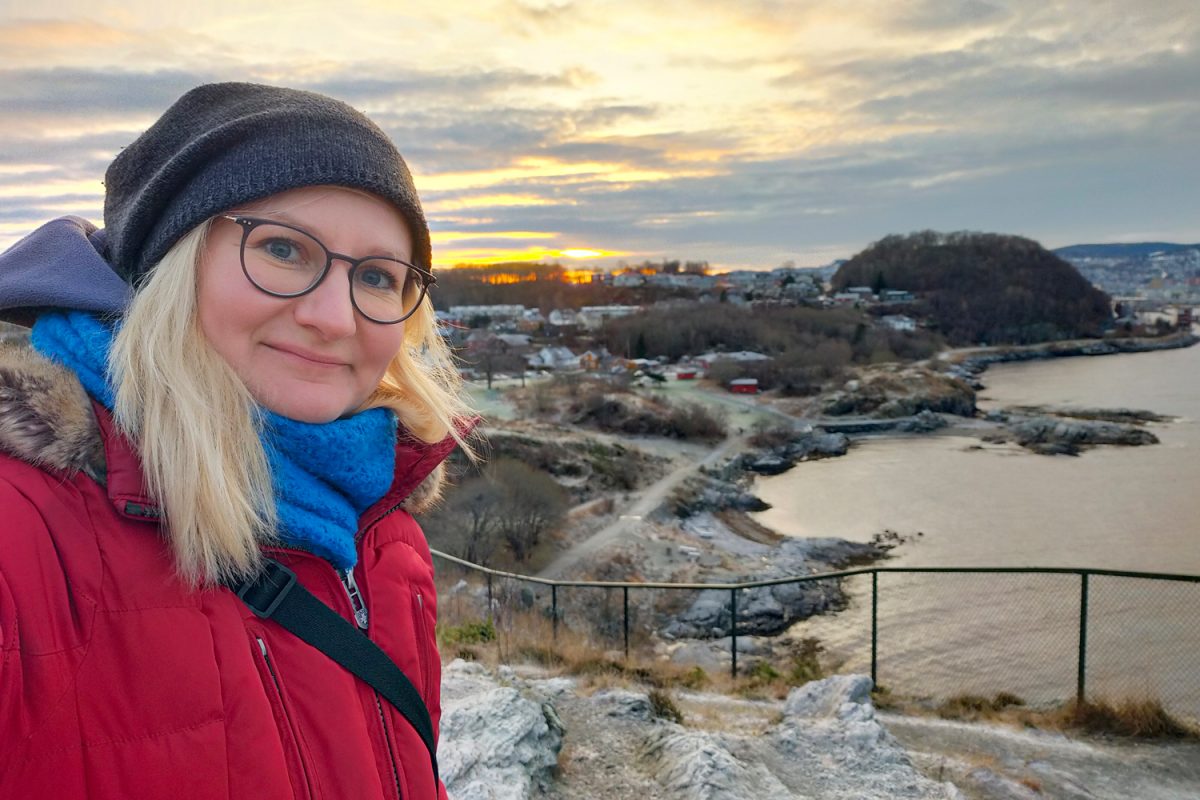
Here you see me on a walk in the popular beach and hiking area “Korsvika.” Picture credits: Daria Horte/TU Braunschweig
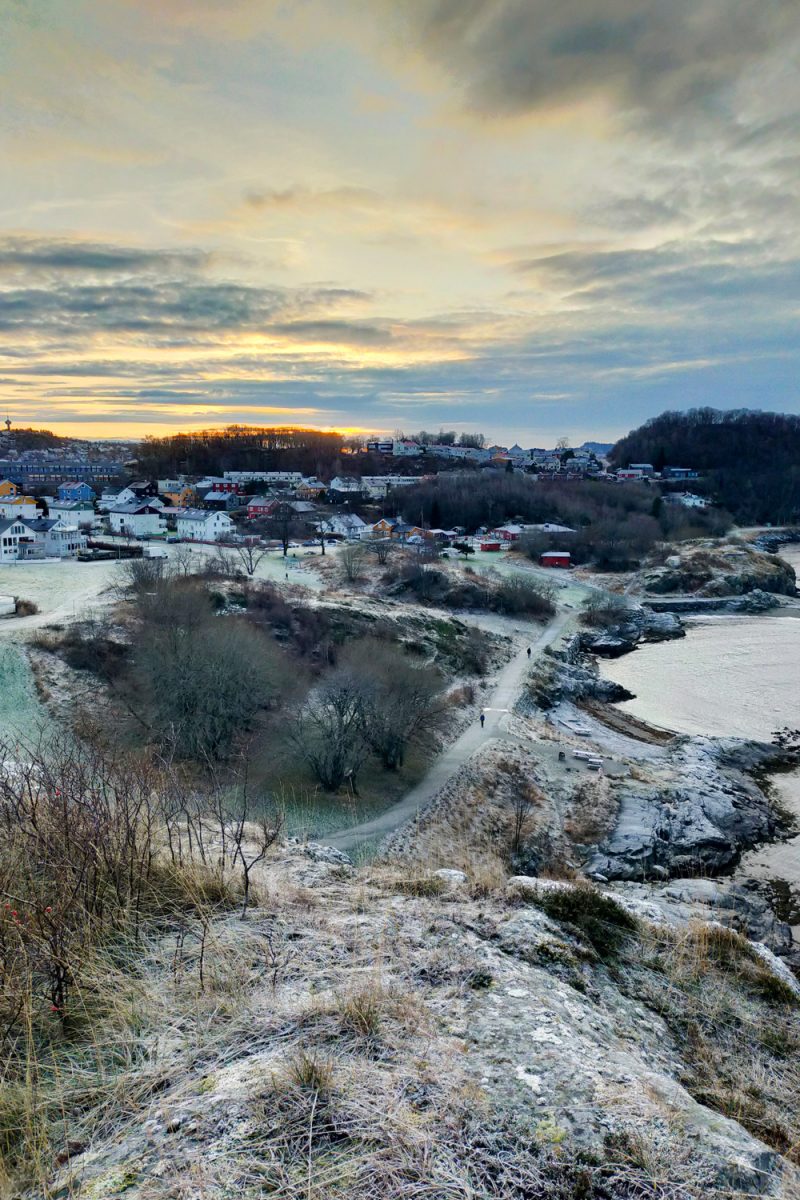
From here you have a great view of Trondheim. Picture credits: Daria Horte/TU Braunschweig
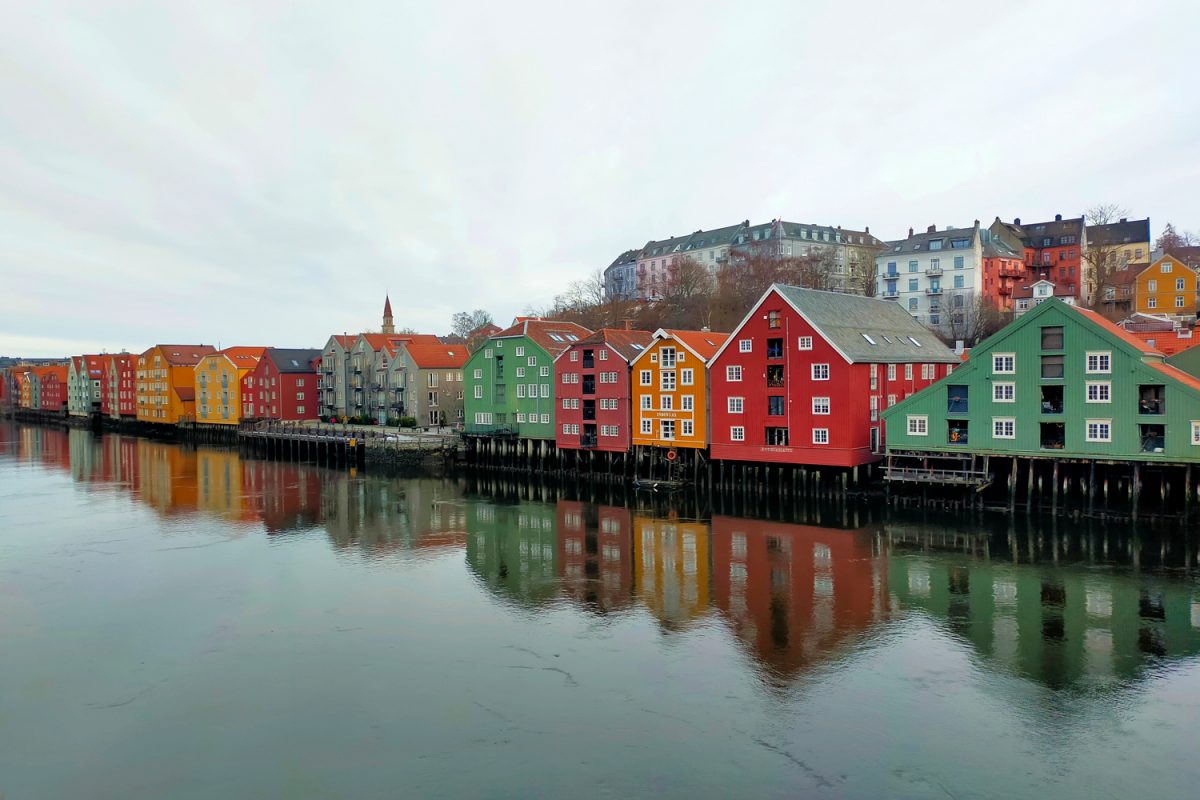
The charming old town “Bakklandet” is known for its colorful wooden houses. Picture credits: Daria Horte/TU Braunschweig
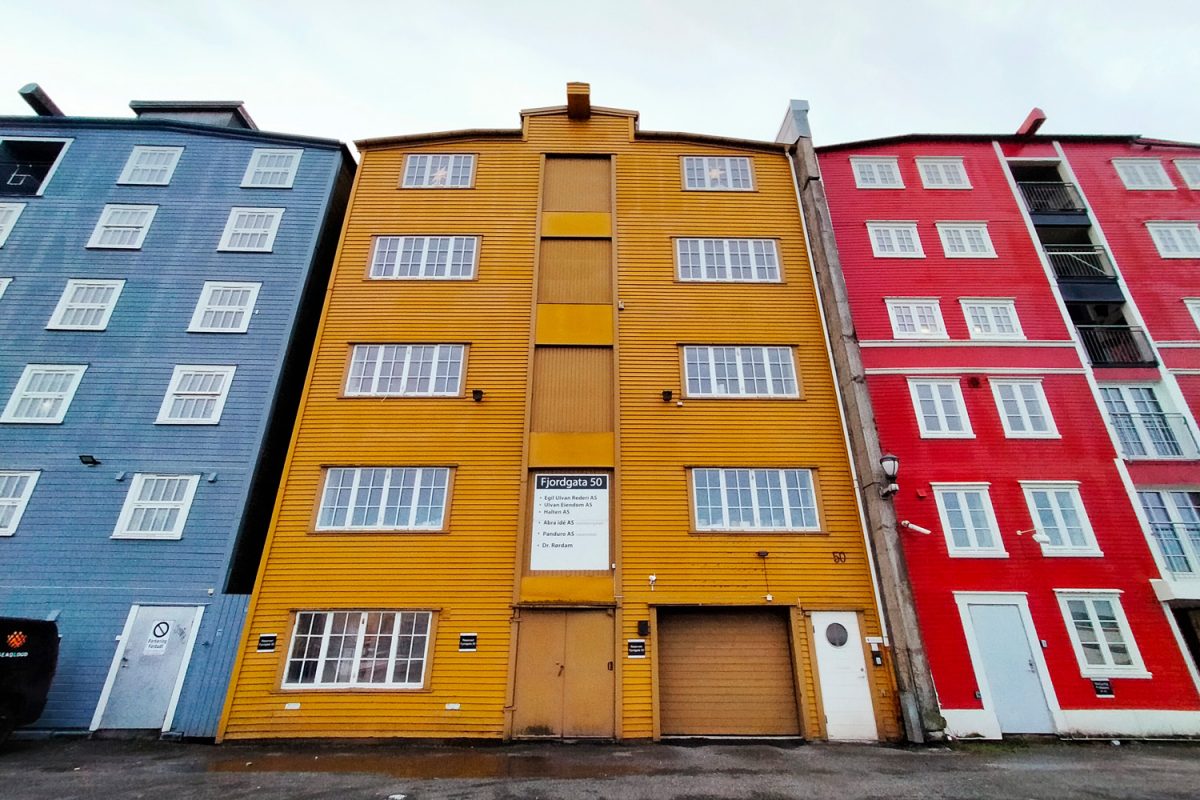
Colorful wooden houses as far as the eye can see. Picture credits: Daria Horte/TU Braunschweig
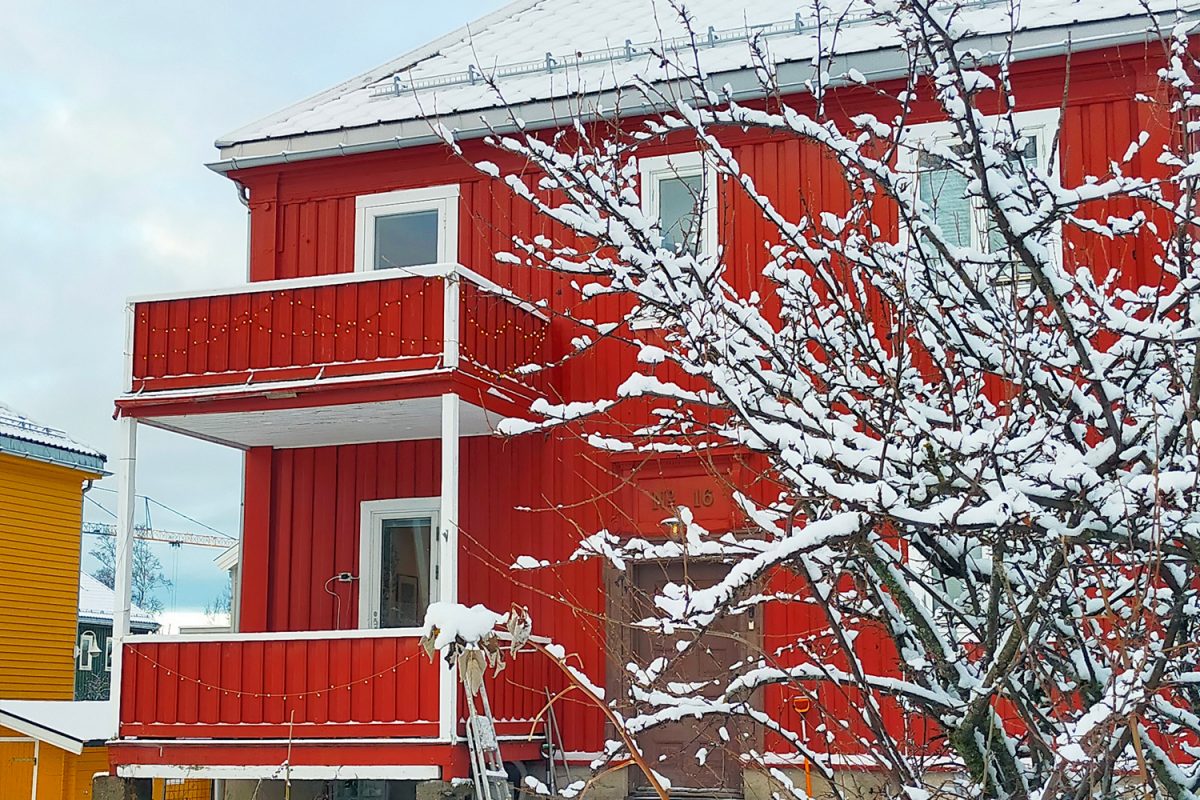
The colors look especially stunning against the snowy landscape. Picture credits: Daria Horte/TU Braunschweig
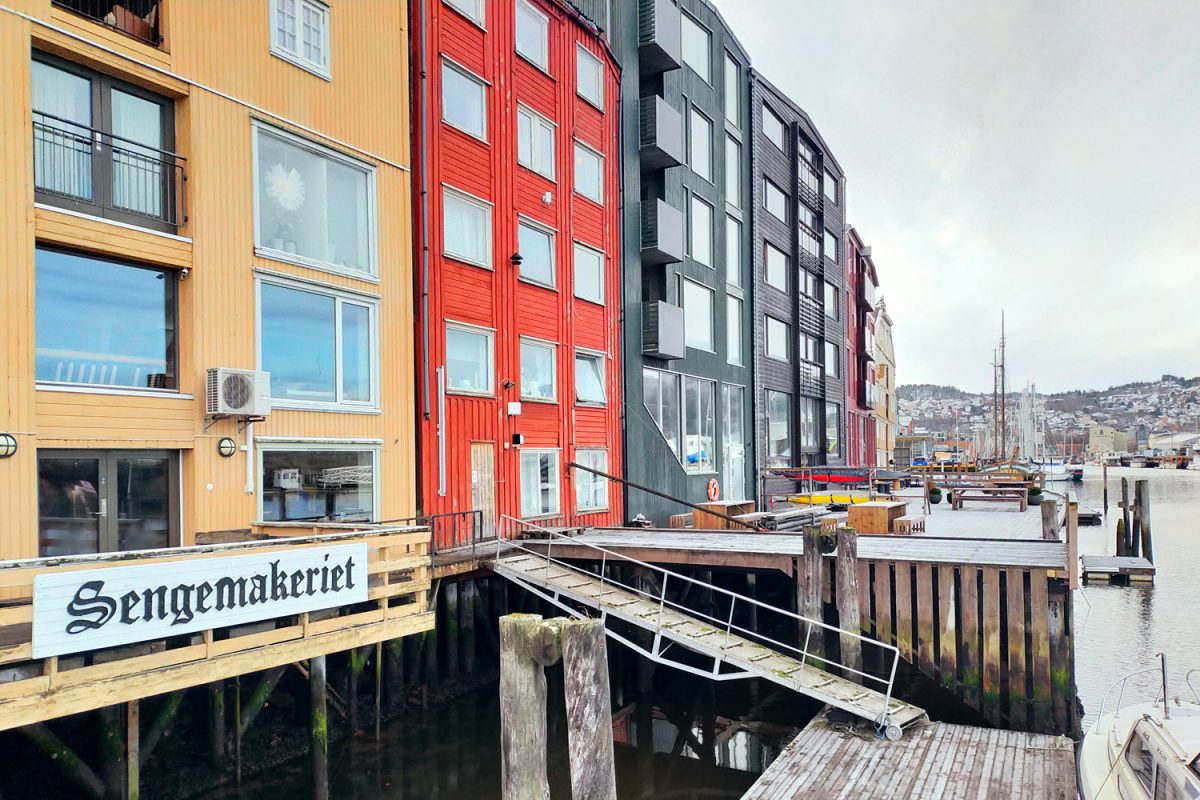
By the way, Trondheim is one of the oldest cities in the country. It was founded by the Vikings in the 10th century. Picture credits: Daria Horte/TU Braunschweig
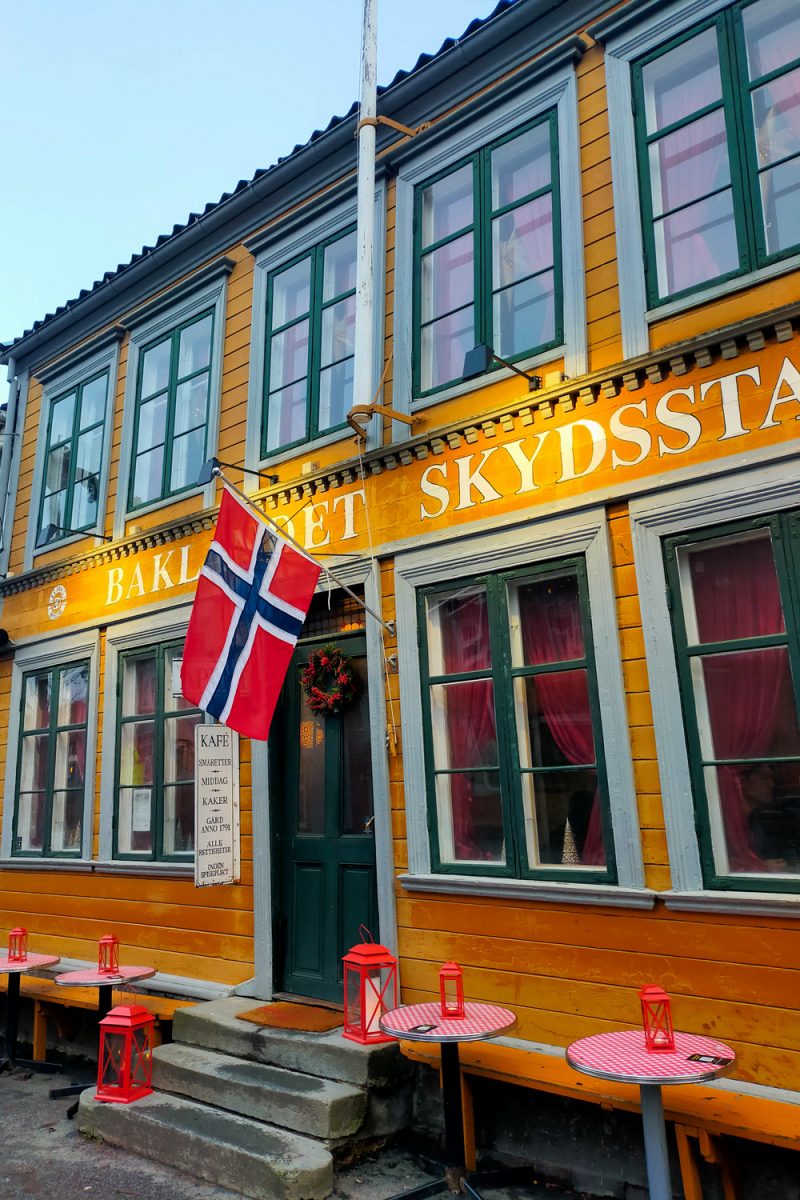
The cafés in Trondheim’s old town are not only pretty to look at from the outside, … Picture credits: Daria Horte/TU Braunschweig

… but also offer cozy seating areas inside and, above all, the delicious kanelboller (cinnamon buns). Picture credits: Daria Horte/TU Braunschweig
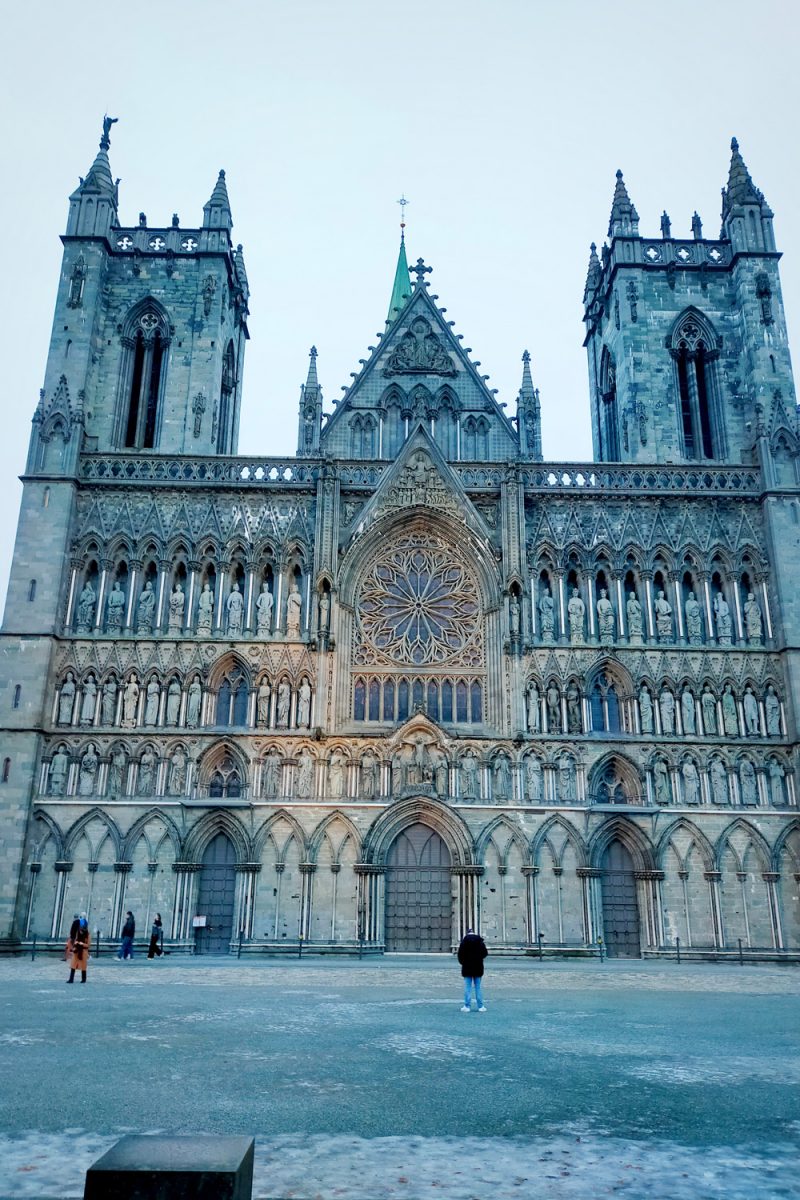
The Nidaros Cathedral is one of Norway’s most significant churches. Picture credits: Daria Horte/TU Braunschweig
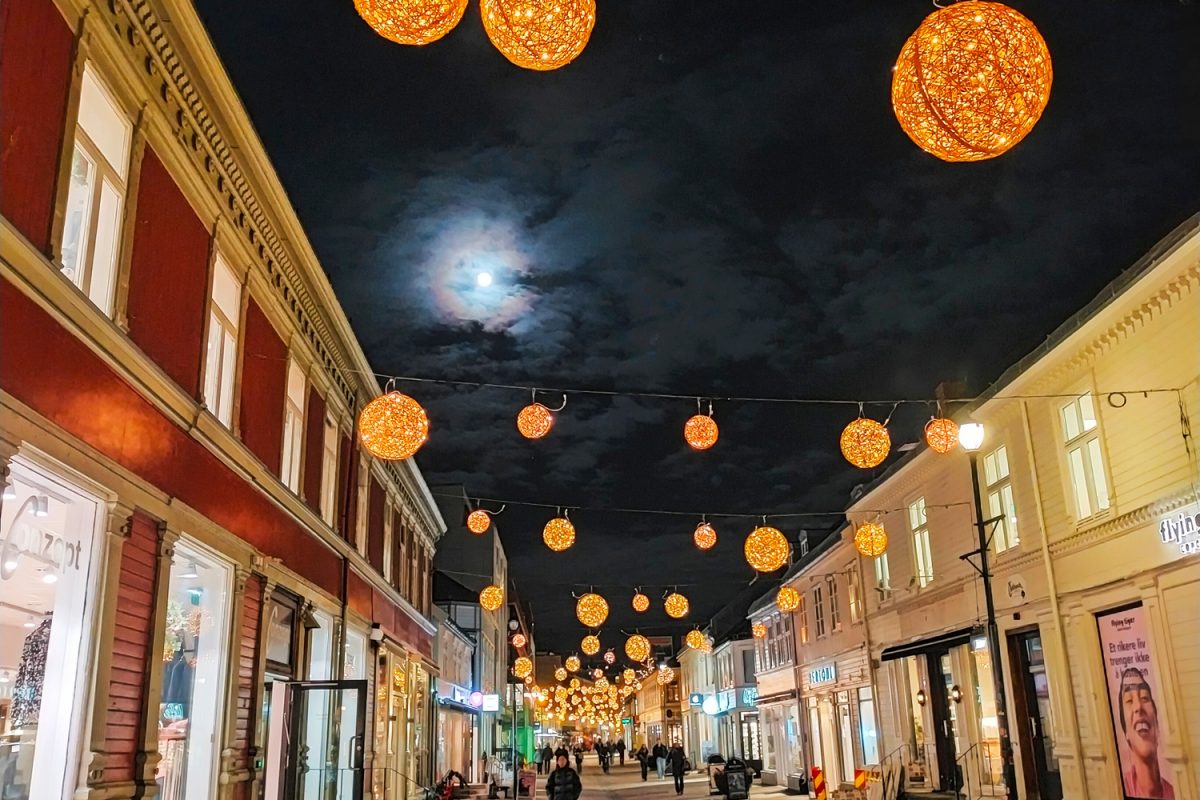
The shopping streets had a special charm during the pre-Christmas season thanks to all the lights. Picture credits: Daria Horte/TU Braunschweig
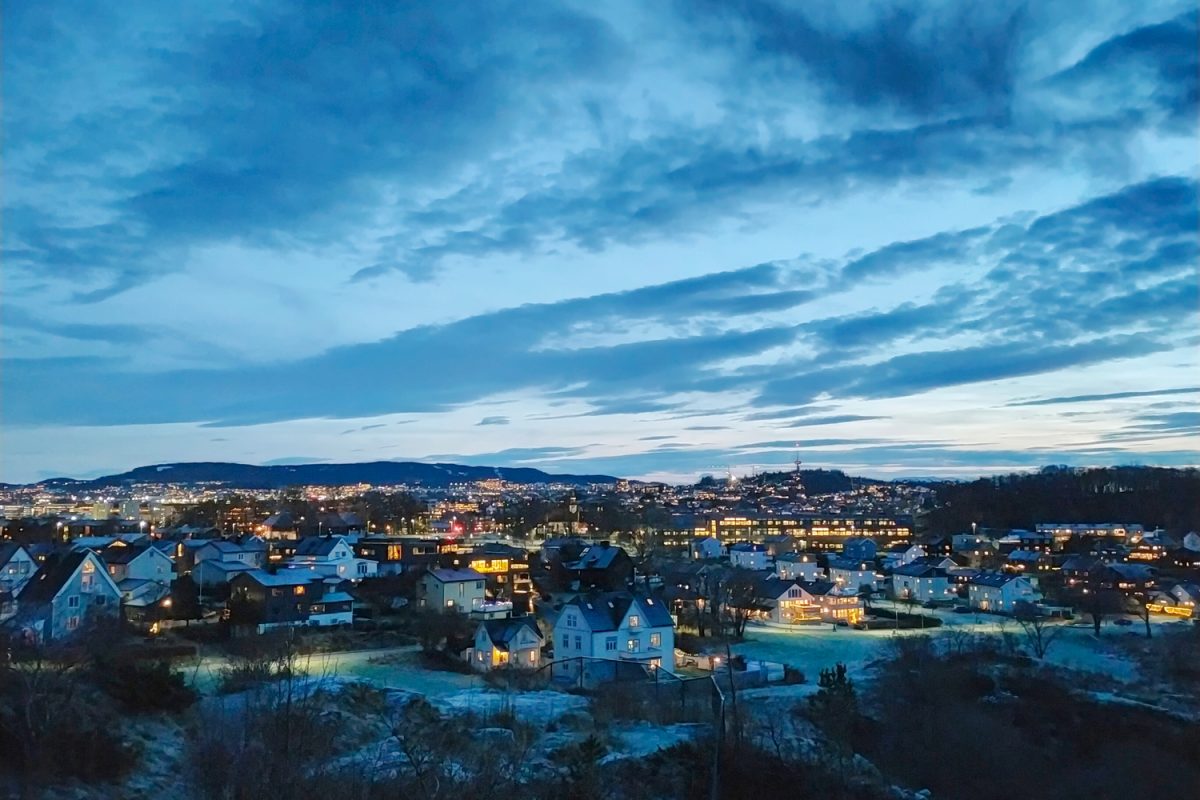
Trondheim at dusk – a great view. Picture credits: Daria Horte/TU Braunschweig
Life abroad
This is what I did in Trondheim:
In Trondheim, I had intensive discussions with scientists from our field about current research activities and approaches in the area of floating offshore wind turbines. I also got to know the dynamic, international institute life at the partner university and the diverse university environment, and gained valuable insights into everyday life and culture in Norway.
How does everyday working life in Trondheim differ from that in Germany?
Overall, everyday working life at NTNU felt quite familiar – vibrant institute life, exciting projects and an open atmosphere. However, one difference is immediately apparent: working from home is rather the exception here; almost everyone is on site and the campus is teeming with students all day long. With researchers from all over the world, it is extremely international.
A joint lunch break is scheduled for around 12 noon, usually with packed lunches brought from home (but there are also several canteens on campus).
This is how I lived in Trondheim:
During my stay, I lived in a privately rented flat in the northern part of Trondheim. Although it was not close to the campus, the NTNU was only 20–25 minutes away thanks to the good bus connection.
What did the evenings look like in Trondheim?
In winter, Trondheim only has four to five hours of daylight. When I went to work in the morning, the city was still dark, and after work it was already dark again. That’s why I usually used my short lunch breaks to take a walk across campus to soak up some daylight.
After work, I usually took a walk through the city. In the run-up to Christmas, almost all the houses and streets were decorated with Christmas lights. I took walks through narrow alleys, enjoyed the view of the city from the shore and got to know Norwegian culture. Every now and then, I stopped at a café or restaurant to try local specialities. A special highlight was the Christmas market with its lights, sweet treats and Christmas choir singing.
The biggest challenge during my stay:
The biggest challenge during my stay was adjusting to the limited daylight, which made the days feel much shorter.
Trondheim’s coastal location brought with it freezing temperatures, so a thick jacket, hat and gloves became essential items. The often icy paths required great caution – next time, I will be packing shoe spikes.
Last but not least, Norway is an expensive country, so prices for food and everyday items are significantly higher than in Germany – something that should definitely be taken into account when planning your budget. Eating out at a restaurant is at least twice as expensive as it is at home.
Good to know
You should definitely try this typical local dish:
When in Norway, you should definitely try the many regional fish dishes – especially the creamy ‘Fiskesuppe’. But dishes made from local game are also on the menu.
When it comes to sweet specialities, you should definitely try ‘kanelboller’ / “kanelsnurrer”, the typical Norwegian cinnamon bun, and a glass of ‘julebrus’, the spicy Christmas lemonade. Not to forget: crispy Norwegian waffles with clotted cream and strawberries.
This is particularly typical for my country of residence:
The distinctive Christmas atmosphere is particularly typical of winter in Norway: during the festive season, the streets and houses are aglow with lights, and many restaurant dishes and confectionery items have the prefix “Jule-” (Christmas).
The impressive fjords and snow-capped mountains form a breathtaking natural backdrop, perfectly complemented by traditional Norwegian jumpers and warm woollen mittens.
What pitfalls should you avoid inTrondheim?
A typical faux pas is withdrawing and carrying cash: in Trondheim, almost everything is paid for by card – even at the Christmas market. Paying with cash usually just causes surprise.
Conclusion
How do the skills and experience you gained abroad help you in your current position at TU Braunschweig?
Through close collaboration with my Norwegian colleagues, I have gained important professional insights for my research and continue to benefit from their open and helpful approach to work.
In addition, I am now able to provide much more intensive and practical advice to students planning to study abroad in Trondheim.
This is what my stay abroad brings me personally:
The stay abroad gave me some really important professional insights – my Norwegian colleagues were so open and helpful, which really broadened my view of research. At the same time, I got to boost my intercultural skills and feel even more confident working in an international setting.
This is what I took home with me from Trondheim:
Aus Trondheim habe ich nicht nur wertvolle Kontakte und inspirierende Forschungsimpulse mitgenommen, sondern auch unzählige Fotos sowie einen NTNU-Hoodie als bleibende Erinnerungen an die schöne Zeit an der Partneruniversität.
I give this tip to other employees who want to go abroad:
My tip to anyone planning a stay abroad: don’t hesitate – just apply and get started! The organisation is easy to manage, and the experience will help you advance both professionally and personally in the long term.