
Expanding the possibilities of perception Conclusion of the research initiative on XR in education
As the boundary between reality and the digital world begins to blur, new learning opportunities emerge. Technologies such as augmented, virtual and mixed reality enable us to broaden our horizons and open up completely new ways of imparting knowledge. This is precisely where the project “Interdisciplinary Perspectives on Extended Realities in Education” (INTERXR) came in a year ago. Scientists at Technische Universität Braunschweig investigated how these digital spaces could transform teaching and learning. With the final conference, organised in collaboration with the MediaLab, the project has entered its final transfer phase. A key part of this is the lecture series on virtual worlds.
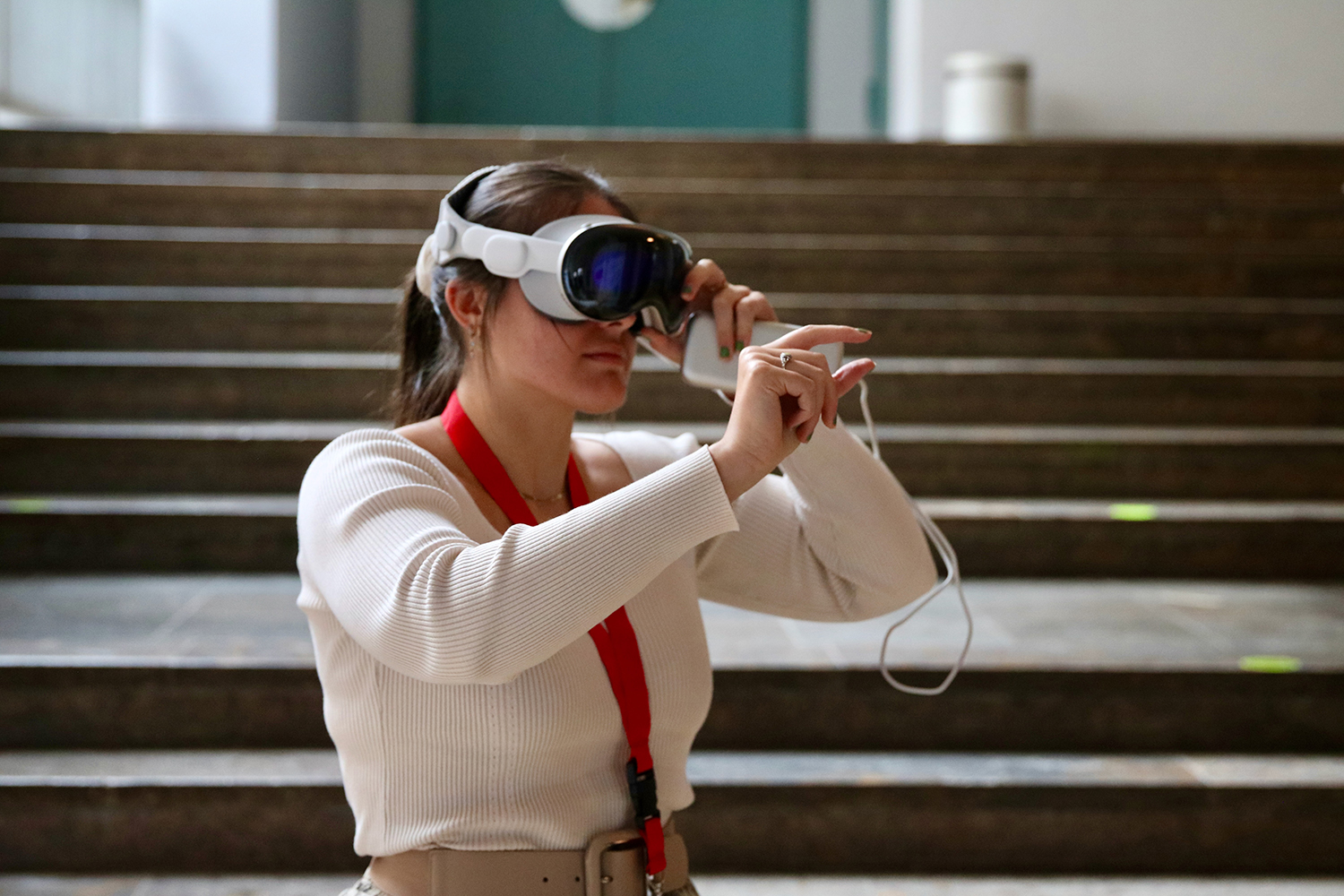
VR glasses, in particular, enable immersion in a whole new digital world. Photo credit: Alexander Büssing/TU Braunschweig
Extended realities (XR) encompass all technologies that extend or augment reality, or create entirely virtual spaces. These include augmented reality (AR), virtual reality (VR) and mixed reality (MR). These technologies are becoming an increasingly important part of our everyday lives, and are also finding their way into schools, universities, and other educational institutions. VR glasses, in particular, enable immersion in a completely new digital world. This creates educational opportunities, particularly for subjects that are difficult to experience directly in real life. For instance, a virtual dive may be more memorable than simply reading about coral reefs. The INTERXR project aimed to bring together TU Braunschweig’s research in this area and raise the profile of XR for research and teaching in Braunschweig.
Current developments in XR technologies in education
“XR can open up many new possibilities,” explained PD Dr Dagmar Hilfert-Rüppell, who led the research initiative alongside Professor Alexander Büssing from the Institute for Science Education. Places and phenomena that are otherwise inaccessible can be experienced. Examples of this include the deep sea and the rainforest. “XR also enables a better understanding of abstract or complex phenomena, particularly with regard to their visualisation,” she added. This also offers an opportunity to address topics in teacher training, which she would like to explore in a project on professionalisation using 360° video vignettes.
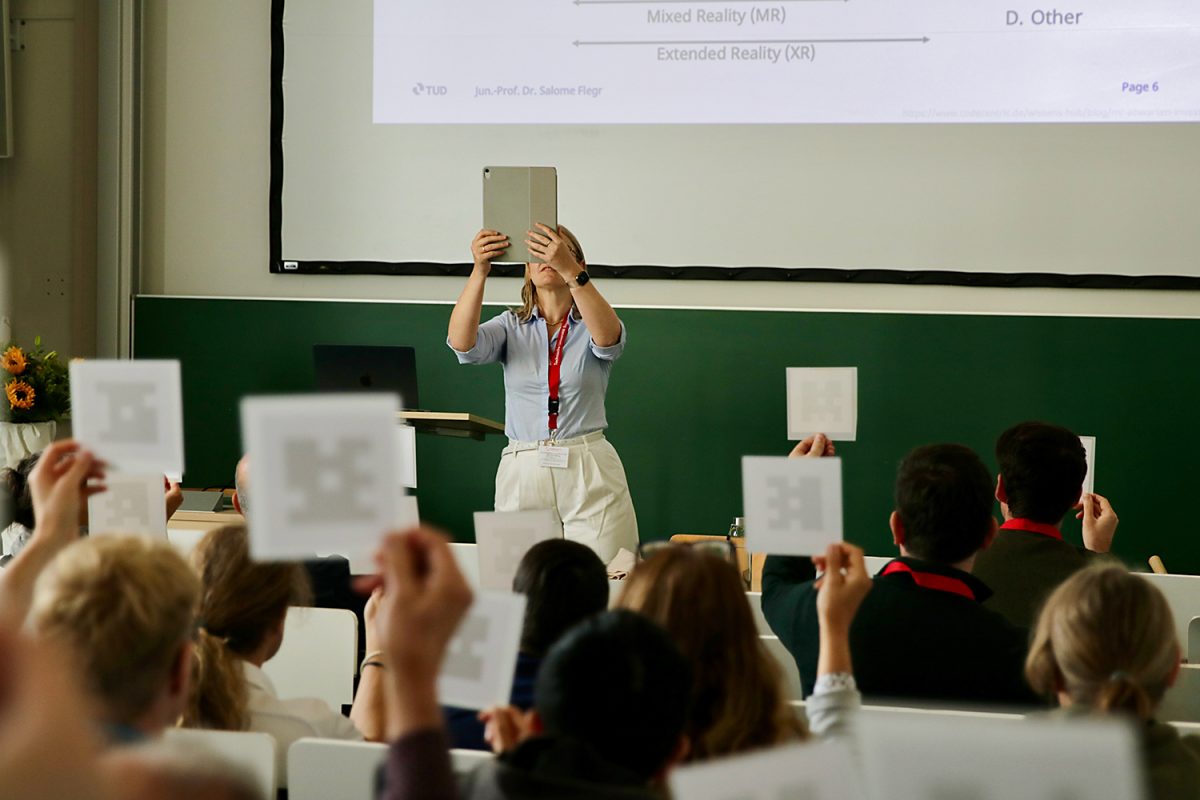
In the keynote speech by junior professor Salome Flegr (TU Dresden), the audience was interactively involved and opinions on the role of XR technologies were sought. Photo credit: Alexander Büssing/TU Braunschweig
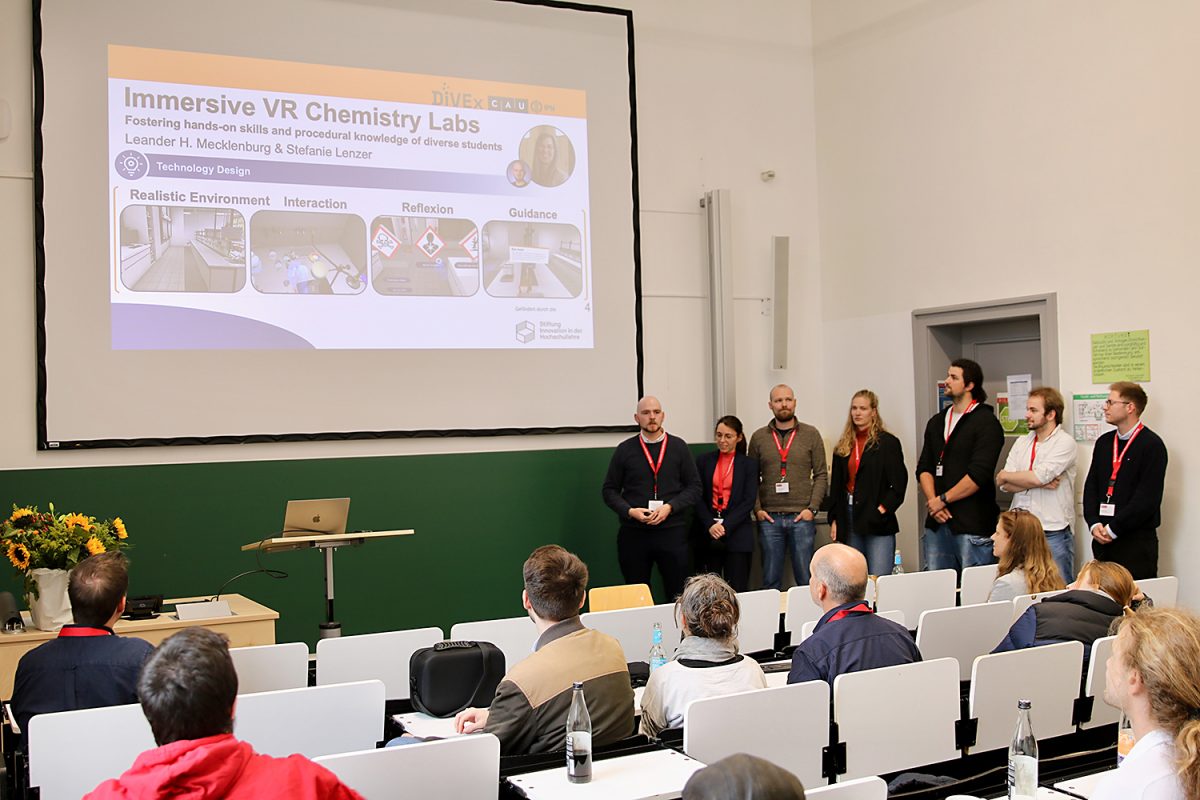
The interactive posters were pitched in the lecture hall. Photo credit: Alexander Büssing/TU Braunschweig
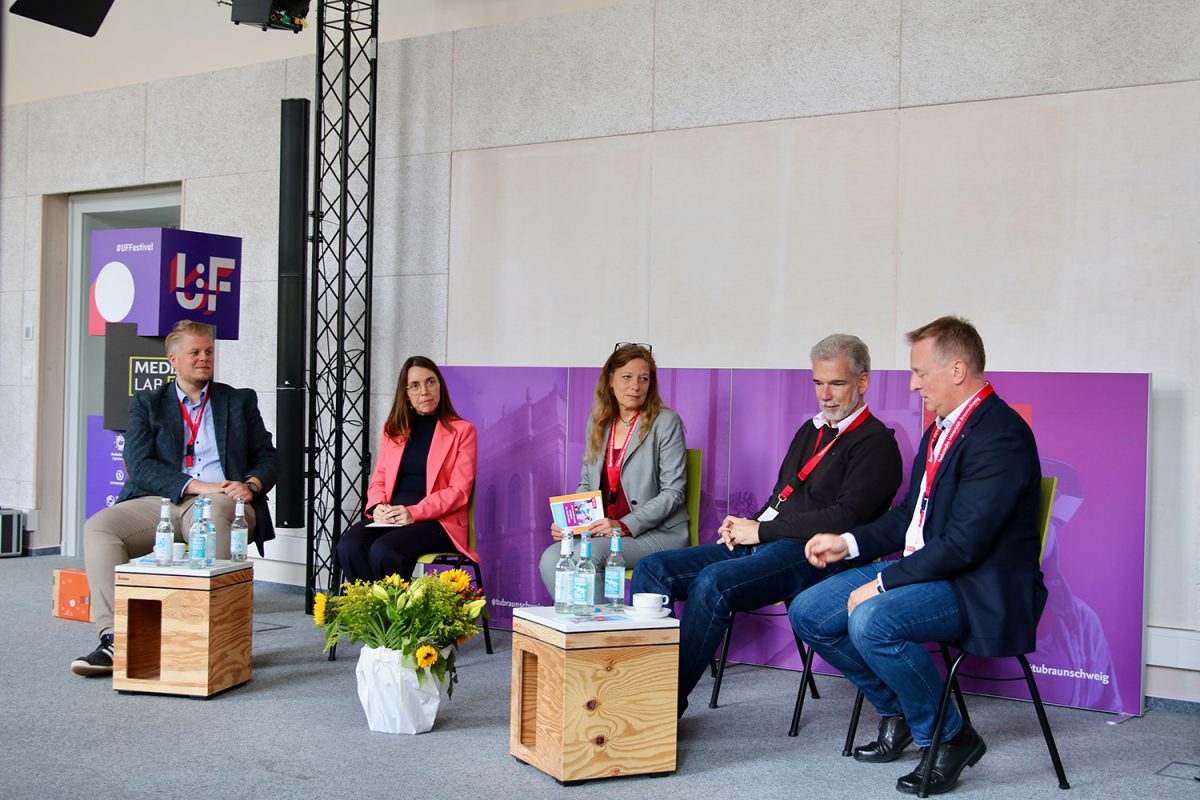
At the end of the conference, project participants discussed current research priorities for XR in education (from left): Prof. Alexander Büssing, Dr. Katja Knecht, PD Dr. Dagmar Hilfert-Rüppell, Prof. Marcus Magnor, Prof. Stefan Heuser. Photo credit: Alexander Büssing/TU Braunschweig
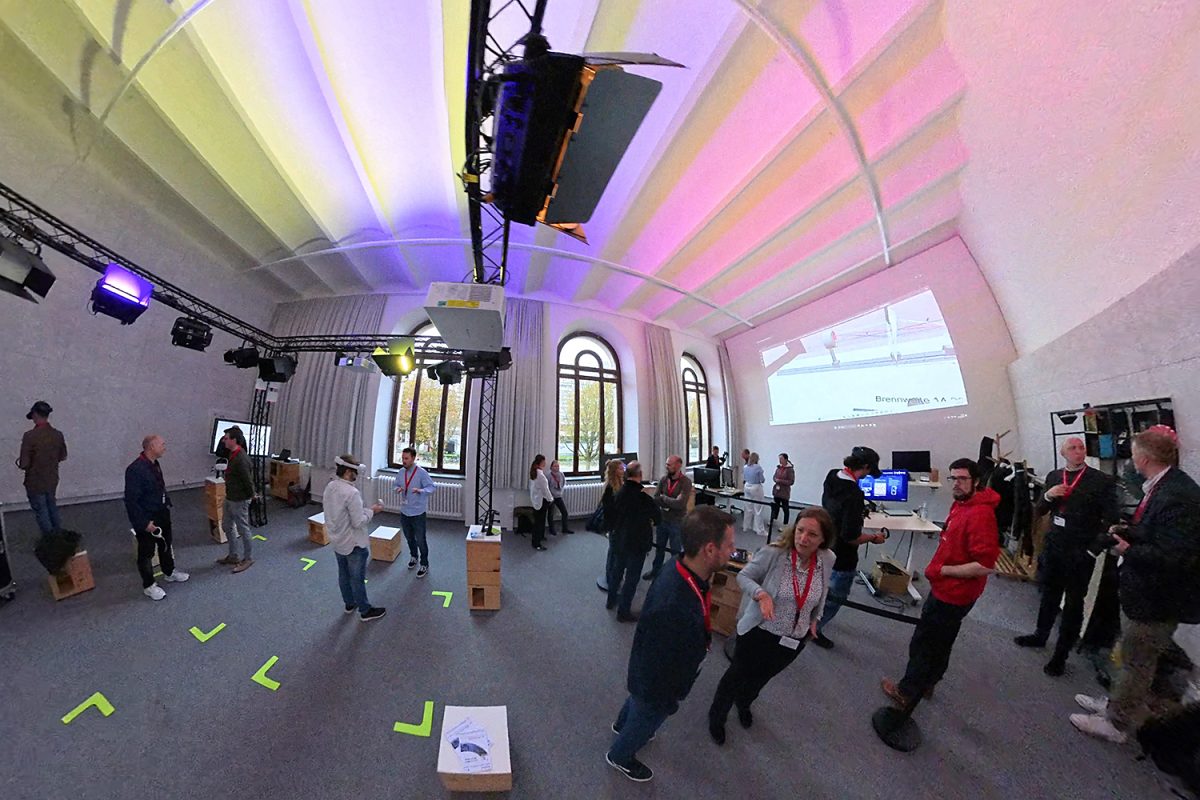
360° recording of the technology presentations in the MediaLab at TU Braunschweig. Photo credit: Michael Beiderwellen/TU Braunschweig
INTERXR was designed to bring together and develop projects at TU Braunschweig in this field in an interdisciplinary manner. “Initially, the goal was to establish a shared understanding of XR and develop a common vocabulary,” explains Professor Büssing. To this end, a glossary was created, and workshops and a final conference were organised. This preliminary work is expected to generate new research perspectives, which the consortium is currently exploring. “Anyone interested in the topic is welcome to contact us or submit further projects and publications for the homepage,” says Professor Büssing.
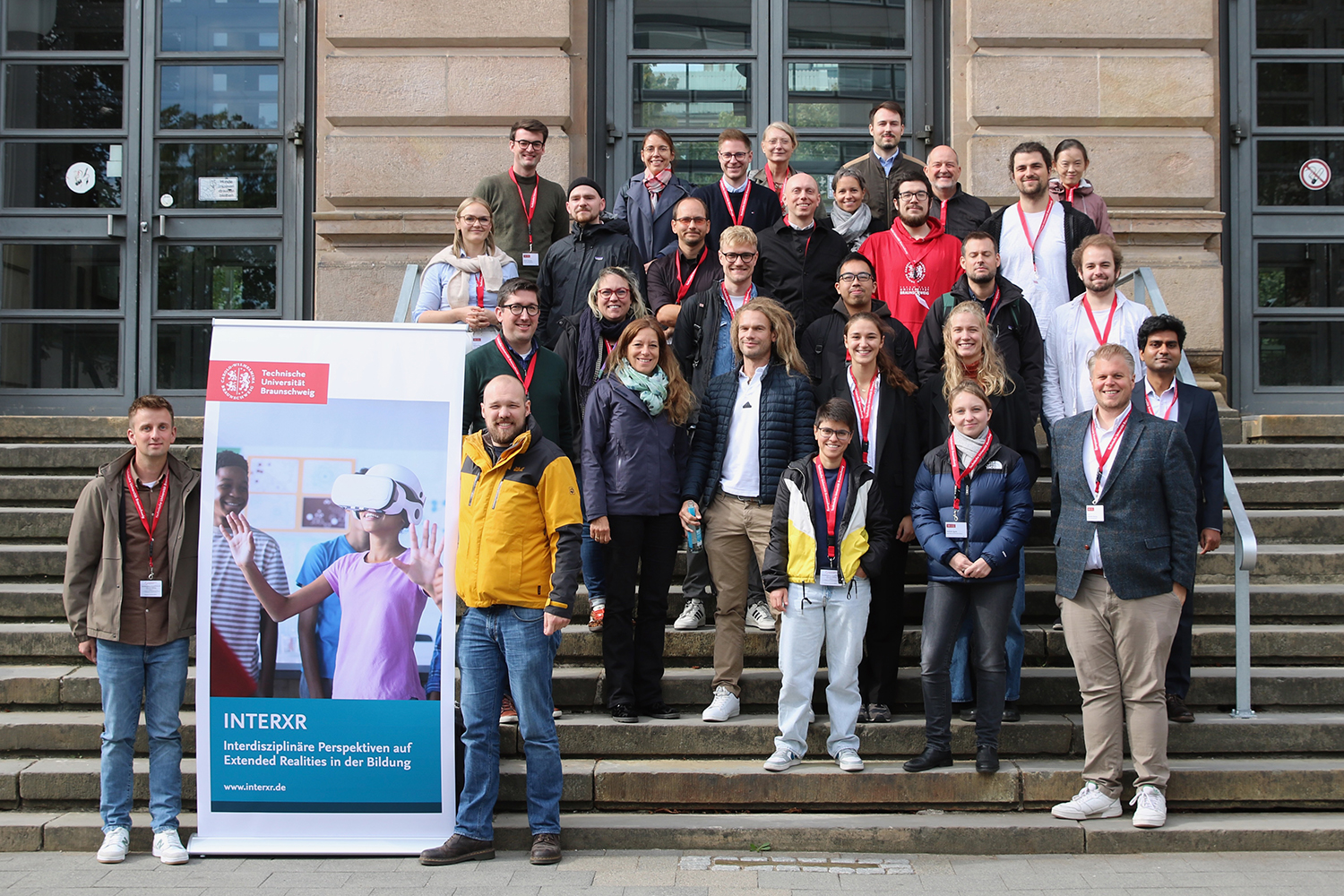
Participants at the final conference in front of the old building. Photo credit: Alexander Büssing/TU Braunschweig
Virtual worlds, real education?
The project, launched in October 2024, considers perspectives from various disciplines, including computer graphics, the humanities and architecture. These diverse perspectives were also evident at the final conference. “Although it is sometimes difficult to bring together different methodological approaches, interdisciplinarity is ultimately an important element in understanding the use of XR in education,” says Dorian Thomsen, who organised the conference. His own research also played a role, as his dissertation focuses on the use of VR in human biology lessons at school.
The project participants also gained insights into the practical implementation of XR applications in education, such as virtual laboratory tours to prepare students for working with real laboratory equipment, and the development of XR offerings to support educational processes.