
The future is a team sport End of the expedition for the "Travelling light" project
“The future is a team sport.” This quote from futurologist Florence Gaub was the perfect way to sum up the added value of the seven-month “Travelling light” project, with over 50 TU members participating, at the closing event in early December. All team members, including several guests from the Senate and the faculties, evaluated the test phase results and celebrated the project’s conclusion, expressing great appreciation for the shared team spirit!
TU President Prof. Angela Ittel and project initiator Dietmar Smyrek, Vice-President for Human Resources, Finance and University Construction, welcomed the team members to the closing event. Together, they vividly recounted the genesis of the project idea, which arose during a past Chancellor’s Annual Conference. Both see cooperation as a key benefit.
“This is exactly the kind of initiative I had hoped for at TU Braunschweig: with a spirit of experimentation, a hands-on approach and a great deal of enthusiasm for working together, more than 50 staff members have developed creative and practical solutions that will make our work easier and more transparent in the future. The impressive, joyful dynamic emanating from the participants was palpable. It shows how much it means to us when we are willing to actively shape our university,” said President Prof. Angela Ittel about the project.
Vice-President Dietmar Smyrek, who commissioned the project, is convinced of its positive impact: “I really enjoyed this project. It fostered a real sense of team spirit at TU Braunschweig. I very much hope that we will all carry this spirit from the project teams into our daily work, embracing the creative ideas, the willingness to experiment, the mutual support, and the attitude of “Of course we’ll do this together!”. I am convinced that if we do this, it will greatly enrich TU Braunschweig as a community, the teams at all levels, and ourselves. And over time, the spark will also spread to colleagues who were not involved in the project.”
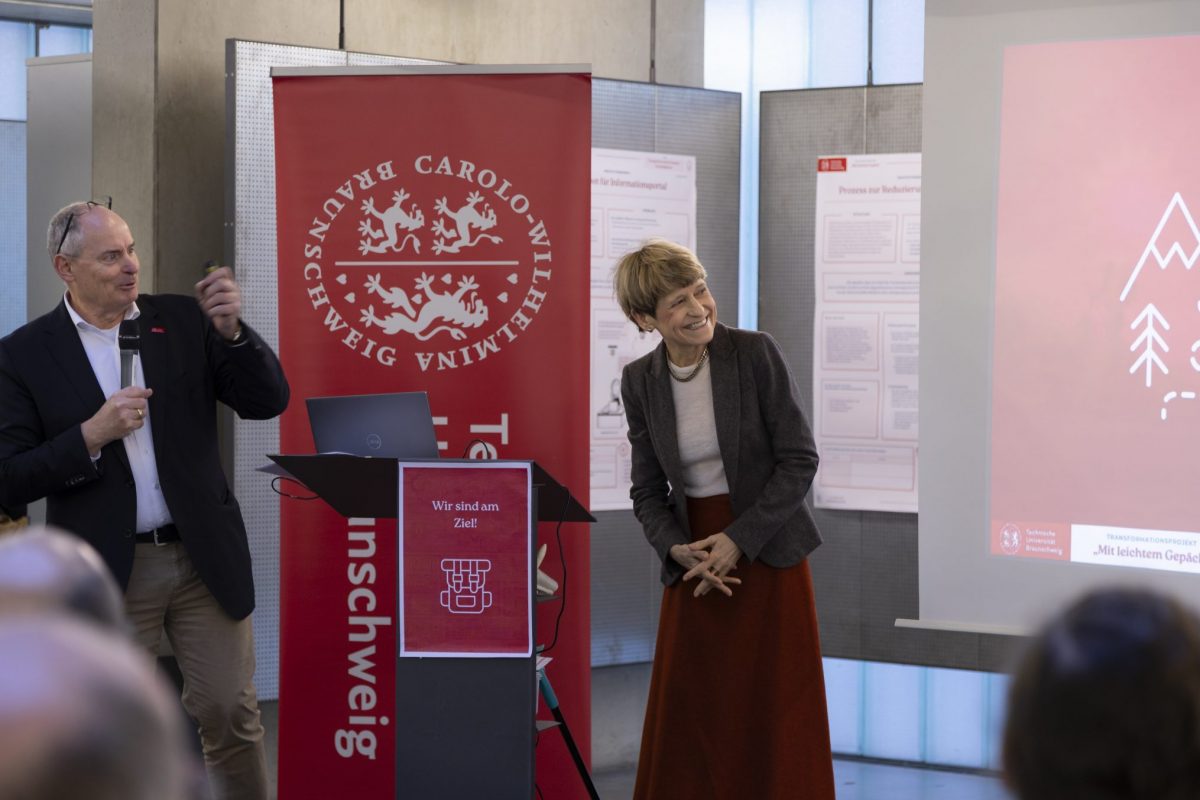
Welcome and review of the initial project idea by Angela Ittel. Photo credit: TU Braunschweig/Project House_Alicia-Sophie Bleyer
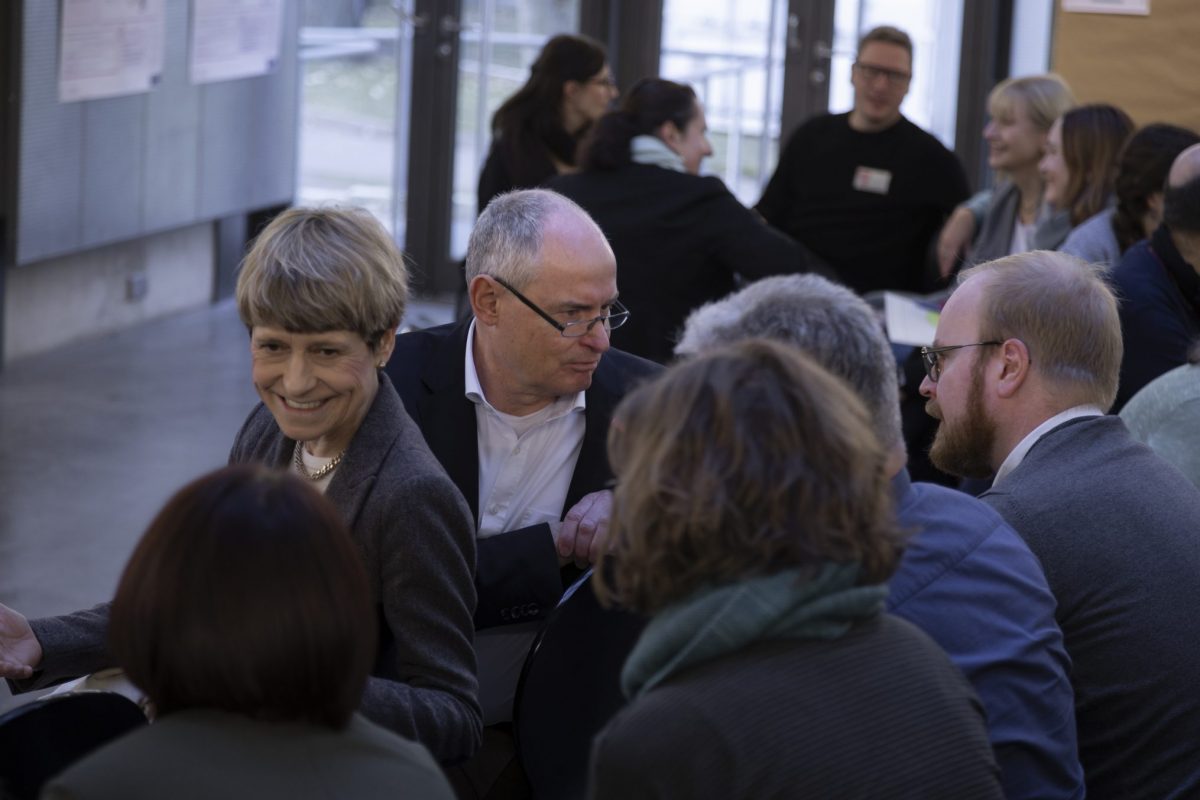
Exchange and review of Expedition I. Photo credit: TU Braunschweig/Project House_Alicia-Sophie Bleyer
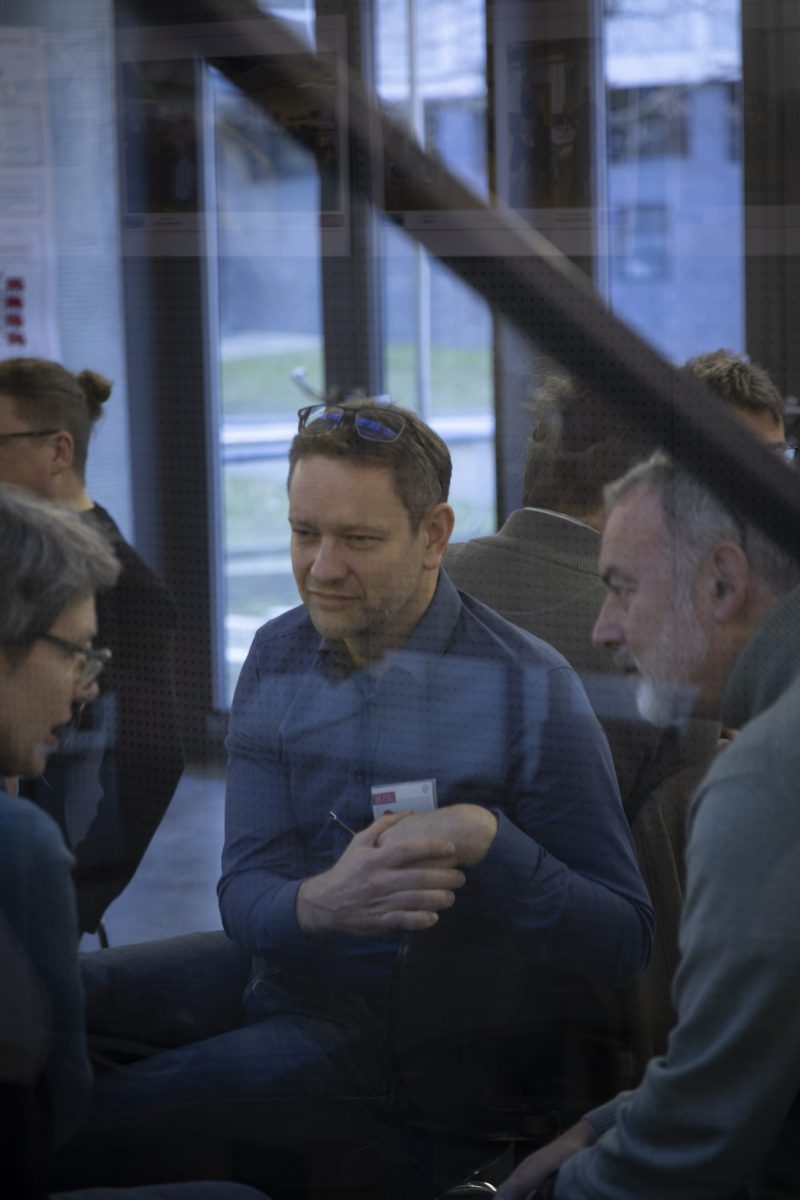
Exchange and review of Expedition II. Photo credit: TU Braunschweig/Project House_Alicia-Sophie Bleyer
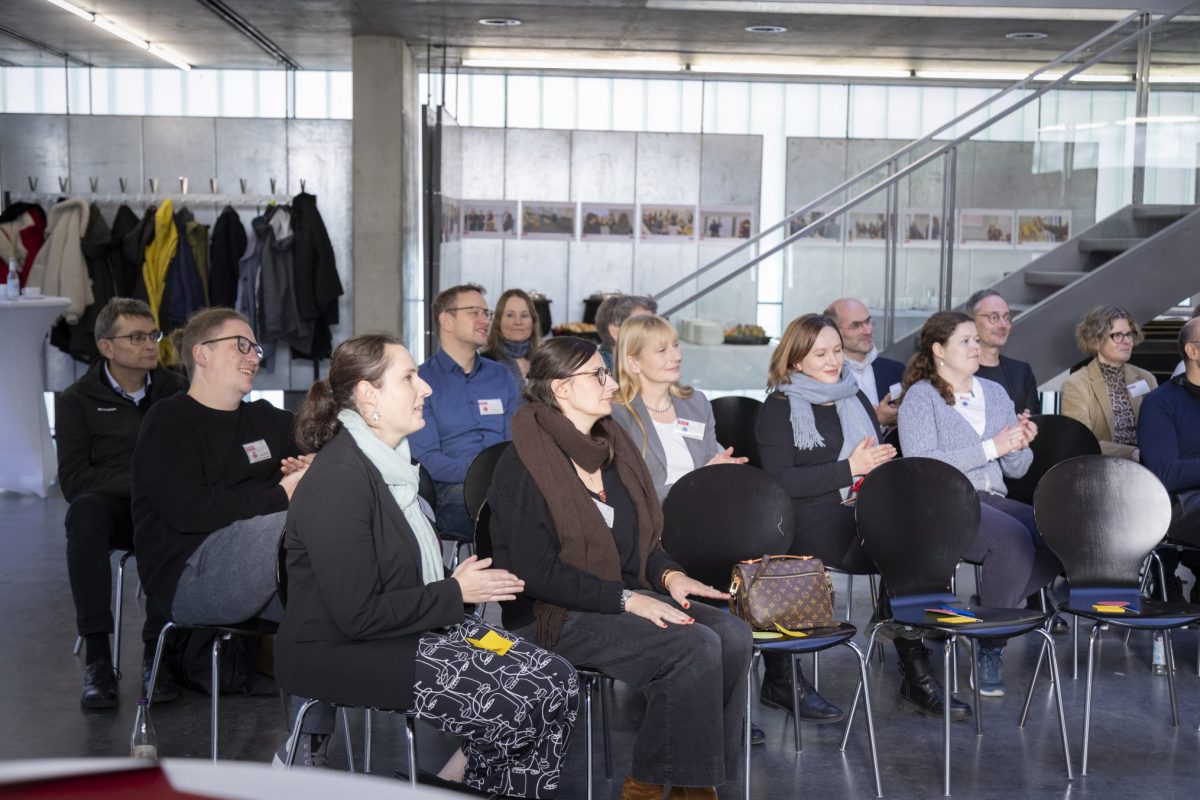
Presentation of results to all teams. Photo credit: TU Braunschweig/Project House_Alicia-Sophie Bleyer
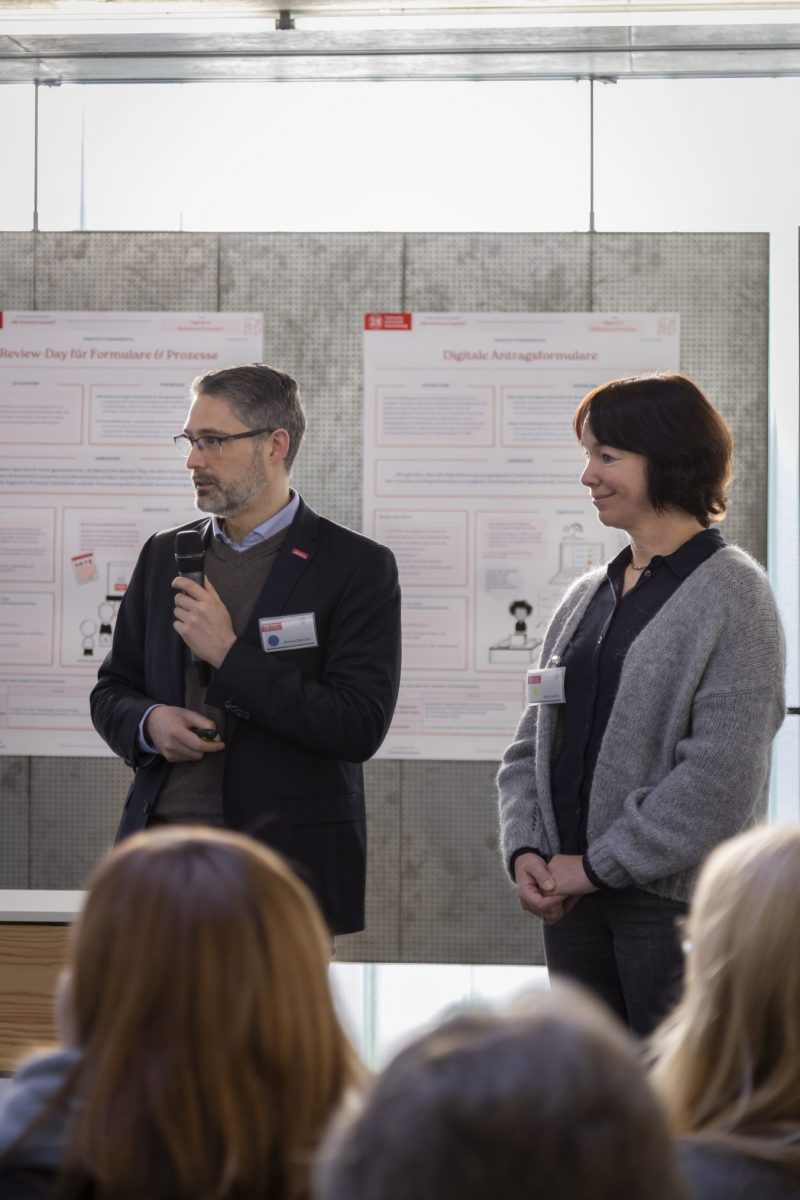
Team presentation "Transparency in processes and responsibilities". Photo credit: TU Braunschweig/Project House_Alicia-Sophie Bleyer
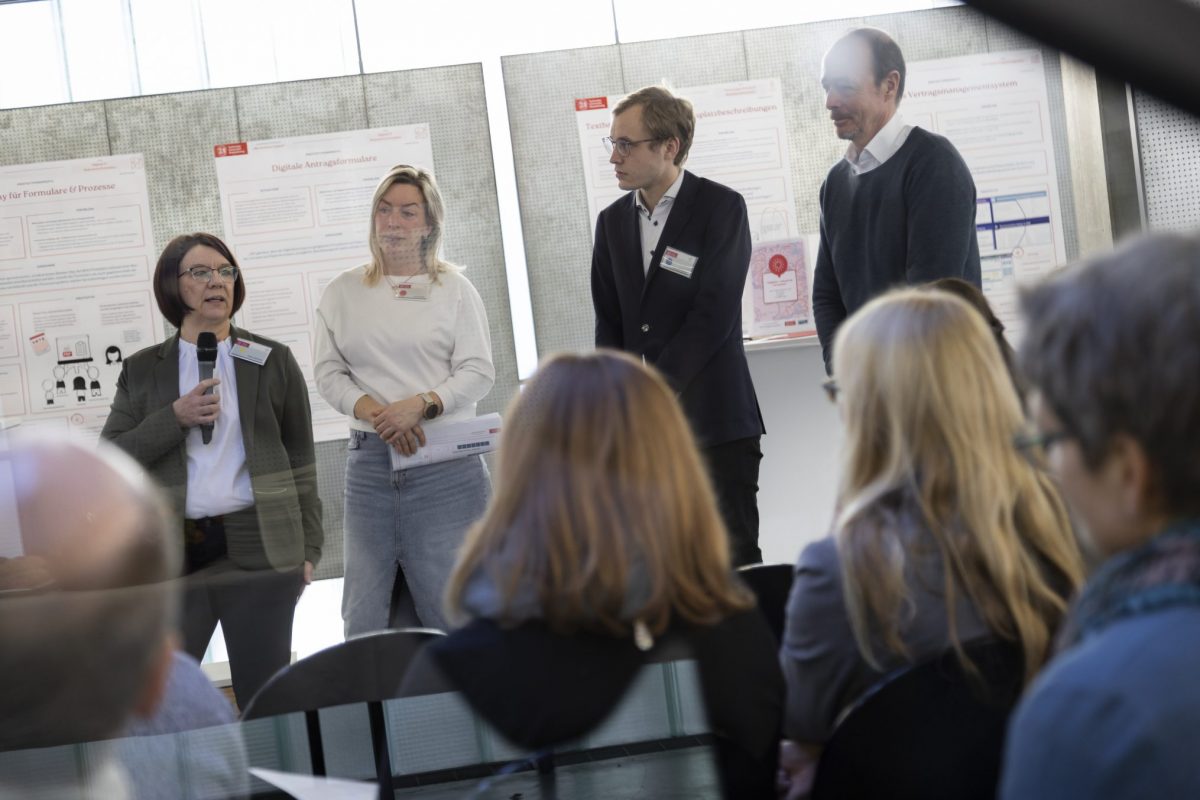
Team presentation "Central Procurement Warehouse". Photo credit: TU Braunschweig/Project House_Alicia-Sophie Bleyer
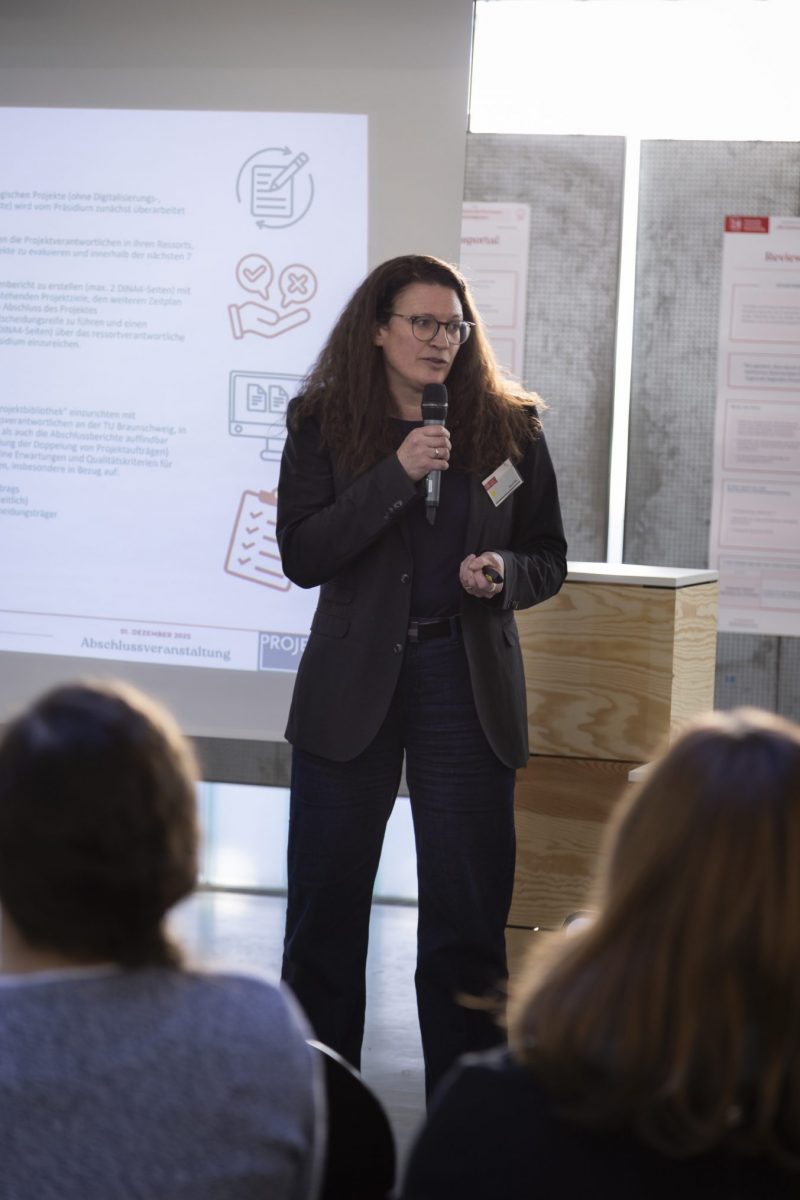
Team presentation "Retaining staff". Photo credit: TU Braunschweig/Project House_Alicia-Sophie Bleyer
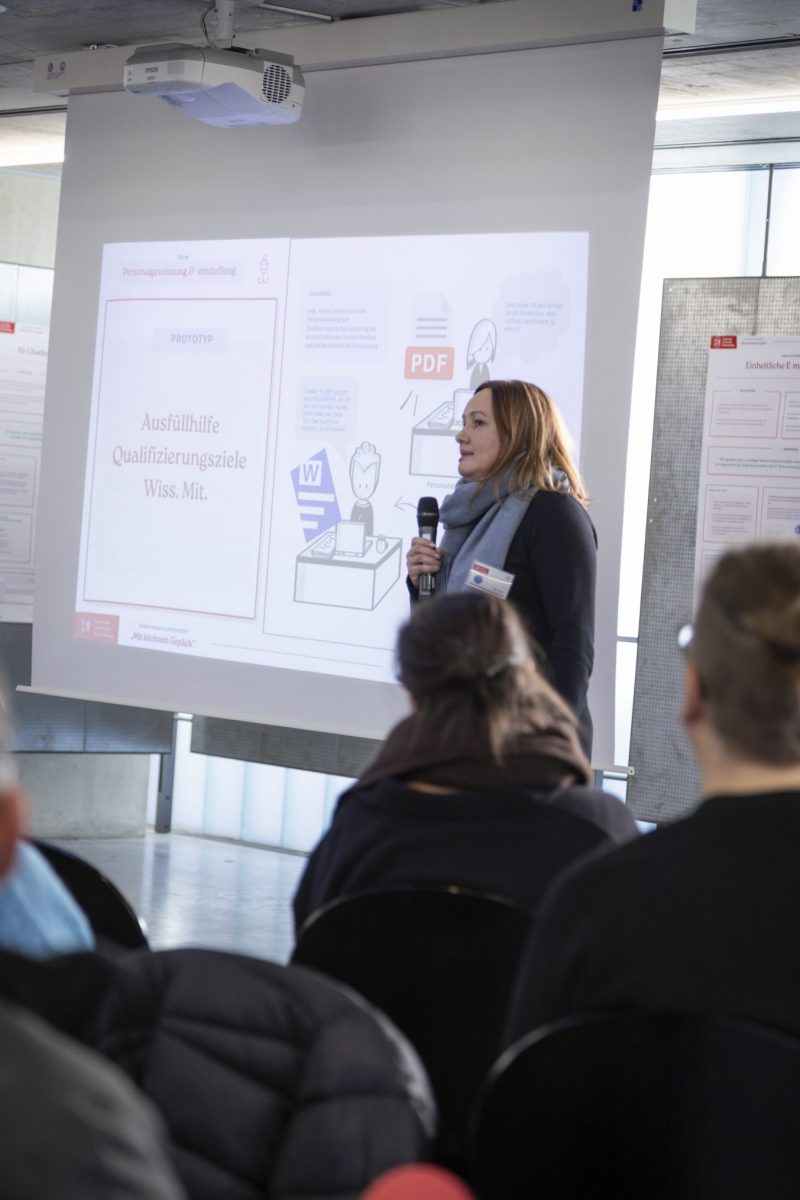
Team presentation "Recruitment & Hiring Processes". Photo credit: TU Braunschweig/Project House_Alicia-Sophie Bleyer
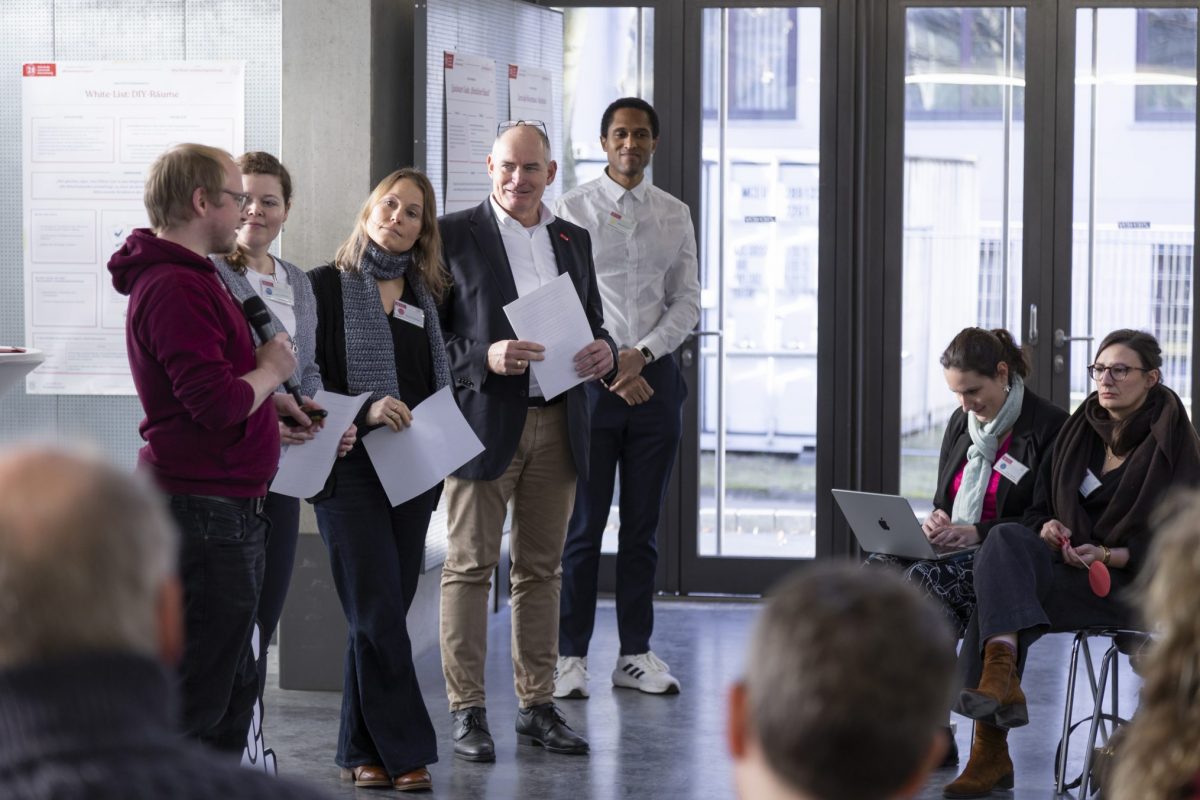
Team presentation "Support instead of control". Photo credit: TU Braunschweig/Project House_Alicia-Sophie Bleyer
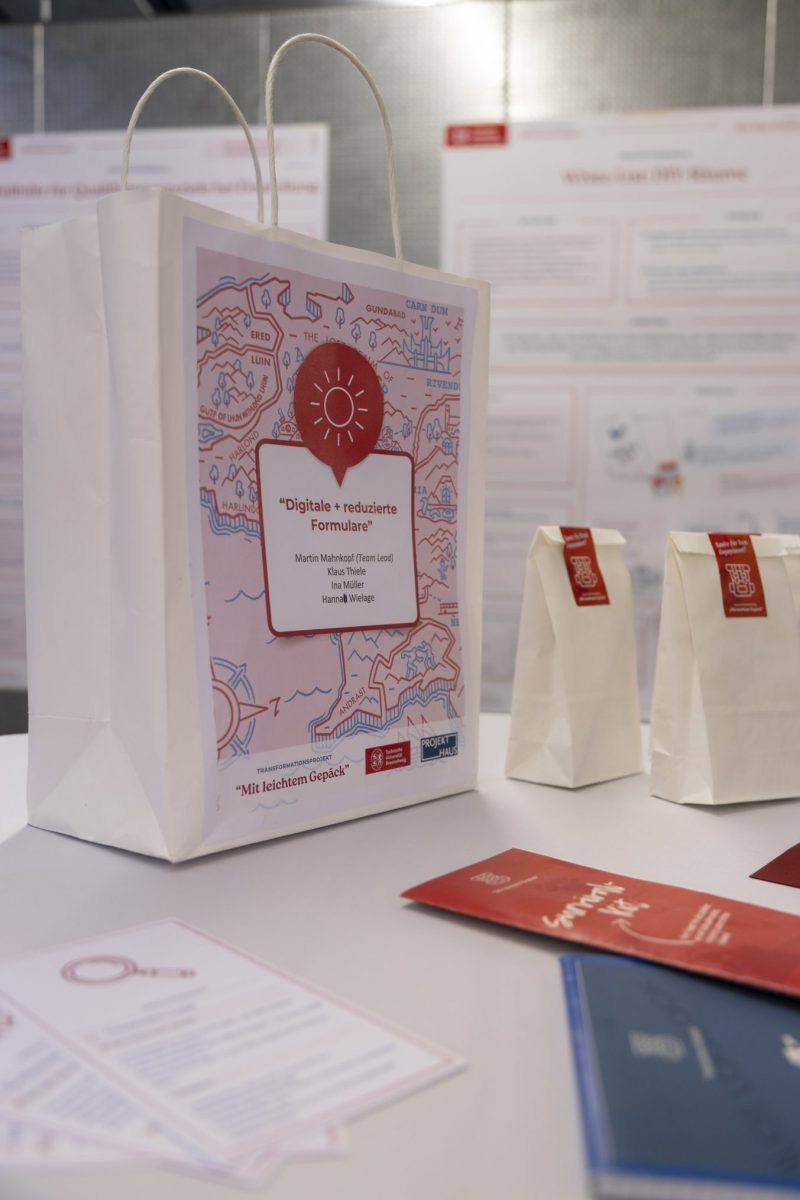
Project materials from the expedition. Photo credit: TU Braunschweig/Project House_Alicia-Sophie Bleyer
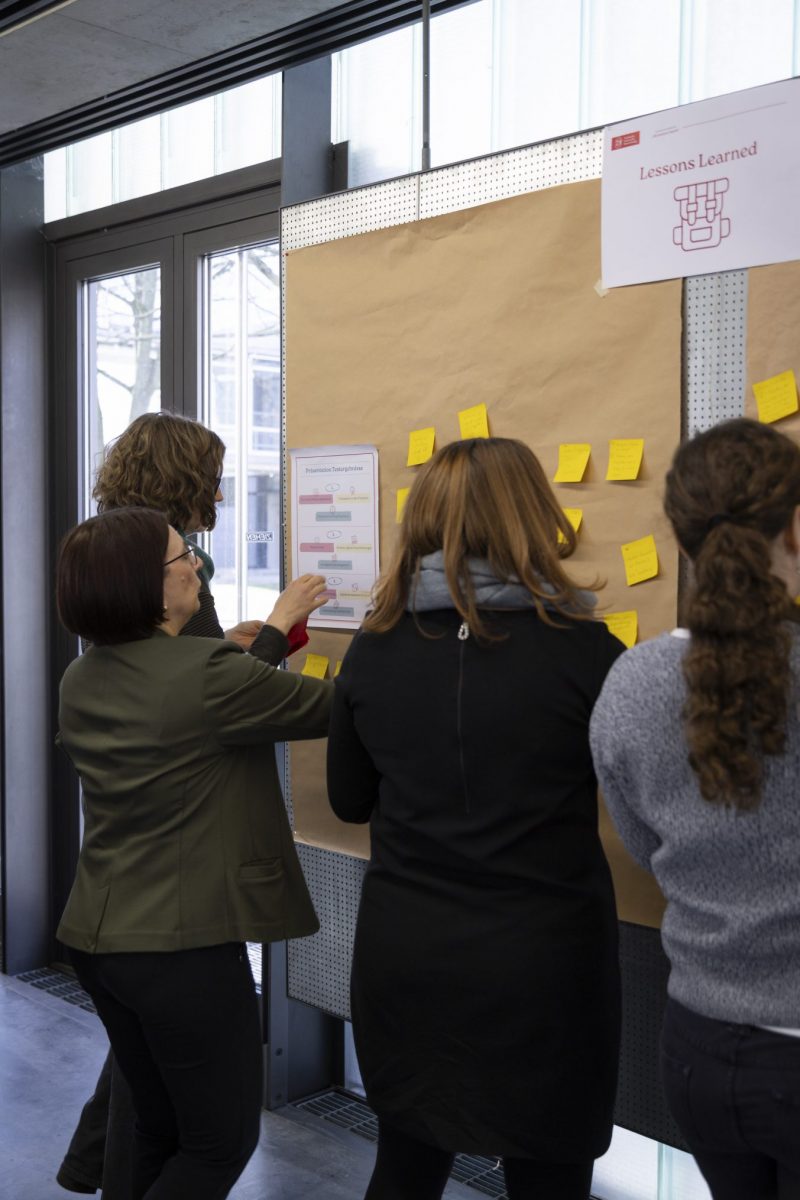
Feedback wall for the process. Photo credit: TU Braunschweig/Project House_Alicia-Sophie Bleyer
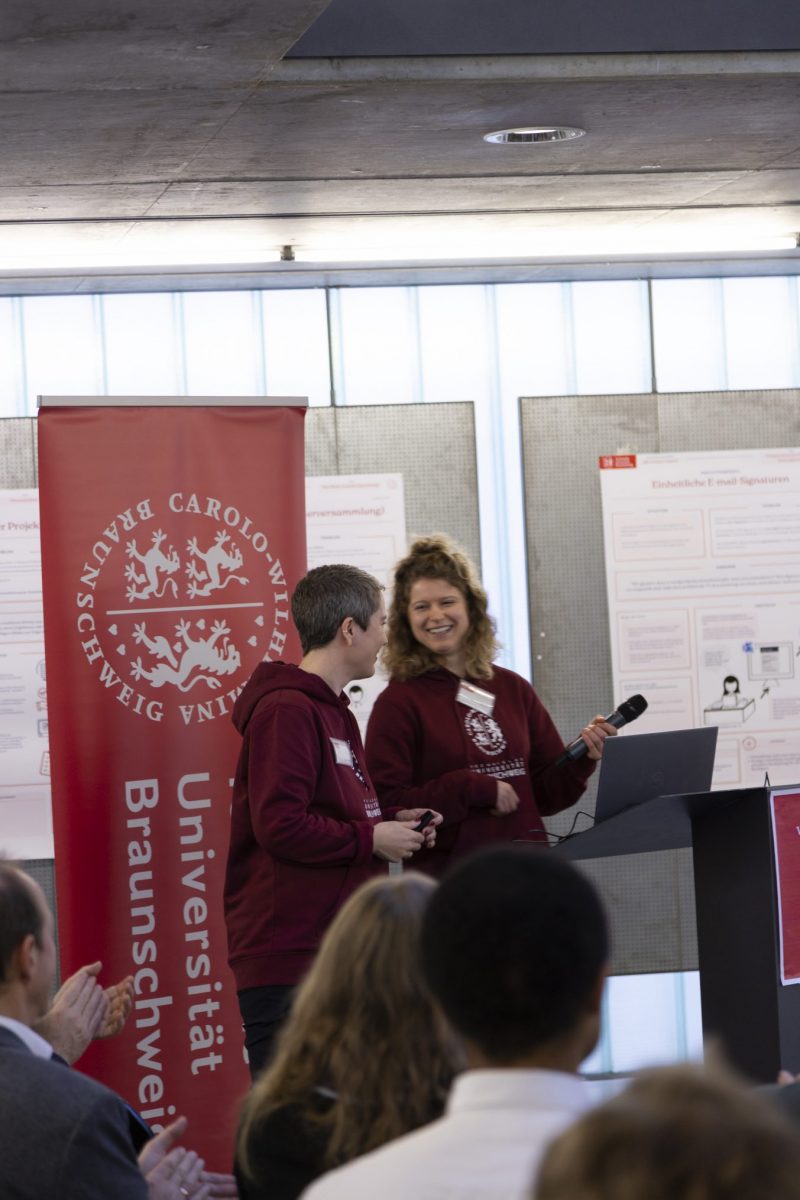
Process facilitators looking back on the joint expedition. Photo credit: TU Braunschweig/Project House_Alicia-Sophie Bleyer
What had happened up to that point?
Over a period of seven months, more than 50 staff members from administration and science went on an “expedition” together. Working in nine teams, they focused on different areas to streamline internal administrative processes – not just for themselves, but for everyone who works here. They successfully applied the principle of co-creation, which means they didn’t just work together – they designed things together. This included developing prototypes, i.e. directly implementing draft solutions and testing them with future users. At the interim event in October 2025, 22 prototypes were presented and tested in real-world operations after receiving feedback from colleagues. Following this seven-week testing phase, the teams made recommendations at the final event in January 2026 regarding which prototypes should be presented to the Senate for further development. They also recommended which prototypes could be allowed to “fail” in a positive sense or were not yet mature. This is because the project concept involves quickly identifying ideas that are not as useful as initially thought, rather than spending a long time developing concepts that may ultimately be abandoned.
What has been created? Three exemplary prototypes
The team has now reached the end of its journey. To illustrate this, we present three prototypes as examples. All others can be viewed on the project website.
Prototype 1: Central procurement/warehouse
Even “simple” procurement, which involves market research and obtaining three comparative quotes, is time-consuming for employees. According to internal evaluations, this can account for over 70% of procurement procedures, depending on the working group. The team therefore asked itself: How can this large majority of “simple” procurements be made as transparent, standardised and user-friendly as possible within the legal framework? To this end, they tested the use of a digital marketplace in the form of an online platform that complies with public procurement law. The test phase resulted in significant simplification and considerable time savings for not only the procuring institutions, but also the accounting department.
Prototype 2 Recruitment and hiring processes
The team had noticed that institute secretariats and Heads of the institutes often do not know what happens to the documents after they are sent from the institute until the employment contract can be signed, or who is responsible for each step in the process. There was also uncertainty regarding the qualification requirements and job descriptions for research assistant positions, which meant that the human resources department could not process applications without further enquiries. The team asked itself: How can we ensure greater transparency and guidance within the TU’s recruitment processes, and significantly reduce the number of enquiries?
This resulted in three aids (here and here): a flow chart that clearly illustrates the entire recruitment process, suggested wording for the job descriptions of academic staff during the recruitment process, which makes it easier to create them and reduces the amount of work required to adapt them, and a completion guide for formulating qualification goals in recruitment applications for academic staff. Tests have shown that all three are seen as helpful and reduce the number of queries to the HR department.
Prototype 3 Support instead of control
The team had noticed that employees were sometimes unaware of the strict framework conditions and rules that other departments had to follow. Even if a department only wants to provide support and has to ask specific questions to do so, employees may feel uncomfortable about the level of control and micromanagement involved. The team asked themselves, “Do personal insights into other departments help develop a better understanding?”
To find out, they tested job shadowing as a format. Employees spent up to a whole working day in another department. There, they learned about typical work processes, participated in meetings, and shared experiences. The results showed that understanding and the sense of togetherness were both significantly strengthened.
The future is a team sport
In addition to these tangible results, it was the soft factors above all that led to the success of “Travelling Light”. When asked which word they would use to describe the added value of the project, the team members mentioned the following words, among others: togetherness, connectedness, change of perspective, efficiency, openness, across boundaries, free thinking, cohesion, networking, sense of unity. From the outset, a special feature of the “Travelling light” project was that the challenge of “administrative innovation” was not divided into “centralised” and “decentralised”, nor was it placed on one side as “administration” and on the other as “research”. Instead, work was consistently carried out in interdisciplinary teams.
Process facilitator Sarah Zerwas comments: “As a transformation designer, I have often noticed that even when people want change, they can become defensive. Harvard researchers Robert Kegan and Lisa Lahey have termed this psychological phenomenon “immunity to change”. It happens when we feel alone. To counteract feeling overwhelmed, it helps to experience connection and community. The quote “The future is a team sport!” fits well here. And the “Travelling light” project team was really great.”
The joint evaluation by the participants also clearly showed that many appreciated the interdisciplinary nature of the research and administrative teams, as well as the different perspectives gained. The project support provided by Project House was also repeatedly praised for its neutral moderation, additional voluntary workshops, data collection, creative support and flexible organisational framework. The pragmatic cooperation (“courage to be concise”) and the clear timeframe were also praised. If the project were to take place again, some would like to see a longer test phase and the earlier involvement of external guests.
Process facilitator Madita Olvermann looks back wistfully on the end of the project: “I really noticed that it makes me sad that the project is now over. The project thrived on the fact that committed individuals contributed their energy and creative enthusiasm. We owe them our thanks because they brought the project to life. It was every process facilitator’s dream. I am excited to see how the implementation will take shape, and I would like to continue to be involved with the topic of “administrative innovation”!”
What happens next?All prototypes have now been presented to the Senate for positive acknowledgement and are with Vice-President Dietmar Smyrek, the project initiator, for final review. Any follow-up questions regarding responsibilities, timing, etc. will now be clarified promptly, after which implementation will begin. However, this will no longer take place within the framework of the project. The “Travelling light” team will meet again in early summer 2026 to review the project’s status. After all, an idea is of little value without implementation.
Text: Madita Olvermann & Sarah Zerwas