Changemakers in administration The ‘Alter Verwalter’ networking event: a successful trial
The gold lies in exchange and cooperation – this was the guiding principle behind the recent interactive networking event ‘Alter Verwalter’. The aim of the event was to highlight the potential for innovation in administrative structures and to bring committed stakeholders together. It was funded by the Ecoversity Hub at TU Braunschweig from the ‘Spaces for Cultures’ and ‘Ecoversity – Spaces for Collaboration’ funds of the State of Lower Saxony.
The format was developed as a prototype by the project team of the TU’s internal project ‘Mit leichtem Gepäck’ (Travelling light). The funds were raised by Dr. Madita Olvermann and Sarah Zerwas from the project house on behalf of full-time Vice-President Dietmar Smyrek. Dietmar Smyrek sees a clear connection between the project and the Ecoversity initiative:
“Since the entire ‘Mit leichtem Gepäck’ project thrives on bringing together different perspectives from people in administration and science and generating innovative ideas in new formats, the vision quickly arose in connection with Ecoversity to further develop this in exchange with our partners in the region. The fact that such an inspiring format has emerged is thanks to the team at the project house.”
The range of participating institutions and fields of activity was impressive: represented were nearly 70 administrative staff from the central and decentralised administration of TU Braunschweig as well as from numerous institutions in the regional research ecosystem – including the Helmholtz Centre for Infection Research (HZI), the German Aerospace Centre (DLR), the Braunschweig University of Art (HBK), the Ostfalia University of Applied Sciences, the Physikalisch-Technische Bundesanstalt (PTB), the Thünen Institute, the Julius Kühn Institute (JKI) and the City of Braunschweig. The participants brought with them a wide variety of professional backgrounds, ranging from legal departments and facility management to financial accounting, human resources and procurement.
Inspiration through strong impulses
The interactive exchange formats were accompanied by exciting content from two external speakers:
- Tobias Witt, service designer at CityLAB Berlin, presented the working methods and lessons learned at CityLAB, which is currently driving the transformation of Berlin’s city administration.
- The University of Bern, represented by Dr. Ruth Wiedemann, provided concrete insights into the university-wide strategy programme ‘Fit for Future’ – in particular the role of project portfolio management in modernising administrative processes and further developing university structures.
Energy, initiative and creative drive
The high level of commitment, the palpable enthusiasm for exchange and the intense energy in the room made it clear that many of those present share a common attitude: they see process design as an active contribution to a modern, responsible and effective administration. The picture gallery shows the dynamism, openness and joy of exchange that characterised the event.
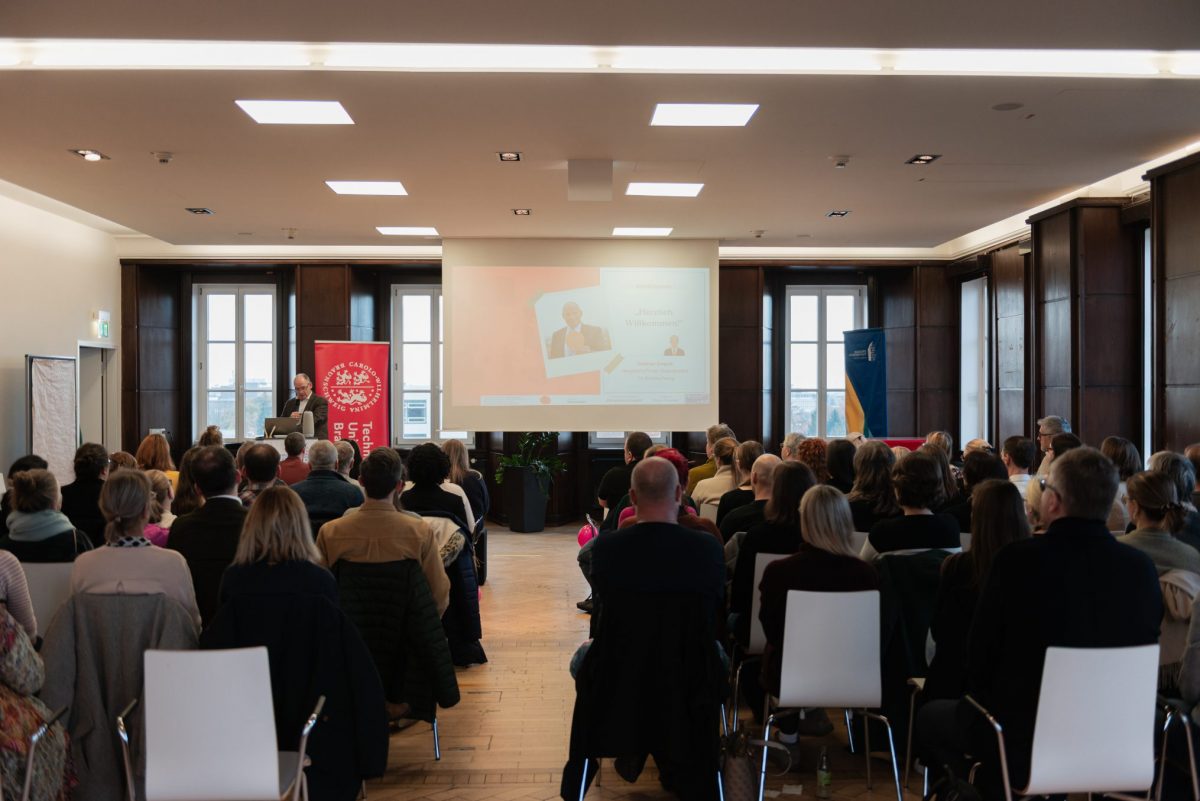
Welcome by Dietmar Smyrek, Vice President for Human Resources, Finance and Infrastructure at TU Braunschweig. Photo credits: Stark & Shakupa/TU Braunschweig
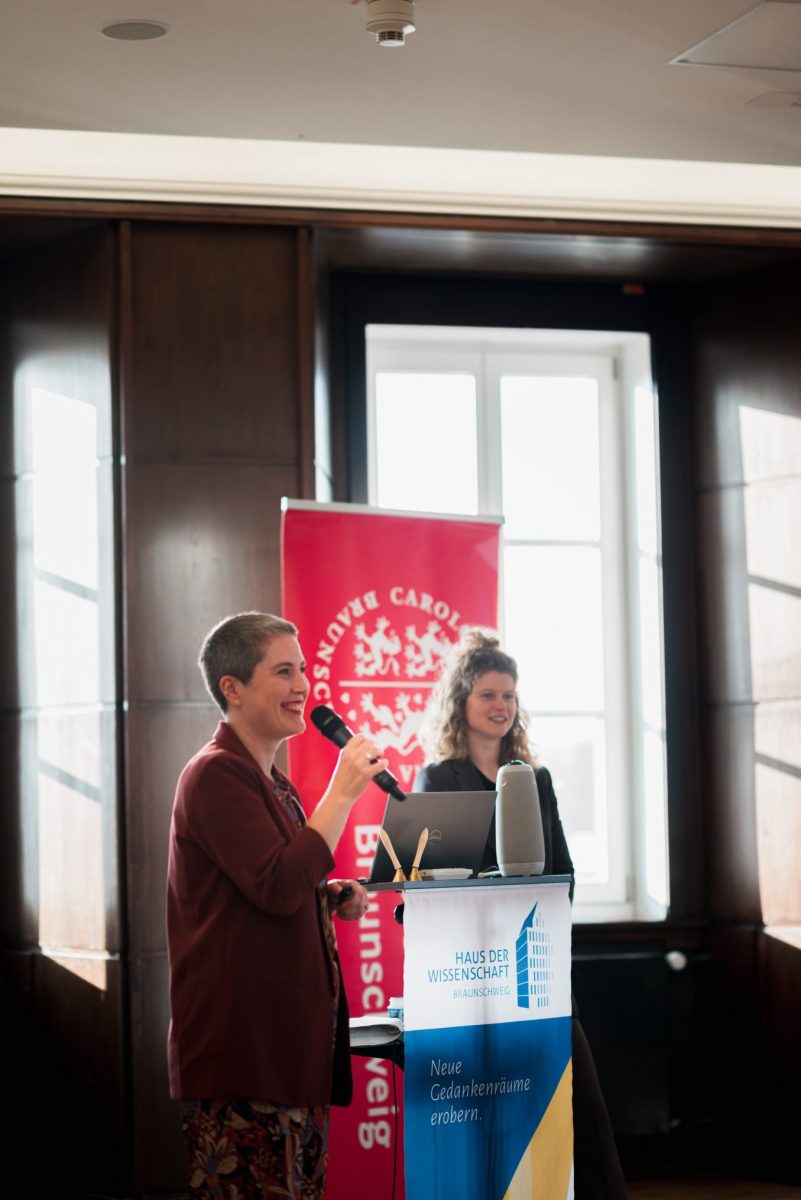
Event coordinators Sarah Zerwas (left) and Madita Olvermann (right). Photo credits: Stark & Shakupa/TU Braunschweig
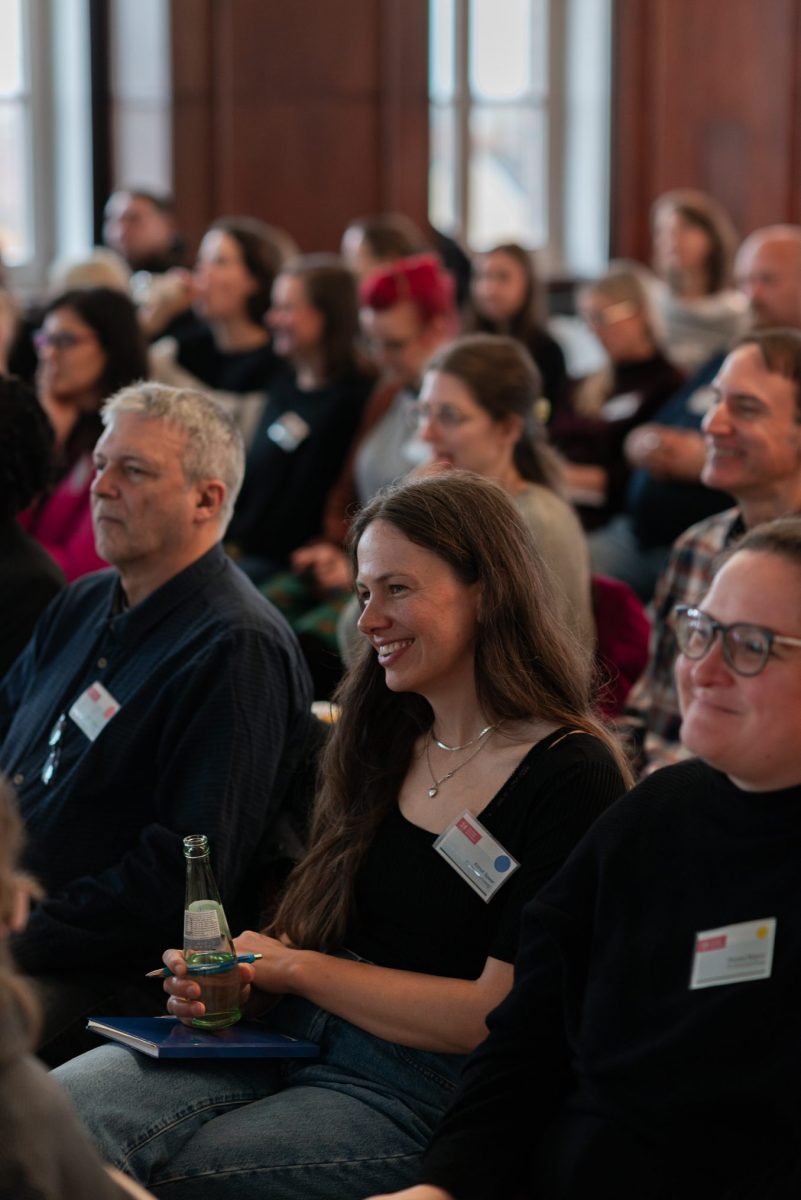
The workshop was well attended. Photo credits: Stark & Shakupa/TU Braunschweig
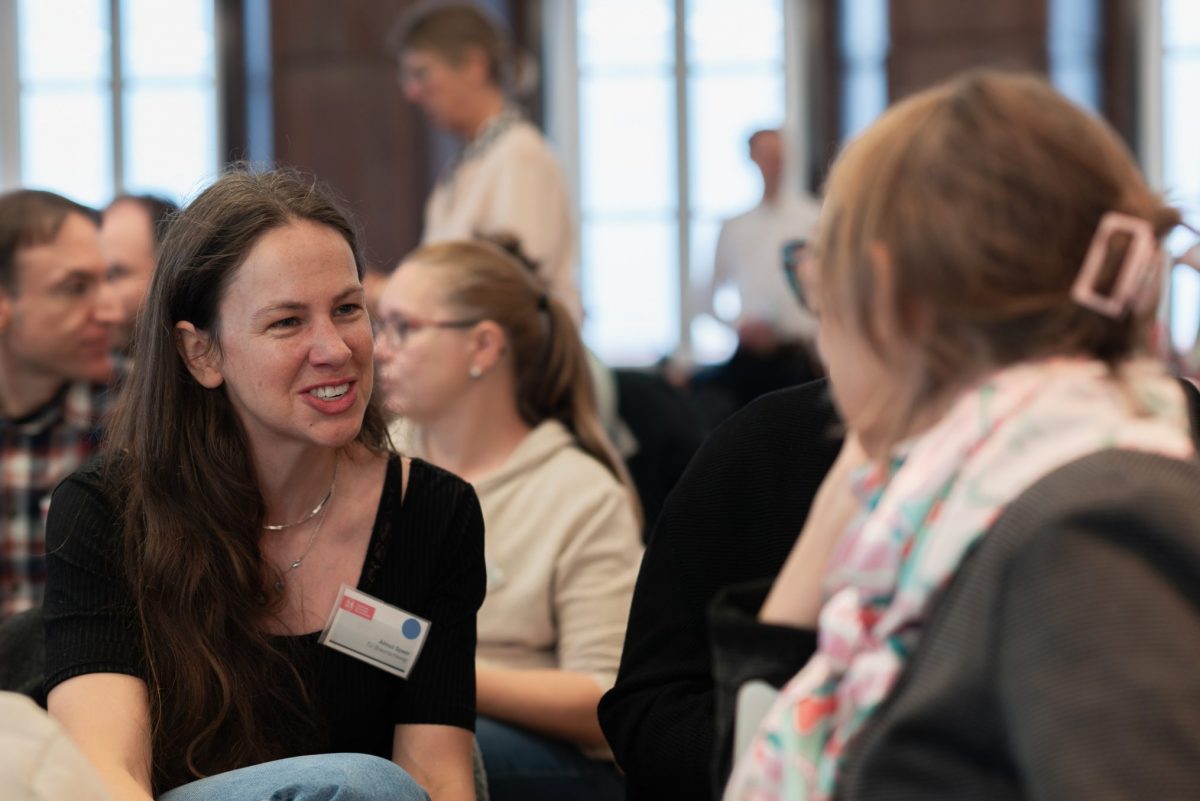
The event kicked off with check-in discussions among the participants. Photo credits: Stark & Shakupa/TU Braunschweig
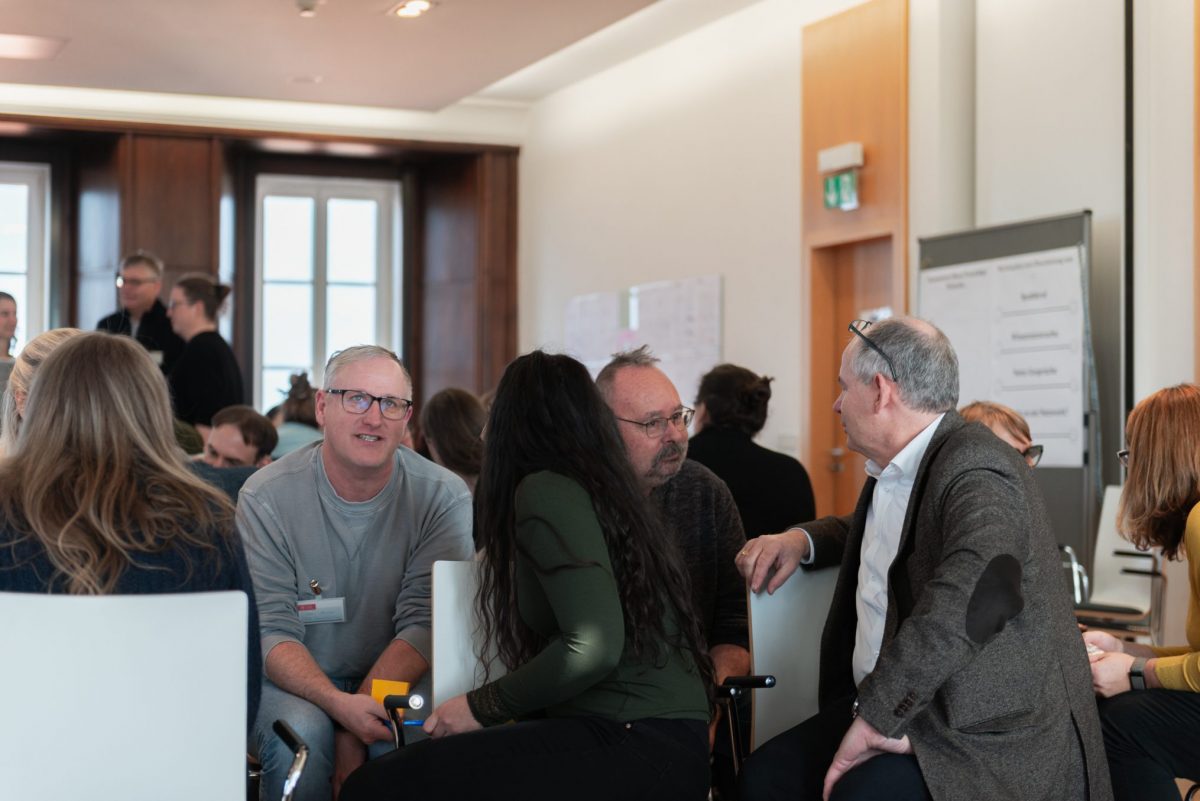
The check-in question was: "What do you associate – positively or critically – with the word 'changemaker'?" Photo credits: Stark & Shakupa/TU Braunschweig
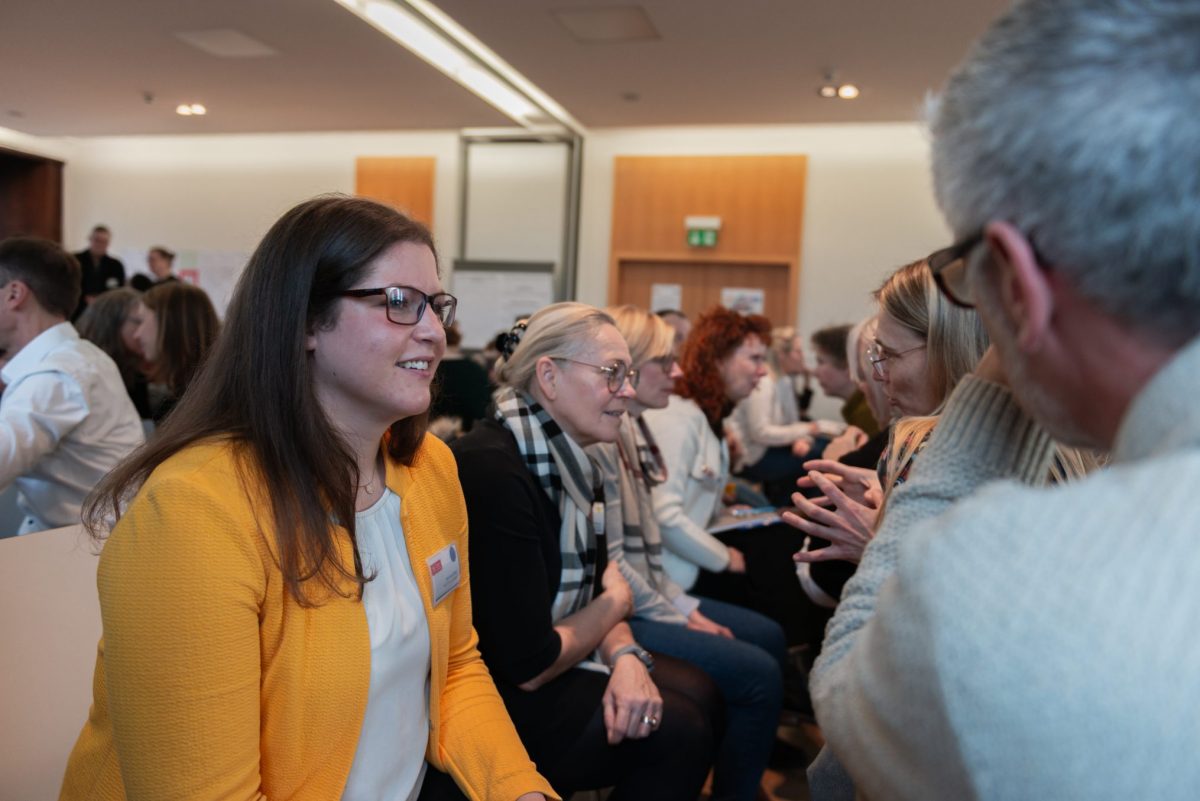
This led to lively discussions. Photo credits: Stark & Shakupa/TU Braunschweig
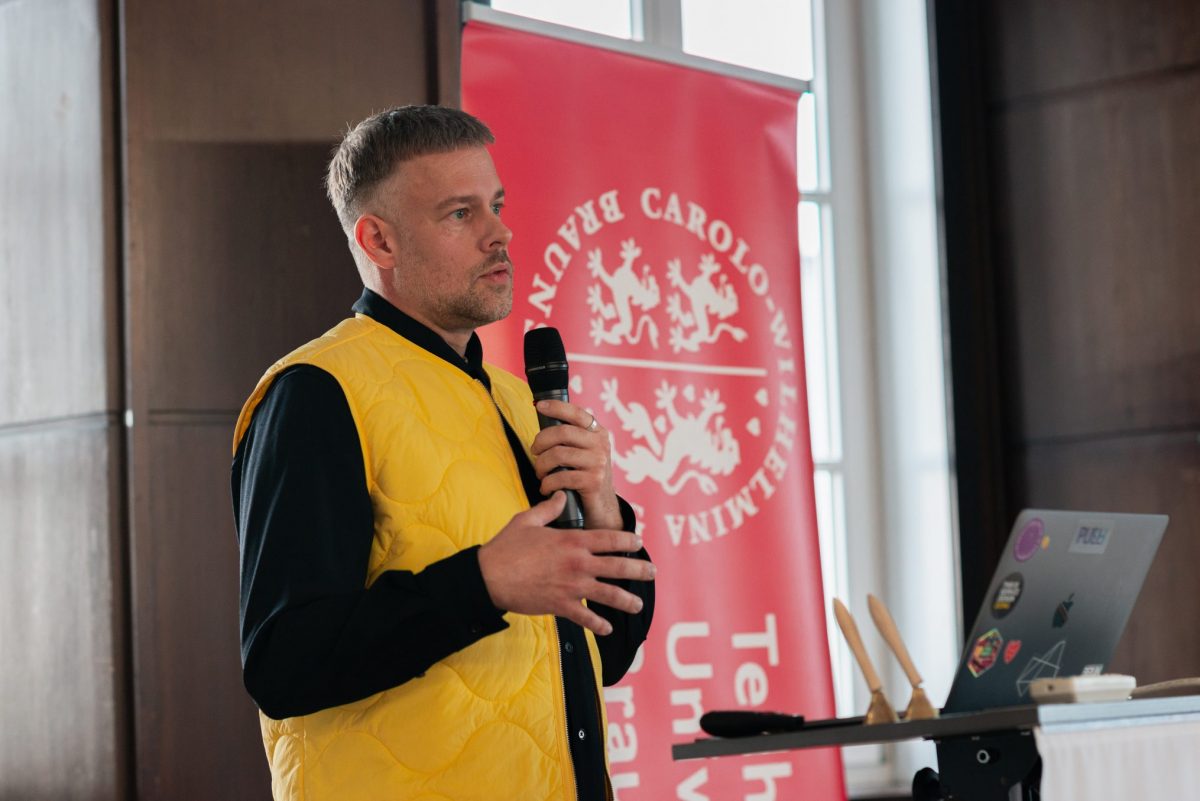
Tobias Witt, initiator from CityLAB Berlin. Photo credits: Stark & Shakupa/TU Braunschweig
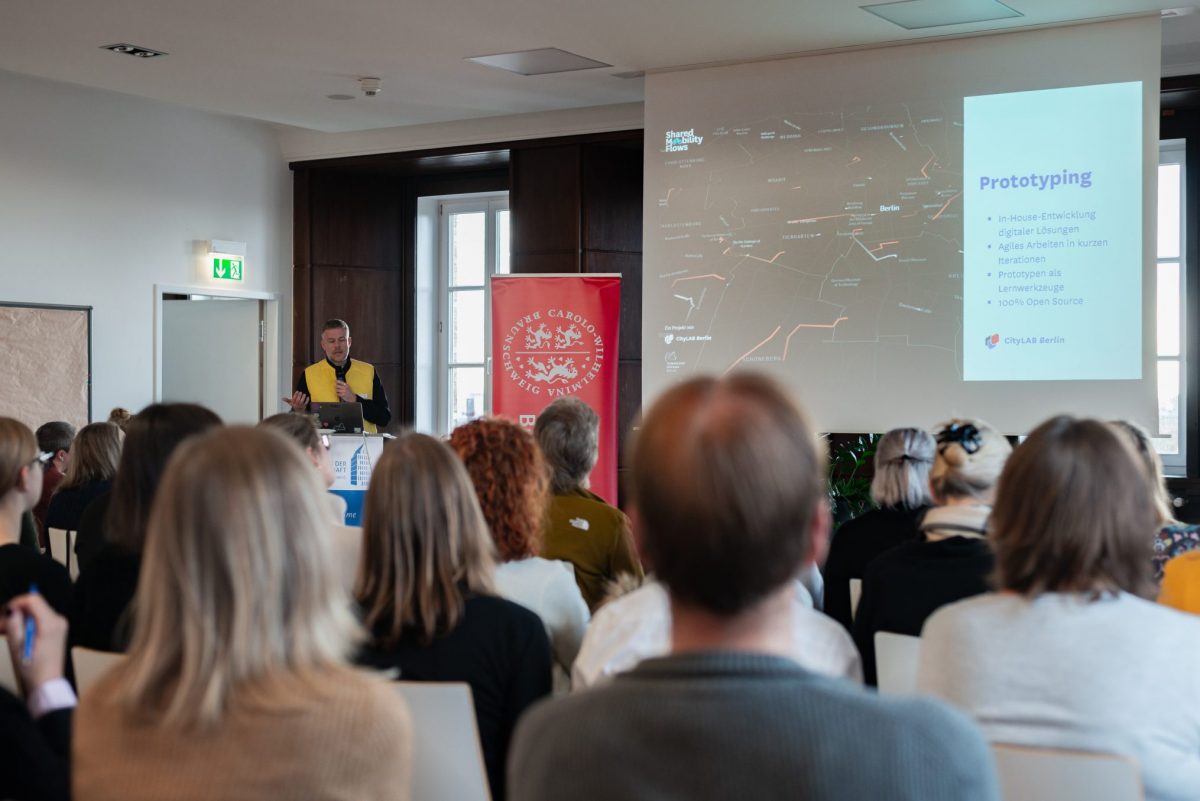
Tobias Witt presents the working principle of prototyping at CityLAB Berlin. Photo credits: Stark & Shakupa/TU Braunschweig
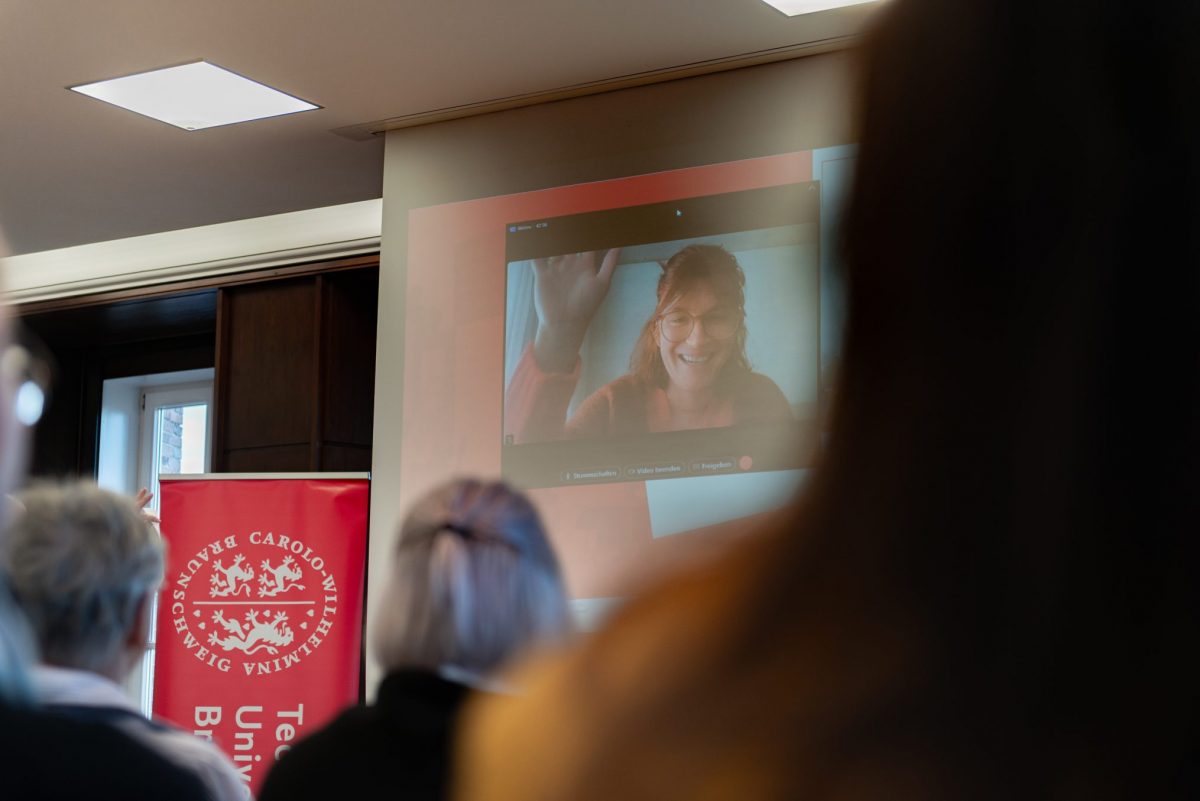
Dr. Ruth Wiedemann as an initiator of the University of Bern. Photo credits: Stark & Shakupa/TU Braunschweig
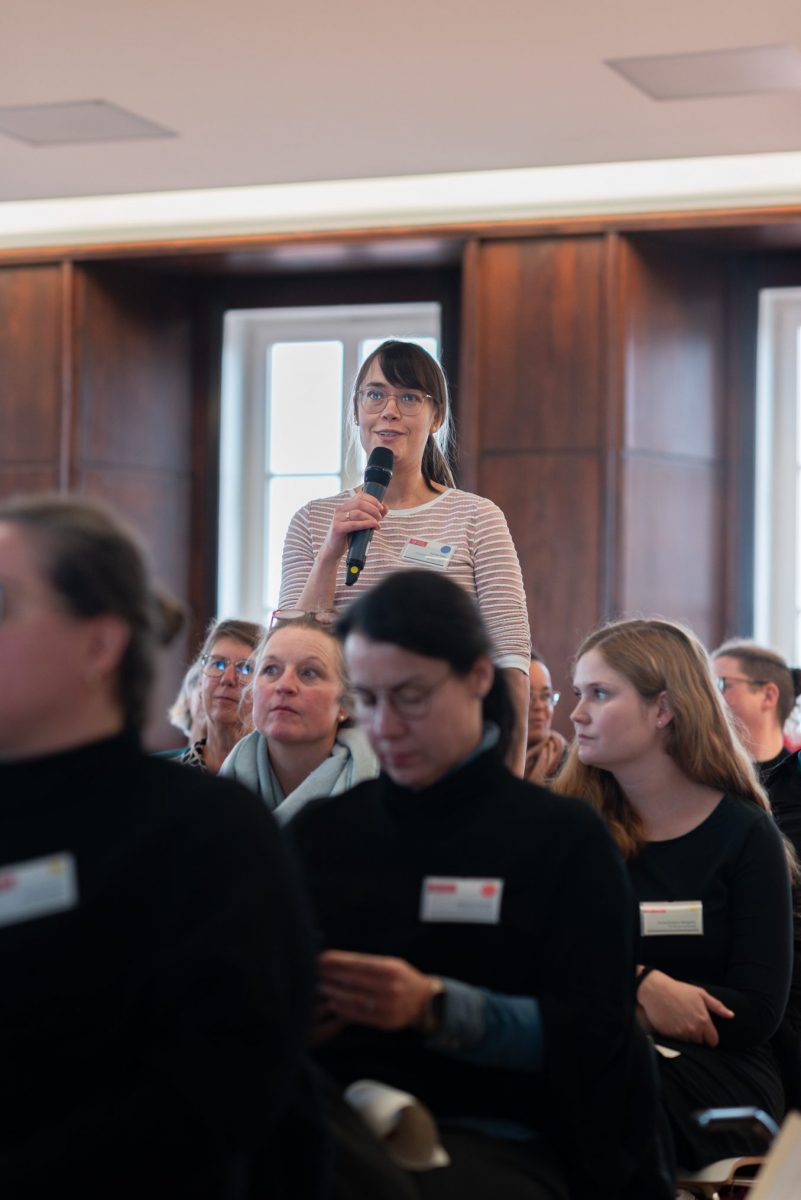
There was also time for questions from the audience. Photo credits: Stark & Shakupa/TU Braunschweig
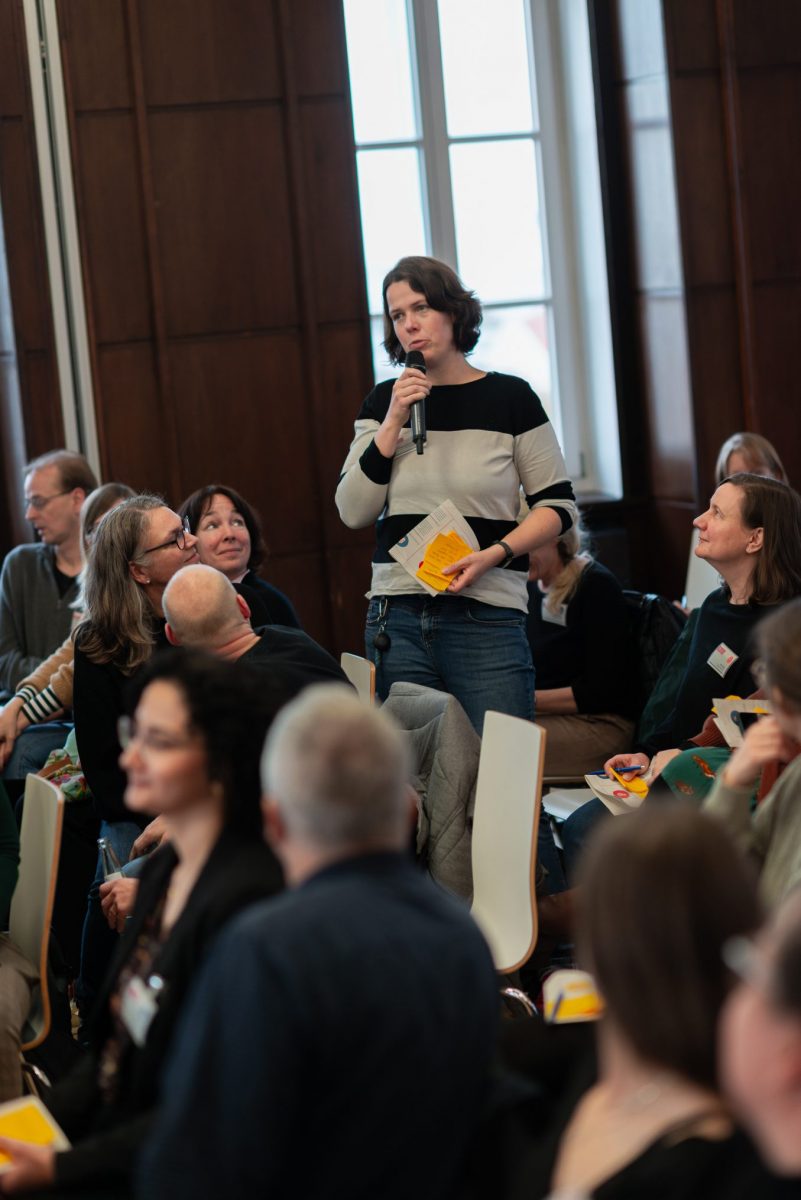
The audience provided some spotlights. Photo credits: Stark & Shakupa/TU Braunschweig
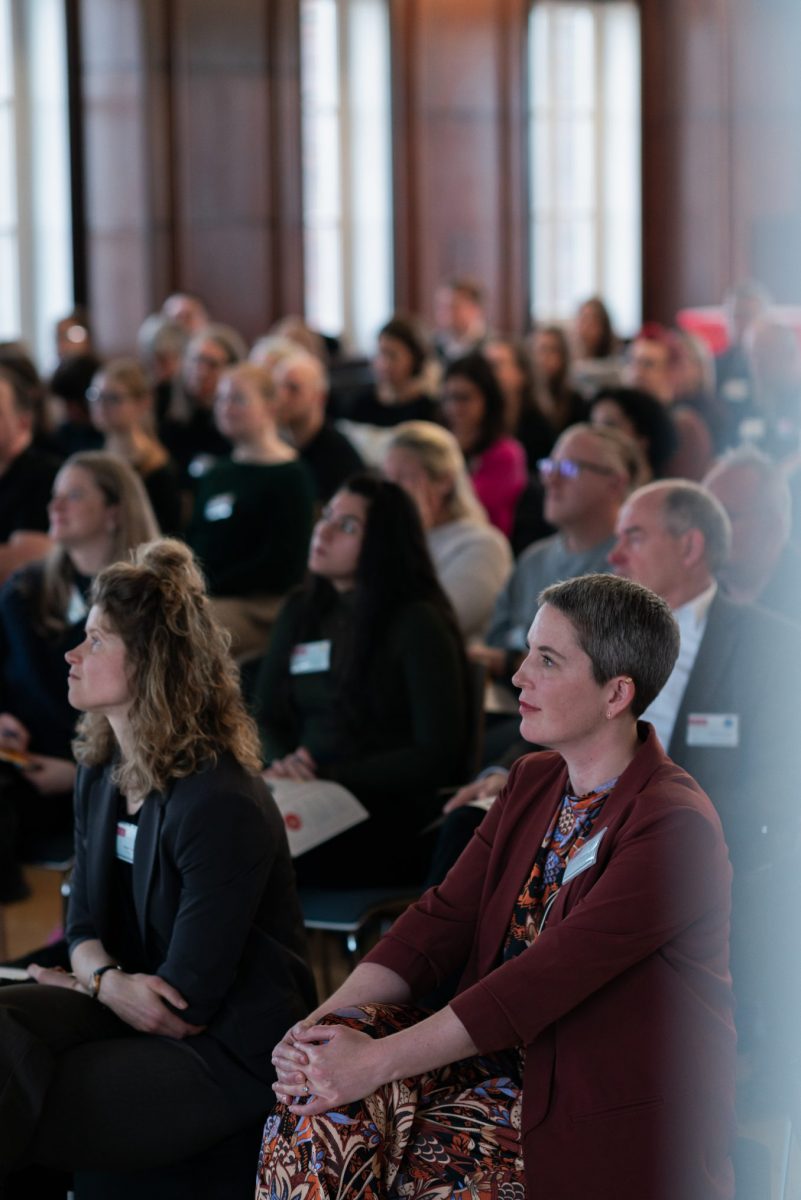
The audience listened intently to the presentations. Photo credits: Stark & Shakupa
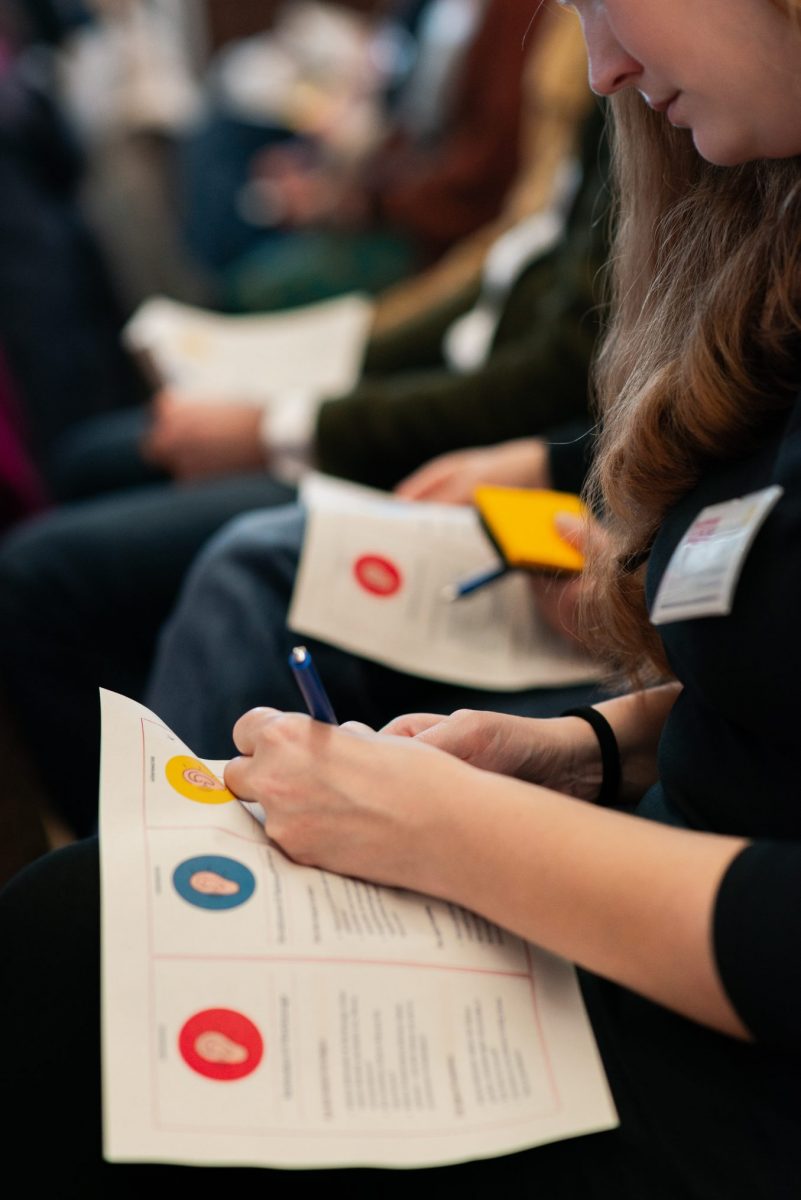
Listening windows helped with focused listening. Photo credits: Stark & Shakupa/TU Braunschweig
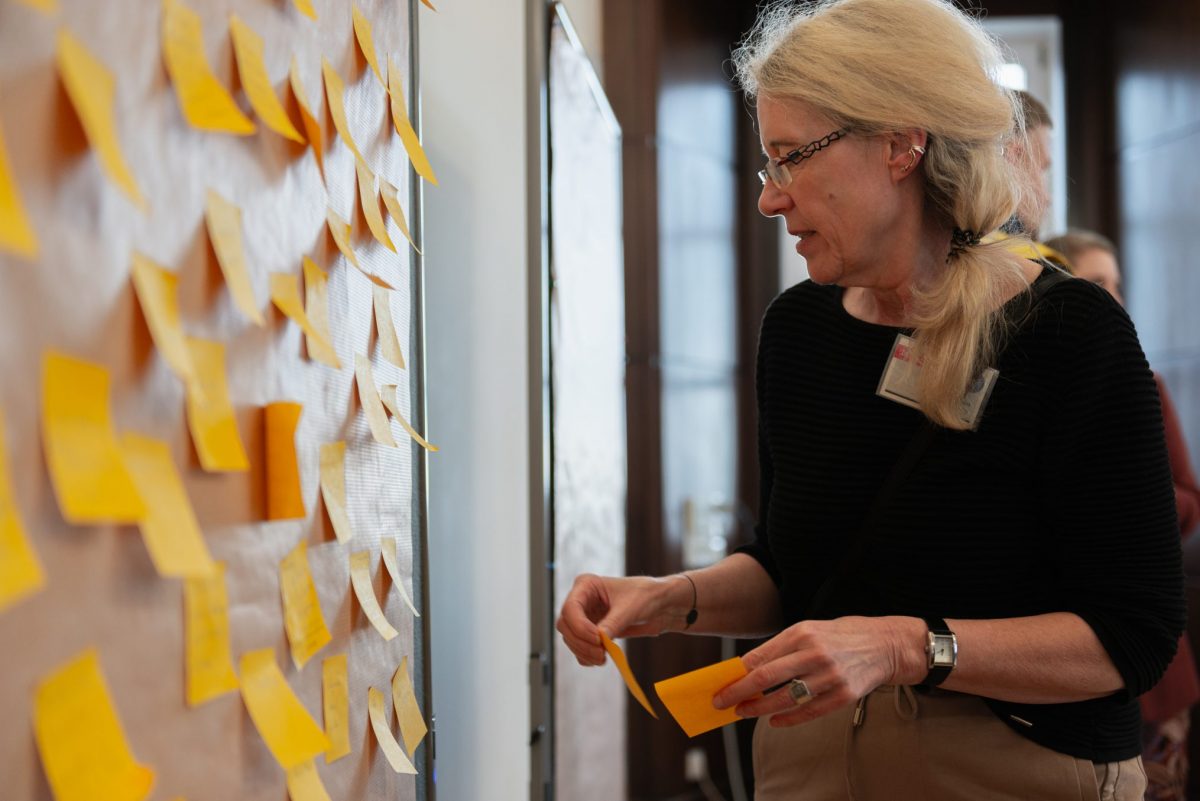
The memory bank for messages from guests. Photo credits: Stark & Shakupa/TU Braunschweig
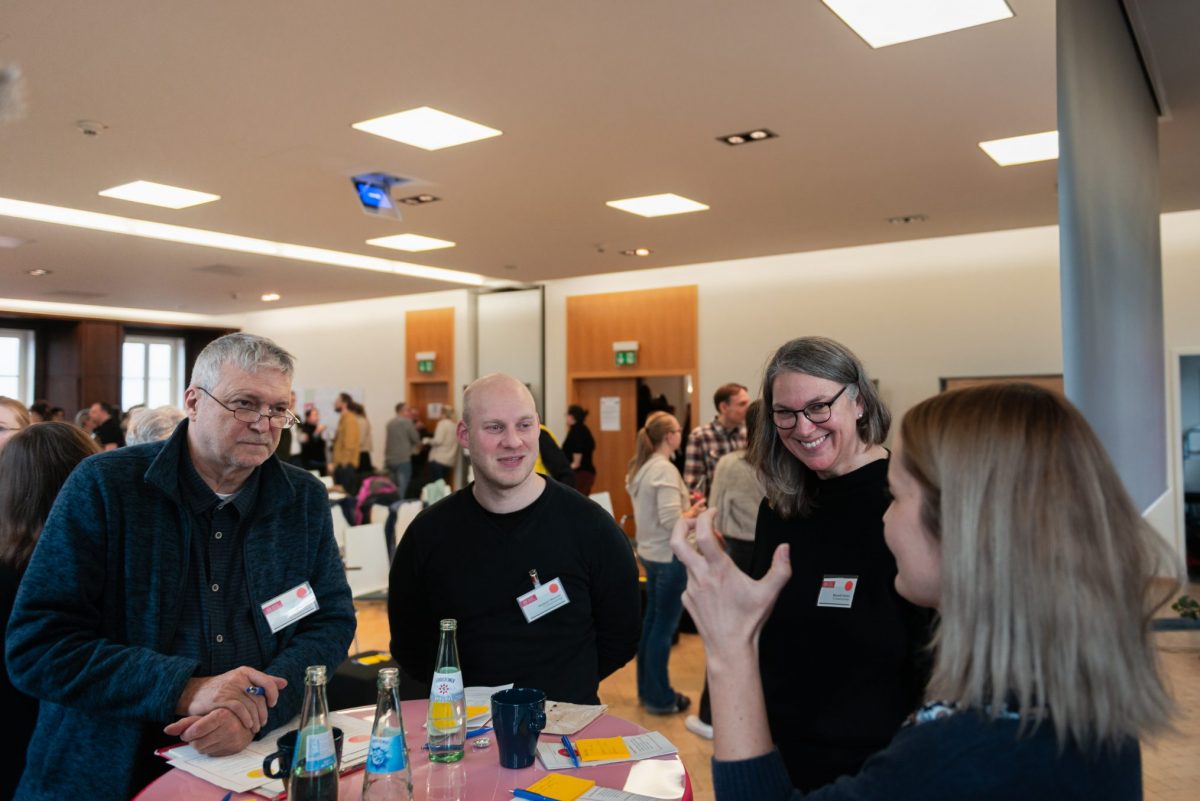
The transfer sessions also provided an opportunity for exchange. Photo credits: Stark & Shakupa/TU Braunschweig
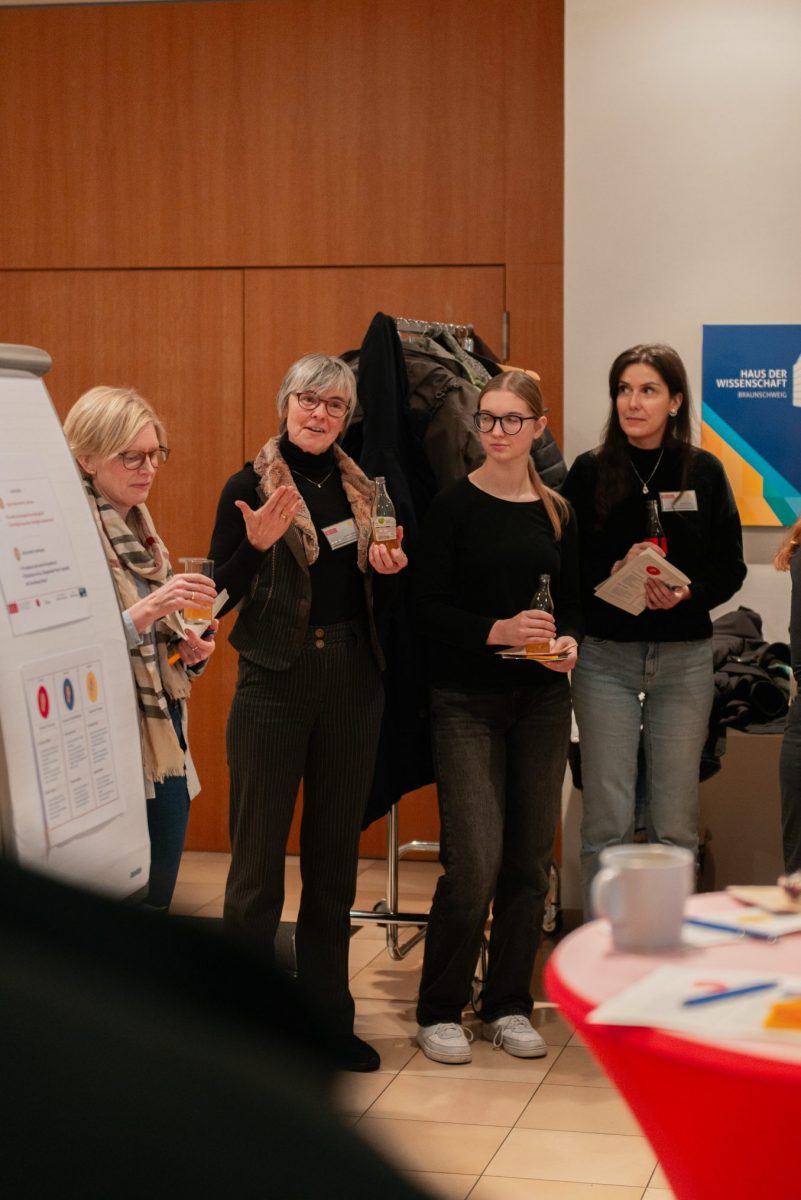
There was a lot to discuss. Photo credits: Stark & Shakupa/TU Braunschweig
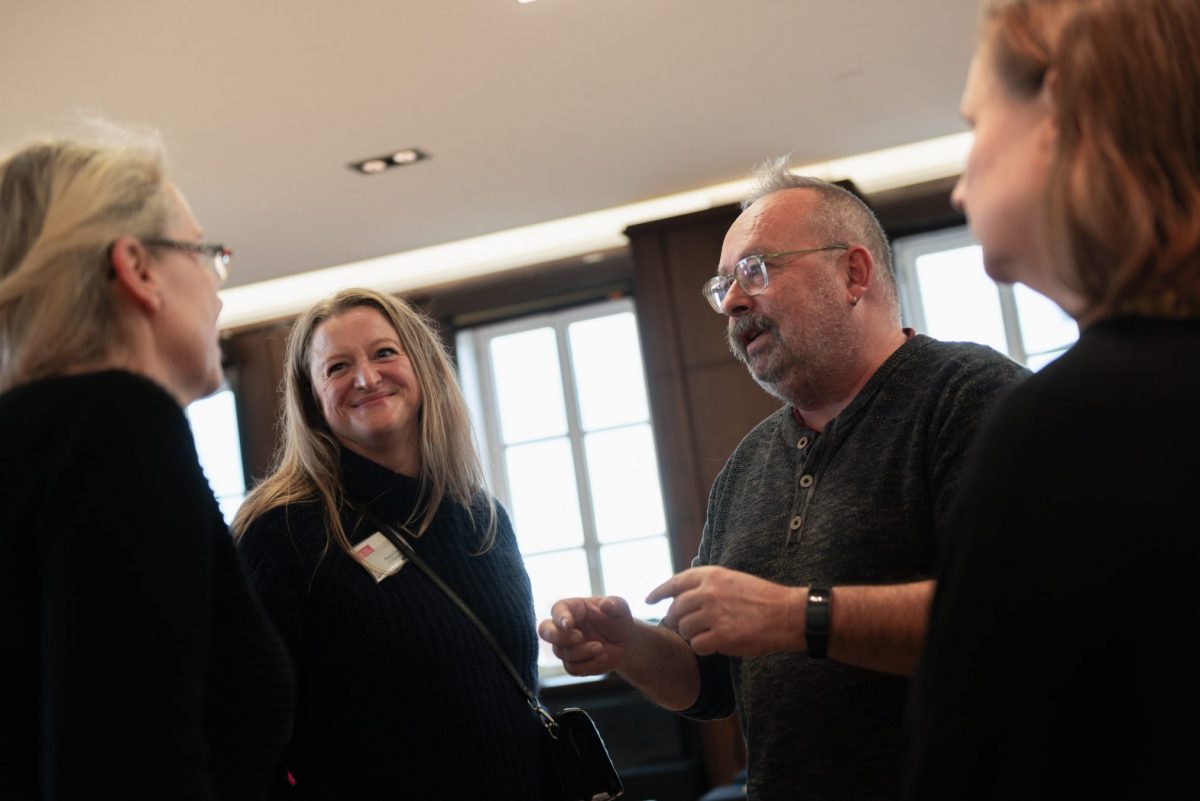
The participants eagerly seized the opportunity to exchange ideas. Photo credits: Stark & Shakupa/TU Braunschweig
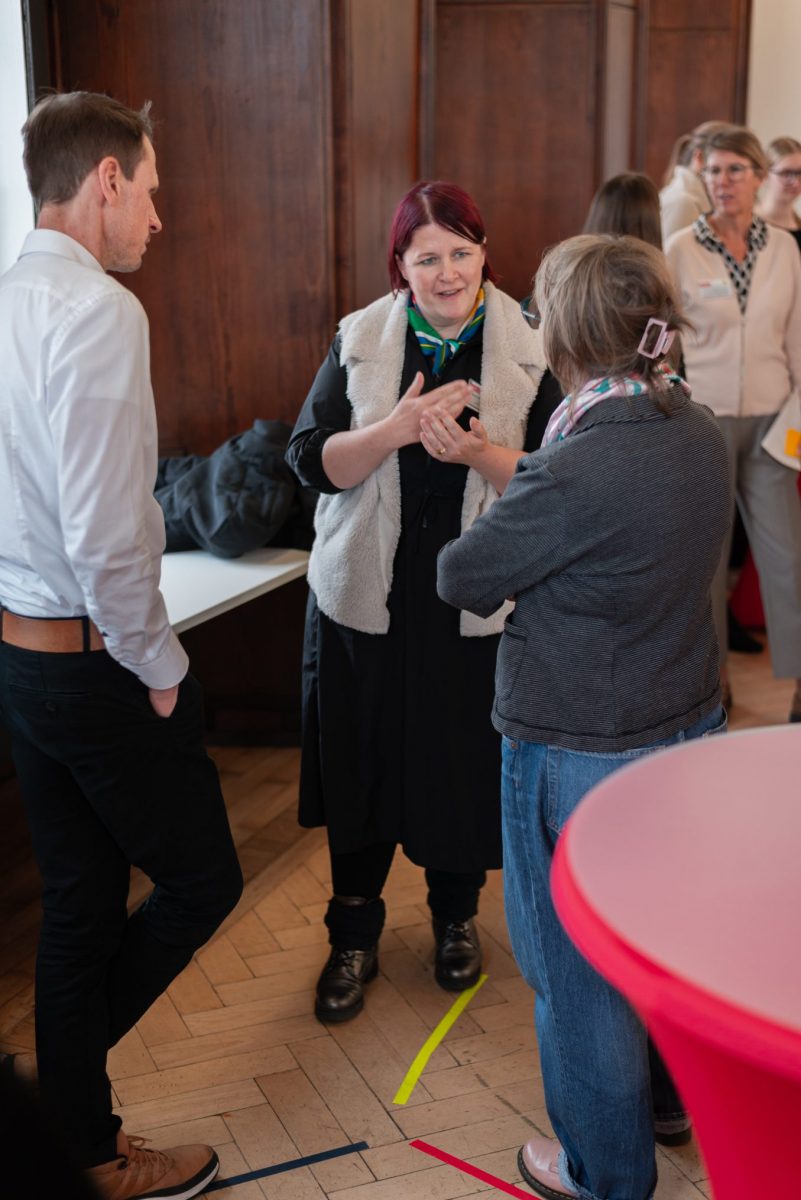
There were many lively discussions. Photo credits: Stark & Shakupa/TU Braunschweig
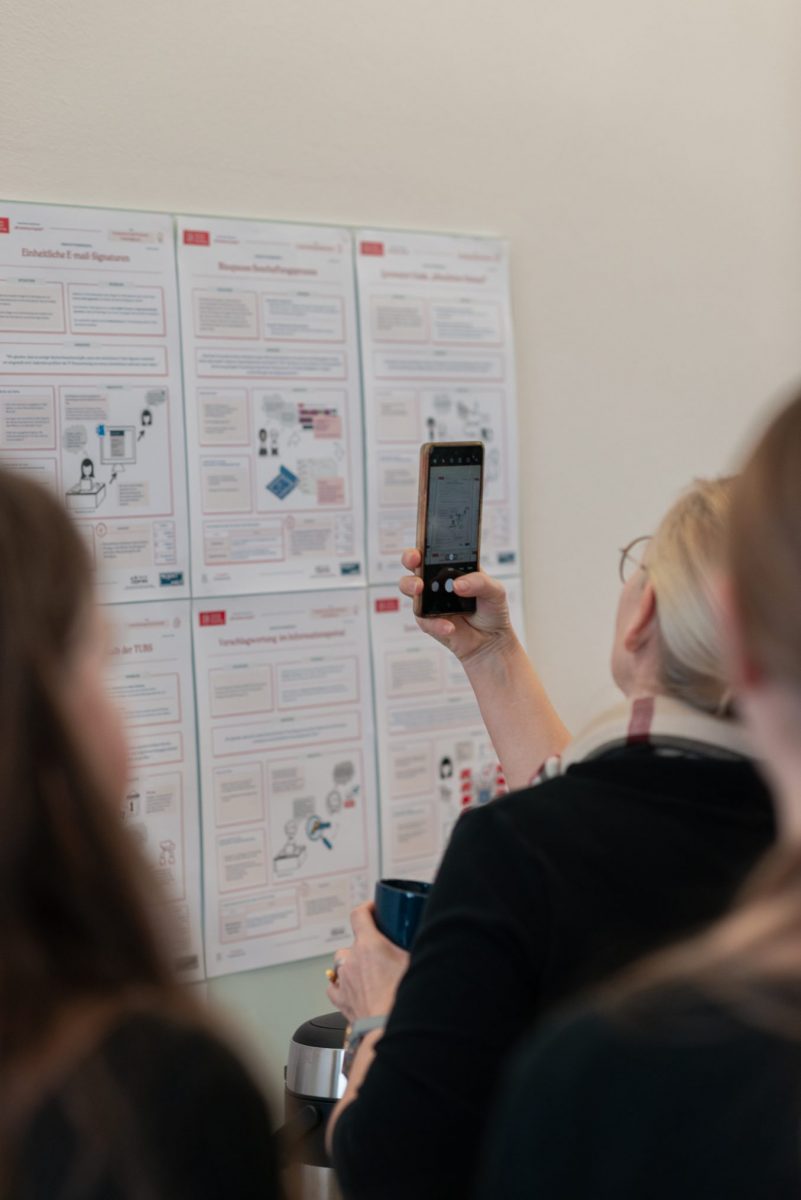
Exhibition of prototypes from the project – Travelling light. Photo credits: Stark & Shakupa/TU Braunschweig
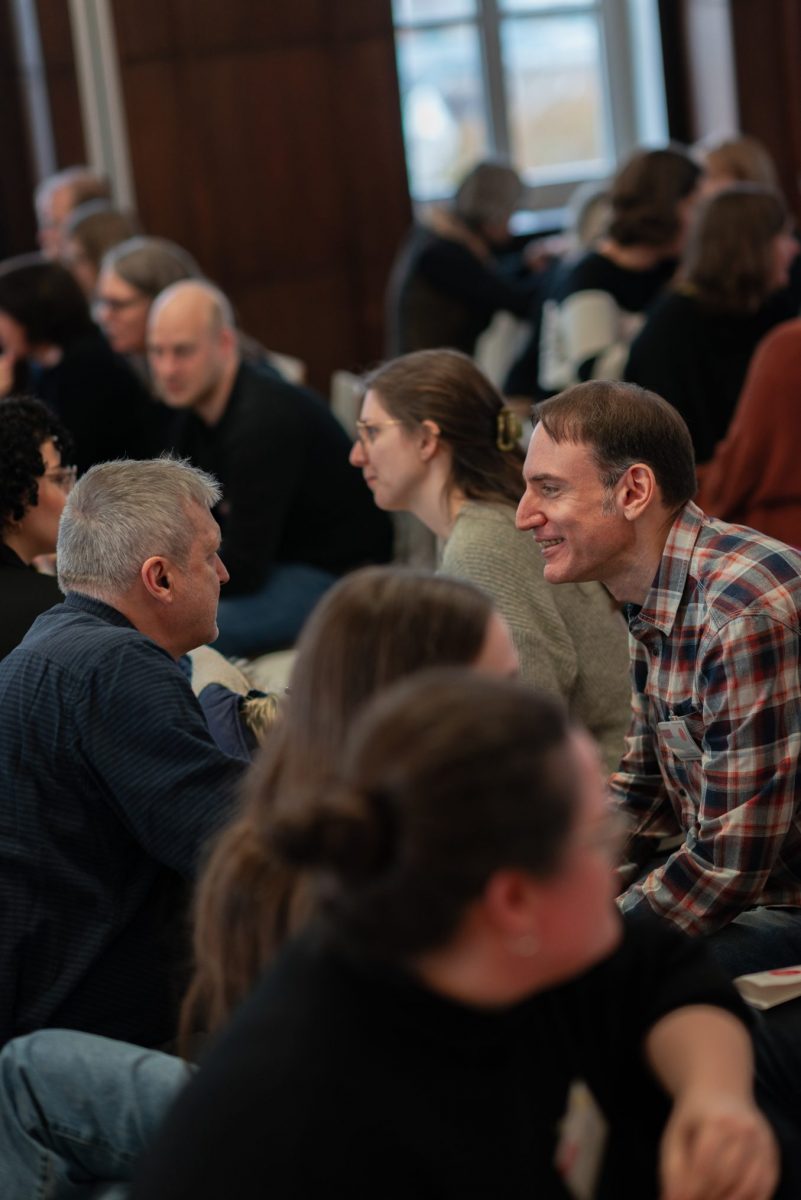
There was also an opportunity for interaction at the end of the event. Photo credits: Stark & Shakupa/TU Braunschweig
Madita Olvermann, the main organiser, reported afterwards how immediately this energy became apparent: “As soon as the first call for discussion was made, the participants turned to each other enthusiastically – so quickly that I couldn’t even finish my introduction to the programme item. We are very grateful to all the participants, because they made the day a complete success.”
Feedback from participants emphasises how accessible the event was and how much energy was palpable:
“The commitment of all those involved deserves special mention: speakers gave inspiring presentations, participants from a wide range of Braunschweig administrations contributed valuable experiences, and the entire team ensured that everything ran smoothly. This made the gathering not only an informative event, but also an inspiring meeting place for promoting networking within the Braunschweig administration.” (Nina Hommola, Project and Institute Controlling Officer at the Institute for Particle Technology)
Listening windows – a focused framework for in-depth exchange
During the event, participants were given three so-called ‘listening windows’ – thematic mini-sessions that served as spaces for inspiration.
The listening windows focused on methods, structures and framework conditions, as well as attitudes and resistance to change in the administration. This enabled participants to engage in targeted exchanges and share their own experiences.
Sarah Zerwas, who enjoys incorporating her creativity into event planning, is delighted with the positive response to the pilot:
“In addition to the positive feedback from a direct survey after the event, many participants also approached us personally to tell us how much they valued the networking, which makes me really happy. The power lies in tackling issues together. The repeated requests for a follow-up also show me that the target group is very interested. Some said goodbye with a direct ’See you next time!’. We are now looking at how we can continue with this. In any case, I am very keen to stay on board.”
Due to the strong response, the project team is currently examining how the format can be continued in 2026 – as a follow-up, further development or with a focus on content.
Text: Madita Olvermann